 By Sanjeev Sinha
 If you’ve ever eaten rice grown in Madurai’s fertile fields or wondered why South Tamil Nadu’s semi-arid belt supports such thriving agriculture, Vaigai Dam is a big part of that answer. This is the dam that turned a river mentioned in ancient Tamil poetry into a genuinely modern engineering achievement, feeding six districts with water while also becoming one of Theni’s most-loved family picnic spots. Here’s everything worth knowing before you plan your visit.
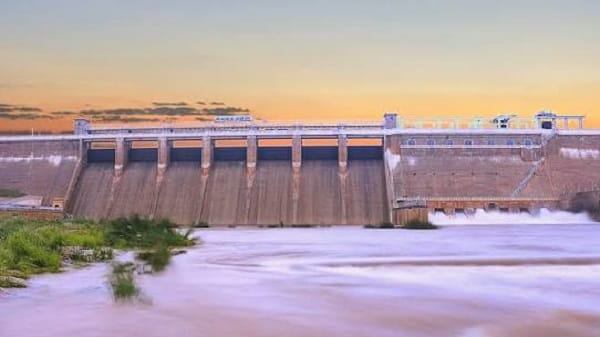
Vaigai Dam Quick Overview
| Detail | Information |
| River | Vaigai River |
| Location | Near Andipatti, Theni district, Tamil Nadu |
| Distance from Andipatti | Around 7–9 km |
| Distance from Theni | About 14–25 km |
| Distance from Madurai | Roughly 65–70 km |
| Nearest Railway Station | Andipatti, about 10 km away |
| Nearest Airport | Madurai Airport, around 80 km away |
| Inaugurated | 21 January 1959, by Chief Minister K. Kamaraj |
| Dam Type | Concrete gravity dam |
| Dam Height | 111 feet |
| Dam Length | Around 1,067–1,700 metres (sources vary) |
| Storage Capacity | Around 6,143 million cubic feet |
| Power Generation | 6 MW hydroelectric station |
| Irrigation Coverage | Over 1.36 lakh acres across six districts |
| Visiting Hours | Generally 6:00 AM to 6:00 PM |
| Entry Fee | Around ₹20 per person |
| Best Time to Visit | October to February |
Where Vaigai Dam Is Located
Vaigai Dam sits near Andipatti in Theni district, roughly 65 to 70 kilometres from Madurai city, tucked into the lower slopes of the Western Ghats within the Varushanad Valley. Unlike many dams built within narrow mountain gorges, Vaigai sits across relatively open valley terrain, which is exactly why engineers chose a concrete gravity design here, relying purely on the structure’s own weight to hold back the river rather than depending on surrounding hills for structural support.
Andipatti, the closest town at around 7 to 9 kilometres away, offers the most convenient base for visiting, with regular taxis and buses connecting it to the dam. Andipatti Railway Station provides the nearest rail link, while Madurai Airport, roughly 80 kilometres away, connects the region to major Indian cities including Chennai, Mumbai, Delhi, and Hyderabad.
The River Behind This Regional Lifeline
The dam is built across the Vaigai River, a waterway that genuinely holds a special place in Tamil culture and literature. It’s mentioned across ancient Tamil texts including the Silappatikaram and Thiruvilayadal Puranam, and local legend connects it to Lord Shiva and the celestial wedding of Meenakshi and Sundareswarar, still celebrated today through Madurai’s Chithirai Thiruvizha festival.
The river originates in the Western Ghats’ Varushanad Hills and flows roughly 258 kilometres eastward before draining into the Palk Strait near Ramanathapuram. What genuinely boosts Vaigai’s water supply, though, is its connection to the Periyar river system in Kerala — water from the upstream Mullaperiyar Dam is diverted through tunnels cut across the Western Ghats, supplementing the Vaigai’s natural flow considerably beyond what local rainfall alone would provide.
A History Tied to Post-Independence Agricultural Planning
Construction on Vaigai Dam is most consistently linked to the late 1940s and 1950s, with the dam finally completed and formally inaugurated on 21 January 1959 by then Chief Minister K. Kamaraj. This places it firmly within India’s broader post-independence push to secure water infrastructure for agriculture, particularly in regions like southern Tamil Nadu that had historically struggled with erratic rainfall.
The project’s placement within the Periyar-Vaigai irrigation system meant it wasn’t conceived in isolation — it was designed specifically to work alongside the existing Mullaperiyar diversion, maximising water availability for a region that desperately needed it. Since its inauguration, Vaigai Dam has become something of a household name in Tamil Nadu, regularly featured in regional news whenever water-level updates matter for the upcoming farming season.
What Vaigai Dam Does for Six Districts
The dam’s canal network, including the Periyar Main Canal and the 58th Canal Scheme, irrigates over 1.36 lakh acres of farmland across Theni, Dindigul, Madurai, Sivaganga, Virudhunagar, and Ramanathapuram districts. This water has genuinely transformed what was once a semi-arid agricultural belt into productive farmland capable of supporting multiple crop cycles annually rather than relying purely on unpredictable monsoon patterns.
Beyond irrigation, the dam supplies drinking water to Madurai, Theni, Andipatti, and Ramanathapuram, addressing both urban and rural water needs in a region genuinely prone to scarcity. A small hydroelectric station adds 6 MW of power generation to the mix, and more recently, over 1,000 kilometres of canals have been lined with concrete to reduce seepage losses and improve overall water delivery efficiency across the system.
What Makes This Dam Genuinely Interesting
Here’s a detail that surprises most visitors — Vaigai Dam was reportedly the first dam in India to install a sodium vapour lamp visible from as far as 15 kilometres away, a genuinely unusual claim to fame for a piece of irrigation infrastructure. The dam is illuminated every Sunday evening, a deliberate effort by the Tamil Nadu Water Resources Department to make the site more visually appealing for tourists and locals alike.
Every year on 14 January, the dam hosts the Vaigai Peruvizha, a grand festival marking the Pongal harvest season, complete with boat races, cultural programs, fireworks, and exhibitions. This event draws lakhs of visitors from across the state, turning what’s normally a quiet infrastructure site into a genuinely vibrant celebration for a few days each year.
What There Is to See and Do
Climbing to the top of the dam, via roughly 100 steps, rewards visitors with sweeping views over the reservoir and the Western Ghats backdrop, a climb that’s manageable for most fitness levels and consistently mentioned as worth the effort. Little Vrindavan, a well-maintained garden near the dam, features curated lawns, blooming flowers, and a musical dancing fountain that runs between 6:00 AM and 8:00 PM on weekends and public holidays.
A children’s play area with a toy train, swings, and slides adds family appeal, though some visitors have noted that certain amusement fixtures could use better upkeep. Boating is available on the reservoir when water levels allow, and watching the dam’s crest gates open during periods of high water is considered a rare but genuinely memorable sight for anyone lucky enough to time their visit right.
Timings and Entry Details
Vaigai Dam is generally open daily from 6:00 AM to 6:00 PM, with entry priced modestly at around ₹20 per person. Given the site’s popularity, especially during weekends and the Pongal festival period, it’s worth planning an earlier visit if you’d prefer a quieter experience away from larger crowds.
Best Time to Plan Your Visit
October through February offers the most comfortable weather for visiting, coinciding with the post-monsoon period when the reservoir typically holds a healthier water level, making the view from the dam crest considerably more impressive. Visiting around mid-January also lets you experience the Vaigai Peruvizha festival, offering a genuinely different, more festive dimension to your trip if the timing works out.
Frequently Asked Questions
Q: Why is Vaigai Dam considered significant beyond its irrigation role?
A: It’s linked to India’s first sodium vapour lamp installation on a dam, visible from up to 15 kilometres away, and it hosts the Vaigai Peruvizha, a major Pongal festival drawing lakhs of visitors annually, giving it cultural significance well beyond its function as irrigation infrastructure.
Q: Is it worth combining a Vaigai Dam visit with other nearby attractions?
A: Yes, genuinely so. Kumbakarai Falls, Meghamalai (High Wavy Mountains), and Kodaikanal are all within reasonable driving distance, making it easy to build a fuller day or weekend itinerary around a Theni district visit.
Q: How difficult is the climb to the top of the dam?
A: It involves roughly 100 steps, which is manageable for most visitors including older family members, though it’s worth wearing comfortable, non-slippery footwear given the height and exposure at the top.
Q: Is boating always available at Vaigai Dam?
A: Boating depends on current water levels in the reservoir, so it’s worth checking availability locally before planning your visit specifically around this activity, particularly if you’re travelling during a drier stretch of the year.