 By Sanjeev Sinha
 Ask any Puneite born before the 1970s about July 12, 1961, and you’ll likely hear a story passed down through the family — the day Panshet Dam broke and half of Pune woke up to floodwater in their streets. That single event reshaped how the city thinks about its water infrastructure even today. But Panshet isn’t just a cautionary tale anymore. It’s rebuilt itself into one of Pune’s favourite weekend escapes, known for water sports, waterfalls, and Sahyadri views that make the drive from the city genuinely worth it. Here’s everything you need to know before you plan your visit.
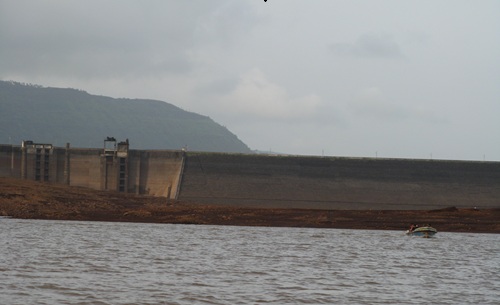
Quick Overview
| Detail | Information |
| River | Ambi River |
| Alternative Name | Tanaji Sagar Dam |
| Location | Panshet, Velhe taluka, Pune district, Maharashtra |
| Distance from Pune | Around 40–50 km |
| Nearest Railway Station | Pune Junction, roughly 25–40 km away |
| Nearest Airport | Pune International Airport, about 45–60 km away |
| Constructed | Late 1950s |
| Major Historical Event | Dam wall burst on 12 July 1961, causing severe flooding in Pune |
| Dam Height | 63.56 metres |
| Dam Length | 1,039 metres |
| Reservoir Name | Panshet Lake |
| Primary Purpose | Irrigation and drinking water supply to Pune city |
| Dam Visiting Hours | Generally 8:00 AM to 6:00 PM (some sources cite 9 or 10 AM starts) |
| Entry Fee | Around ₹20 per person for the dam itself; separate charges for water sports and Panshet Water Park |
| Best Time to Visit | Monsoon and early winter, roughly October to February |
Where Panshet Dam Is Located
Panshet Dam sits about 40 to 50 kilometres southwest of Pune, tucked into Velhe taluka amid the Sahyadri mountain range. It’s remote enough to feel like a genuine escape from the city, yet close enough to manage comfortably as a day trip.
Most visitors drive via Kothrud and the Rajaram Bridge route, continuing toward Khadakwasla before turning right at Donje Phata to reach Panshet. An alternate route runs through Warje Malwadi and Uttam Nagar, also passing Khadakwasla Dam along the way. If you’d rather skip driving, state transport buses run from Swargate in Pune to Panshet twice daily, though schedules are limited, so planning around the return timings matters if you’re relying on public transport.
The River Behind the Reservoir
Panshet Dam is built across the Ambi River, one of the smaller tributaries that eventually feeds into the larger Mutha River system supplying water to Pune. Along with the nearby Varasgaon Dam on the Mose River and Khadakwasla Dam further downstream, Panshet forms part of a coordinated network of reservoirs that together handle the bulk of Pune’s water supply.
This interconnected system is exactly why what happens at Panshet has historically had such a direct impact on the city below — water levels, releases, and, in 1961, catastrophic failure all had consequences that rippled straight through to Pune’s streets.
A History Marked by Disaster and Recovery
Construction on Panshet Dam wrapped up in the late 1950s, positioning it as a key piece of Pune’s expanding water infrastructure. But its very first year in operation ended in catastrophe. On 12 July 1961, barely months after the reservoir began filling, the dam wall gave way under pressure, sending a massive surge of water downstream that overwhelmed Khadakwasla Dam and flooded large parts of Pune city.
The disaster remains one of the most significant flood events in the city’s modern history, and older residents still recount stories of the destruction it caused. In the decades since, Panshet was rebuilt with reinforced engineering, and today it functions as a stable, reliable part of Pune’s water supply chain, alongside Khadakwasla and Varasgaon.
What’s worth appreciating is how completely the site has transformed in public perception. A place once associated with tragedy is now one of the region’s most popular recreational destinations, drawing weekend crowds from both Pune and Mumbai.
What Makes Panshet Worth the Drive
Panshet’s biggest draw is water sports. Panshet Lake, formed by the dam’s backwaters, offers boating, kayaking, banana boat rides, and water scooter rides, all set against a backdrop of lush Sahyadri hills streaked with seasonal waterfalls. Motor boat rides typically run around ₹50 to ₹100 depending on the trip length, with similar pricing for speedboats and water scooters.
Right next to the dam, Panshet Water Park has emerged as a major attraction in its own right, offering jet skiing, wind surfing, swimming pools, and a variety of rides suited for both adults and children. Entry to the water park runs separately from the dam itself, typically priced higher on weekends than weekdays, with rates adjusting further during peak afternoon hours.
Beyond water activities, the surrounding hills offer solid trekking and camping opportunities, and Sinhagad Fort, sitting at an altitude of over 1,300 metres, remains one of the most popular add-ons for visitors looking to combine history with a Panshet day trip. For those travelling with kids, a dedicated play area near the dam adds swings and slides to keep younger visitors entertained.
Timings and Entry Fees
The dam area itself is generally accessible between 8:00 AM and 6:00 PM, though some sources list slightly later opening times around 9 or 10 AM. Entry to the dam typically costs around ₹20 per person, a modest fee that covers access to the main viewing areas.
Panshet Water Park, being a separate attraction, operates on its own schedule, generally from 10:00 AM to 6:00 PM, with weekday tickets priced lower than weekend rates, and an additional price bump for entries after 3:00 PM on weekends. Water sports on the lake itself are charged individually based on activity type and trip duration, so it’s worth budgeting a bit extra beyond the basic entry fee if you’re planning to try multiple activities.
Practical Tips Before You Go
Network connectivity gets patchy as you approach Panshet, with some carriers performing noticeably worse than others in the area, so downloading offline maps in advance is a genuinely smart move. Medical facilities are limited within the immediate vicinity, so carrying a basic first aid kit is worth the extra bag space, especially if you’re planning water sports or trekking.
Footwear matters too, particularly during monsoon, when roads around the dam can get slippery. Carrying an extra change of clothes is a common recommendation among frequent visitors, given how easily a Panshet day trip turns into an impromptu water adventure.
Best Time to Plan Your Visit
Monsoon and the months immediately following it, roughly October through February, offer the best combination of full waterfalls, pleasant temperatures, and a lush green landscape across the surrounding hills. Since most of the waterfalls around Panshet are rain-fed, they largely dry up during summer, making the monsoon and post-monsoon window genuinely the best time to experience the area at its most scenic.
Frequently Asked Questions
Q1. Is it true that Panshet Dam once caused major flooding in Pune?
Yes, on 12 July 1961, the dam wall burst in its very first year of operation, sending floodwater downstream that overwhelmed Khadakwasla Dam and caused severe flooding across Pune city. It was rebuilt afterward and has functioned reliably since.
Q2. What’s the difference between Panshet Dam and Panshet Water Park?
Panshet Dam is the actual reservoir and dam structure with boating and lake-based water sports, while Panshet Water Park is a separate, purpose-built amusement park nearby offering swimming pools, rides, and additional water activities. They’re commonly visited together but have separate entry fees.
Q3. How much time should I plan for a Panshet Dam day trip?
One to two hours covers the dam and lake area comfortably if you’re just sightseeing, but if you’re adding water sports, the water park, or a Sinhagad Fort visit, a full day works better to avoid feeling rushed.
Q4. Is Panshet Dam easily accessible by public transport from Pune?
It’s accessible but limited, with state buses running from Swargate only twice a day in each direction. A private cab or self-drive is generally more convenient given the restricted bus schedule and the somewhat remote location.