 By Sanjeev Sinha
 If you’ve ever seen a photograph of thousands of pink flamingos wading through Maharashtra’s backwaters and wondered where on earth that was, the answer is almost certainly Ujjani Dam. This isn’t just another irrigation project quietly holding back a river — it’s the reason a drought-prone stretch of Solapur district grows sugarcane and wheat today instead of struggling through recurring famines, and it’s accidentally become one of India’s best birdwatching destinations in the process. Whether you’re planning a Pune-Solapur road trip or just curious about the dam behind Bhigwan’s famous flamingo sightings, here’s the full picture.
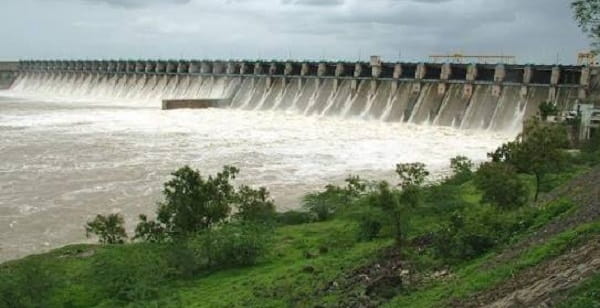
Ujjani Dam Quick Overview
| Detail | Information |
| Also Known As | Bhima Dam, Yashwant Sagar |
| River | Bhima River, a tributary of the Krishna River |
| Location | Near Ujjani village, Madha Taluk, Solapur district, Maharashtra |
| Approved | 20 August 1964 |
| Construction Period | 1977 to 1980 |
| Commissioned | June 1980 |
| Dam Type | Earth-fill cum masonry gravity dam |
| Dam Height | Around 56.4–63 metres |
| Dam Length | About 2,534 metres, with a 602-metre central spillway |
| Gross Storage Capacity | Around 117 TMC |
| Live Storage | About 54 TMC |
| Power Generation | 12 MW via a reversible pumped-storage unit |
| Irrigation Coverage | Around 500 sq. km, mainly in Solapur district |
| Status | Terminal and largest dam on the Bhima River, out of 22 built along it |
| Nearby Birding Town | Bhigwan, around 105 km from Pune |
| Best Time to Visit | November to February for birdwatching; monsoon for scenic views |
Where Ujjani Dam Is Located
Ujjani Dam sits near Ujjani village in Madha Taluk, Solapur district, in a part of Maharashtra that falls within the rain shadow of the Western Ghats. This geography matters enormously here — this region has historically struggled with erratic rainfall and water scarcity, which is exactly the problem this dam was built to solve.
The dam’s backwaters have given rise to Bhigwan, a small town on the Pune-Solapur highway roughly 105 kilometres from Pune, which has become genuinely famous in its own right as a birdwatching destination. Most visitors approach either from Pune or Solapur, with the highway route making it a manageable day trip or weekend outing from either city.
The River Behind This Massive Reservoir
The dam is built across the Bhima River, a significant tributary of the Krishna River, which itself ranks among Maharashtra’s two major river systems alongside the Godavari. The Bhima originates in the Bhimashankar hills of the Western Ghats and flows for roughly 725 kilometres before eventually meeting the Krishna near Raichur in Karnataka.
What makes Ujjani particularly significant within this river system is its position — it’s the terminal dam on the Bhima, meaning it’s the last of 22 dams built along the river’s course, and it’s also the largest in the entire valley, intercepting a catchment area of nearly 14,858 square kilometres.
A History Rooted in Fighting Drought
The Bhima Irrigation Project, which includes Ujjani Dam, received administrative approval from the Government of Maharashtra on 20 August 1964, with an estimated cost of ₹40.51 crore at the time. Actual construction ran from 1977 to 1980, and the dam was commissioned in June 1980, though the broader project’s roots trace back over a decade earlier.
The human cost of building a reservoir this size was substantial. Filling the dam to its full reservoir level submerged approximately 25,000 hectares of land, displacing over 4,000 families, primarily from farming and pastoral communities in Pune and Solapur districts. Nearly 10,000 people were directly affected by this phase of development, and resettlement efforts have faced ongoing criticism for how they handled the transition for communities whose livelihoods depended heavily on their original land and natural resources.
Despite this difficult history, the irrigation benefits that followed have been genuinely transformative for the region. Areas under the dam’s command have reportedly seen sorghum yields double and groundnut yields triple, largely credited to reliable irrigation replacing the previous dependence on unpredictable rainfall.
What Ujjani Dam Does Today
Beyond irrigation, the dam supports a 12 MW hydroelectric power station using a reversible pumped-storage unit positioned at the toe of the dam. It also plays an important flood-control role, particularly for Pandharpur, a major Hindu pilgrimage centre situated on the Bhima’s banks downstream, where flood risk has historically been a genuine concern during heavy monsoon years.
Fisheries have also flourished here, with the reservoir’s high phytoplankton density supporting an estimated 712 tonnes of fish production annually, a meaningful source of livelihood for local fishing communities around the reservoir.
It’s worth being upfront about one ongoing challenge, though. Water quality in the Ujjani reservoir has been affected by pollution, largely from industrial and urban effluents originating in Pune and other towns along the Bhima and its tributaries upstream. This is a genuine, documented issue rather than a minor footnote, and it’s worth being aware of if your visit involves any water-based activities.
Why Bhigwan Has Become a Birdwatcher’s Paradise
This is genuinely one of the most delightful accidental outcomes of a dam project anywhere in India. The backwaters created by Ujjani Dam near Bhigwan have turned into a major migratory bird habitat, often described as a “mini Bharatpur.” Hundreds of flamingos arrive here during winter, alongside painted storks, pheasant-tailed jacanas, moorhens, small pratincoles, and pied kingfishers, with over 100 species of flamingos and cormorants reportedly recorded in the area over time.
Boat rides through the shallow backwaters here have become a genuinely popular activity for wildlife photographers and casual birdwatchers alike, offering close-up views of flocks that can number in the hundreds during peak season.
What There Is to Do at Ujjani Dam
Beyond birdwatching at Bhigwan, the dam area itself offers boating and kayaking on the section of reservoir near the main structure, along with picnic packages that families and groups often arrange for a day out. One part of the reservoir is visible right from the roadside, where birds nest among rocks and trees, while the deeper water sections further along are where most boating activities take place.
The site does get considerably busier during monsoon season, when the reservoir fills dramatically and the surrounding landscape turns a vivid green, drawing larger crowds than the quieter winter birding season.
Best Time to Plan Your Visit
November through February is unquestionably the prime window if birdwatching, particularly flamingo sightings at Bhigwan, is your priority, since this coincides with peak migratory season. If scenic beauty and a fuller reservoir are what you’re after instead, monsoon season offers a dramatically different but equally rewarding experience, albeit with larger weekend crowds.
Frequently Asked Questions
Q: Is Bhigwan the same place as Ujjani Dam, or somewhere different?
A: Bhigwan is a separate town, but it sits directly on the backwaters created by Ujjani Dam, roughly 105 kilometres from Pune. Most flamingo and migratory bird sightings happen specifically around Bhigwan’s shallow backwater sections rather than at the main dam structure itself.
Q: Is it safe to swim or boat in the Ujjani reservoir given the reported pollution?
A: Water quality concerns here relate mainly to industrial and urban effluents from upstream areas, so it’s advisable to stick to boating rather than swimming, and to follow any posted safety guidelines or restricted zone markers at the site.
Q: What’s the best time to see flamingos at Bhigwan?
A: Winter months, roughly November through February, offer the best chance of spotting large flamingo flocks, since this aligns with peak migratory bird season at the reservoir’s backwaters.
Q: Can I visit both the main Ujjani Dam and Bhigwan’s birding spots in one trip?
A: Yes, they’re commonly combined into a single day trip or weekend visit, especially for travellers coming from Pune, since both sites sit along the same general stretch of the Bhima River and its backwaters.