 By Sanjeev Sinha
 Every time you switch on a light in Delhi, water your fields in Punjab, or read a headline about a state releasing water before monsoon flooding, there’s a dam somewhere doing the heavy lifting. India runs on these structures more than most people realise. If you’ve ever wondered which dams actually hold the record for height, and why that height even matters, this guide breaks it down clearly, without the usual confusion of conflicting numbers floating around online.
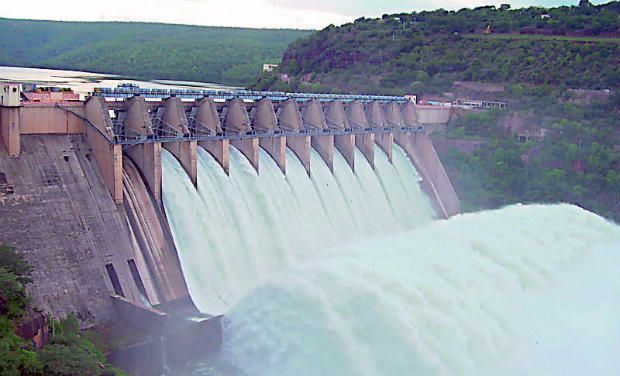
Quick Overview
| Rank | Dam | State | River | Approx. Height |
| 1 | Tehri Dam | Uttarakhand | Bhagirathi | 260.5 m |
| 2 | Bhakra Nangal Dam | Himachal Pradesh | Sutlej | 225–226 m |
| 3 | Idukki Arch Dam | Kerala | Periyar | 168–169 m |
| 4 | Sardar Sarovar Dam | Gujarat | Narmada | 163 m |
| 5 | Nagarjuna Sagar Dam | Telangana/Andhra Pradesh | Krishna | Around 124 m |
| 6 | Rihand Dam | Uttar Pradesh | Rihand | 91.5 m |
| 7 | Maithon Dam | Jharkhand | Barakar | 50 m |
| 8 | Tungabhadra Dam | Karnataka | Tungabhadra | 49.5 m |
| 9 | Hirakud Dam | Odisha | Mahanadi | Around 61 m (main dam) |
| 10 | Krishna Raja Sagara Dam | Karnataka | Cauvery | Around 40 m |
A quick note before diving in: rankings from rank 3 onward vary slightly depending on the source, since some measure height from the foundation while others measure from the riverbed, and some lists mix in dams still under construction. The top two positions, though, are consistently agreed upon everywhere.
Why Dam Height Actually Matters
Height isn’t just a bragging right. A taller dam typically means a larger reservoir behind it, which translates into more water storage for irrigation, more consistent hydroelectric output, and better flood control during heavy monsoon years. For a country like India, where rainfall is seasonal and unevenly distributed, these tall structures are what keep water flowing through dry months and keep the lights on when demand spikes.
Tehri Dam: India’s Tallest by a Clear Margin
Tehri Dam, built across the Bhagirathi River in Uttarakhand, stands at 260.5 metres, making it not just India’s tallest but one of the tallest dams anywhere in the world. Construction started in 1978 and took nearly three decades to complete, wrapping up in 2006. The project came at a real human cost, submerging the historic town of Old Tehri and requiring the creation of an entirely new town, New Tehri, for displaced residents.
Today, the dam powers a 1,000 MW hydroelectric project and plays a major role in supplying water to Delhi, Uttar Pradesh, and several other northern states. Public access to the reservoir area is generally open through the day, though direct access to the dam structure itself is restricted for security reasons.
Bhakra Nangal Dam: The Second-Tallest Giant
At around 225 to 226 metres, Bhakra Nangal comes in second, built on the Sutlej River right at the border of Himachal Pradesh and Punjab. Construction ran from 1948 to 1963, and Prime Minister Nehru famously described it as “the temple of resurgent India” during its dedication.
This dam irrigates close to 10 million acres of farmland across Punjab, Haryana, and Rajasthan, and its reservoir, Gobind Sagar, remains one of the largest in the country by storage capacity. Like several dams on this list, close access to the dam itself has historically faced security restrictions, though the surrounding lake and viewpoints attract steady tourist footfall.
Idukki Arch Dam: A Different Kind of Engineering
Idukki, standing at roughly 168 to 169 metres in Kerala, earns its spot not just for height but for how it was built. It’s Asia’s first double-curvature arch dam, meaning it uses the natural strength of the surrounding Kuravan and Kurathi hills to hold back water, rather than depending purely on the dam’s own concrete mass.
Completed in 1975 across the Periyar River, Idukki powers a significant share of Kerala’s electricity supply. Visitor access has fluctuated considerably over the years, sometimes limited to specific festival windows and other times opened for extended months, so checking current status before visiting is genuinely necessary.
Sardar Sarovar Dam: Where Engineering Meets Politics
Built across the Narmada River in Gujarat at approximately 163 metres, Sardar Sarovar is one of India’s most discussed infrastructure projects, both for its scale and its long, often contentious history. It supplies irrigation and drinking water across Gujarat, Madhya Pradesh, Maharashtra, and Rajasthan, benefiting tens of millions of people.
It’s also home to the Statue of Unity, which has turned this dam into one of the more tourist-accessible entries on this list, complete with boat rides, a light and sound show, and organised viewing platforms.
Nagarjuna Sagar Dam: A Masonry Marvel
Nagarjuna Sagar, built across the Krishna River between Telangana and Andhra Pradesh, stands at around 124 metres and holds the distinction of being one of the tallest masonry dams in the world. Completed in 1967, it’s a crucial source of irrigation for both states and remains a popular tourist stop, particularly for its scenic surroundings near the Nallamala Hills.
Rihand Dam: Powering Uttar Pradesh
At 91.5 metres, Rihand Dam sits on the Rihand River in Uttar Pradesh and creates Asia’s largest artificial lake by surface area, known as Govind Ballabh Pant Sagar. It’s primarily used for hydroelectric power generation and irrigation, and its scenic reservoir has made it a growing draw for weekend travellers from nearby cities.
Maithon, Tungabhadra, Hirakud, and Krishna Raja Sagara
Rounding out the list, these four dams sit closer together in height but each carries its own regional importance. Maithon Dam in Jharkhand, standing around 50 metres, is notable for housing South East Asia’s first underground hydroelectric power station. Tungabhadra Dam in Karnataka, at about 49.5 metres, supports irrigation across both Karnataka and Andhra Pradesh.
Hirakud Dam in Odisha, while not the tallest on this list at around 61 metres for its main structure, holds a different record entirely — it’s the longest earthen dam in the world when combined with its flanking dykes. Krishna Raja Sagara Dam in Karnataka, at roughly 40 metres, is one of India’s oldest large dams still in active use, dating back to 1932, and remains famous for the adjoining Brindavan Gardens.
A Note on Upcoming Contenders
It’s worth knowing that Tehri’s top position may not hold forever. Projects like the Dibang Multipurpose Project in Arunachal Pradesh, and other proposed dams in the Northeast, have been discussed with planned heights that could eventually surpass Tehri once completed. These remain under construction or in planning stages, so for now, Tehri retains its title as India’s tallest operational dam.
Frequently Asked Questions
Q1. Is dam height the same as dam length or reservoir capacity?
No, these are entirely different measurements. Height refers to how tall the dam structure is from its foundation, while length refers to how far it stretches horizontally, and capacity refers to how much water its reservoir can hold. A dam can rank highly in one category without leading in the others, which is why Hirakud is the longest dam despite not being among the tallest.
Q2. Can tourists visit all of these dams freely?
Not always. Several dams on this list, including Tehri, Bhakra Nangal, and Idukki, have faced security-related access restrictions at different points, sometimes allowing only seasonal or festival-period visits. It’s best to check current visitor policies before planning a trip specifically around dam access.
Q3. Why do different sources give slightly different height figures for the same dam?
This usually comes down to measurement method, whether height is calculated from the foundation, the deepest riverbed point, or the original ground level before construction. These technical differences can create small variations of a few metres across different sources.
Q4. Will Tehri Dam always remain India’s tallest?
Not necessarily. Under-construction and proposed projects, particularly in Arunachal Pradesh, have been designed with greater planned heights than Tehri. Until any of these are actually completed, though, Tehri holds the record as India’s tallest operational dam.