 By Sanjeev Sinha
 Every time you turn on a tap in Kharghar, Nerul, Vashi, or anywhere else in Navi Mumbai and clean water flows out, you have a quiet reservoir tucked into the Raigad hills to thank for it. Morbe Dam doesn’t get the fanfare of Mumbai’s bigger landmarks, but it’s genuinely one of the more unusual water stories in India — a dam owned and run not by a state irrigation department, but by a city’s own municipal corporation. If you’re curious about where Navi Mumbai’s water actually comes from, or planning a drive through this part of Raigad, here’s what you need to know.
Quick Overview
| Detail | Information |
| River | Dhavari River (also referred to as a tributary of the Patalganga in some sources) |
| Location | Near Khalapur, Raigad district, Maharashtra |
| Distance from Navi Mumbai | Around 27–40 km |
| Nearest Railway Station | Chowk railway station, roughly 10 minutes away |
| Construction Started | 1999 |
| Completed | 2006 |
| Dam Type | Gravity dam |
| Built By | Water Supply and Sanitation Department, Government of Maharashtra |
| Currently Owned By | Navi Mumbai Municipal Corporation (NMMC), since 2002 |
| Dam Height | Around 59.1 metres |
| Dam Length | About 3,420 metres |
| Population Displaced | Around 2,897 people across 11 villages |
| Primary Purpose | Drinking water supply to Navi Mumbai and Nhava Sheva |
| Population Served | Over 12–15 lakh residents |
| Public Access | Restricted; not officially open for general tourism or trekking |
Where Morbe Dam Is Located
Morbe Dam sits near Khalapur in Raigad district, roughly 27 to 40 kilometres from Navi Mumbai depending on your exact starting point. Some sources place it more specifically within Karjat taluka, close to Khalapur, reflecting its position right at the boundary of these two talukas within Raigad district.
Several routes lead here, though none are particularly straightforward given the dam’s semi-remote setting. One option takes the Mumbai-Pune Expressway and exits at Lodhivali Pass before continuing toward Morbe. Another follows the old Mumbai-Pune highway through Panvel, passing small villages before a left turn leads to the dam. For those preferring rail, Chowk railway station offers the most convenient access, sitting just about 10 minutes from the dam by road.
The River Behind Navi Mumbai’s Water Supply
The dam is built across the Dhavari River, a relatively lesser-known waterway that plays an outsized role given what it now supports. Some sources describe it as a tributary feeding into the Patalganga river system, adding it to the broader network of rivers draining this part of Raigad district into the sea.
What makes this river genuinely significant is simply its role as Navi Mumbai’s primary drinking water source. Without the Dhavari’s monsoon-fed catchment filling this reservoir annually, the water situation for a city housing well over a million residents would look considerably more precarious.
A History Shaped by Municipal Ownership
Construction on Morbe Dam began in 1999, undertaken by the Water Supply and Sanitation Department of the Government of Maharashtra, with the original goal of meeting Panvel’s water needs. The project was completed in 2006, though a significant administrative shift happened earlier, in 2002, when the government permitted the Navi Mumbai Municipal Corporation to take over ownership and management of the dam.
This arrangement makes Morbe genuinely rare in India — it’s one of the very few examples where a municipal corporation, rather than a state irrigation department or a dedicated water board, directly owns and operates a major dam. That unique setup gives NMMC a level of control over its own water destiny that most Indian cities simply don’t have, insulating Navi Mumbai from some of the interdepartmental coordination challenges that affect water supply elsewhere.
The Human Cost Behind This Water Security
It’s worth being honest about what building this dam actually required. According to the 1981 census, approximately 2,897 people living across 11 villages were affected by the project, with families, farmers, fishermen, and tribal communities who had lived along the Dhavari for generations being displaced to make way for the reservoir. While many were compensated and relocated, the broader emotional and social cost of that displacement is harder to quantify and rarely gets mentioned in typical descriptions of the dam’s success story.
Today, that trade-off has translated into a genuinely significant benefit — Navi Mumbai residents get clean, potable water largely free from the industrial pollution affecting rivers like the Mithi or Ulhas, a contrast that becomes obvious to anyone who’s seen both water sources firsthand.
Why You Can’t Just Visit Morbe Dam Like a Regular Tourist Spot
This is genuinely important to understand before planning a trip here. Morbe Dam is not officially open to the general public for tourism or trekking. Access is strictly controlled by NMMC and CIDCO specifically to protect the city’s primary drinking water source from pollution and security risks. Several visitor accounts describe the area as quiet, scenic, and worth viewing from a distance, but explicitly note it lacks the infrastructure for a typical family picnic, and that visiting closer to the dam structure may require permission that isn’t readily granted to casual tourists.
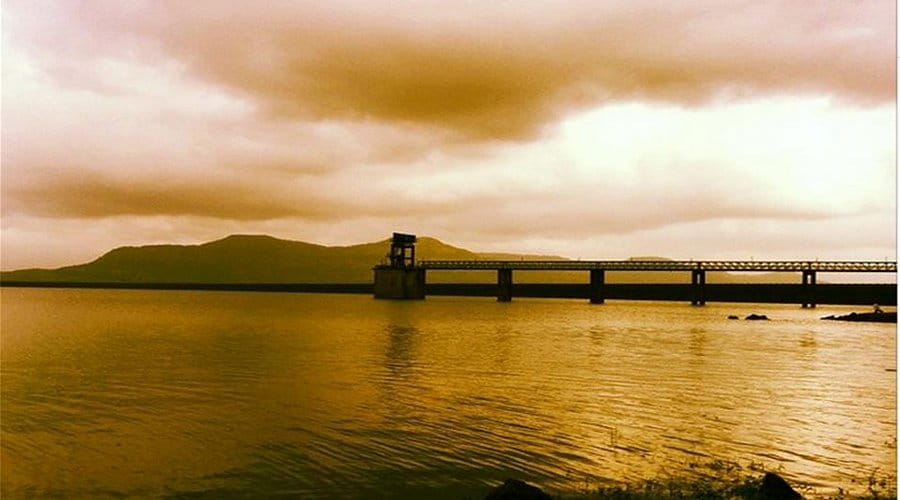
If you do make the drive, the experience tends to be more about the scenic approach and distant views of the reservoir surrounded by hills, rather than direct access to the dam itself. Some visitors have managed closer views, particularly around the water release period during monsoon, when the dam’s gates open with a genuinely dramatic release of excess water, but this isn’t guaranteed or something you should plan a trip specifically around without confirming current access rules.
What There Is to See From a Distance
The reservoir itself is genuinely striking, with surrounding hills framing a large, clear lake that reflects different colours depending on the time of day and angle of sunlight. Compared to some of Mumbai’s more visibly polluted water bodies, the clarity of Morbe’s water is something several visitors have specifically remarked on, finding it reassuring given its role in the city’s supply chain.
Nearby attractions in the wider Raigad area, including Irshalgad Fort, Prabal Fort, and various sunset viewpoints along the Matheran hills, offer more substantial options if you’re planning a fuller day trip through this region rather than centring your visit purely around Morbe Dam.
Timings and Practical Details
Given the restricted nature of public access, there isn’t a formal, published visiting-hours schedule for tourists in the way you’d find at a typical dam-tourism site. Visitors describing their experience have generally approached during daylight hours, and it’s advisable to check current access conditions locally before making the trip, since rules around proximity to the dam structure can vary based on security considerations at any given time.
Best Time to Visit the Area
Post-monsoon, particularly right after a week of sustained rainfall, is considered the best time to view the dam from accessible vantage points, since this is when water levels and flow are at their most dramatic. Winter months also offer more comfortable weather for the drive and any time spent taking in the scenery from a distance.
Frequently Asked Questions
Q1. Can I visit Morbe Dam for a family picnic like other dams in Maharashtra?
Not really. Unlike many recreational dams, Morbe Dam has restricted public access since it’s Navi Mumbai’s primary drinking water source, and it lacks the infrastructure typically found at picnic-friendly dam sites. It’s better approached as a scenic drive-by destination rather than a full-day outing.
Q2. Why is Morbe Dam considered unusual compared to other dams in India?
It’s one of the few dams in the country directly owned and managed by a municipal corporation rather than a state irrigation department, giving Navi Mumbai’s civic body direct control over its own water supply infrastructure.
Q3. How many people were displaced when Morbe Dam was built?
According to the 1981 census, around 2,897 people across 11 villages were affected and displaced during the dam’s construction, a significant human cost behind the water security it now provides to Navi Mumbai.
Q4. What’s the best way to see Morbe Dam if public access is restricted?
Viewing the reservoir from a distance along the approach roads, particularly post-monsoon when water levels are high, is the most realistic option. It’s advisable to check current access rules locally before planning your visit, since proximity restrictions can vary.