 By Sanjeev Sinha
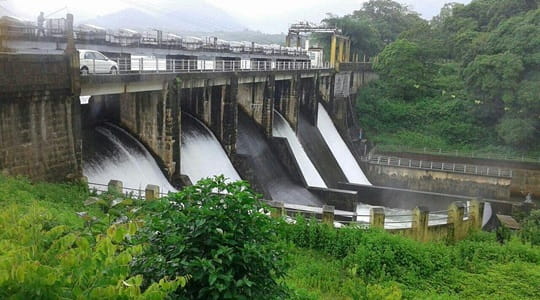
 If you’re a Palakkad local looking for a genuine escape without driving all the way to Nelliyampathy or Silent Valley, Mangalam Dam quietly does the job. This small irrigation dam sits tucked inside dense forest, home to wild elephants and deer, with a long reservoir-side walkway that’s become a favourite spot for morning yoga, family picnics, and weekend birdwatching. Here’s everything worth knowing before you plan your visit.
| Detail | Information |
| River | Cherukunnapuzha River, a tributary of the Mangalam River |
| Location | Alathur taluk, Palakkad district, Kerala |
| Distance from Palakkad Town | Around 41–50 km |
| Distance from Vadakkanchery | Around 11–16 km |
| Nearest Highway | Thrissur-Palakkad National Highway (NH544) |
| Construction Completed | 1956 |
| Canal System Completed | 1966 |
| Dam Type | Earthen dam |
| Storage Capacity | 25.34 million cubic feet (about 718,000 cubic metres) |
| Irrigation Coverage | Around 3,440–3,639 hectares across 6 panchayats |
| Wildlife Present | Deer, elephants, and a variety of birds |
| Entry Fee | Around ₹10 for adults, ₹5 for children |
| Best Time to Visit | Post-monsoon and winter for a fuller reservoir |
Where Mangalam Dam Is Located
Mangalam Dam sits in Alathur taluk, roughly 41 to 50 kilometres from Palakkad town, and about 11 to 16 kilometres from Vadakkanchery along the Thrissur-Palakkad National Highway. This positioning makes it a genuinely convenient stop if you’re already travelling between these two cities rather than requiring a dedicated detour.
Buses run all the way to the entrance gate, making the dam accessible even without a private vehicle, though private cars are only permitted up to a parking spot roughly half a kilometre before the entrance. From there, it’s a short walk in, adding a small buffer of quiet before you reach the reservoir itself.
The River Behind This Forest Reservoir
The dam is built across the Cherukunnapuzha River, which feeds into the larger Mangalam River, the waterway that gives this entire project its name. This relatively modest river system carries genuine importance for the surrounding Alathur taluk, supporting irrigation and drinking water needs across farmland that would otherwise depend far more heavily on unpredictable monsoon rainfall.
The area around the dam is genuinely rich in agriculture beyond just paddy fields, with rubber, pepper, coffee, and tapioca plantations dotting the landscape, giving the region a noticeably different character from Kerala’s more coastal or lowland agricultural belts.
A History Rooted in Practical Irrigation Needs
Construction of Mangalam Dam was completed in 1956, with the broader canal system for irrigation finished and opened a decade later, in 1966. This staggered timeline is fairly common for Kerala’s smaller irrigation dams — the physical structure comes first, followed by the more extensive infrastructure needed to distribute that water effectively.
Once fully operational, the project’s canal network, split between right and left bank systems, began supplying water to six panchayats: Vadakkenchery, Vandazhy, Kizhakkenchery, Kannambra, Pudukkode, and Kavassery. This irrigation supports paddy and other crops across roughly 3,440 to 3,639 hectares depending on the source, generating genuinely significant annual agricultural revenue for farmers in this stretch of Palakkad district.
Life Around the Reservoir
What makes Mangalam Dam genuinely distinctive is how deeply it sits within forest territory. The reservoir is fringed by thick woodland that’s home to wild elephants and deer, alongside a solid variety of resident and migratory birds. Visitors regularly report spotting wildlife directly from the reservoir’s edges, a genuinely rare experience compared to more developed, heavily commercialised dam sites elsewhere in Kerala.
A major landslide occurred in 2007 near Kavilupara, close to Odenthode in the wider Mangalam area, during a period of severe flooding, a reminder that this forested, hilly terrain carries genuine natural risks during extreme weather, even though the dam site itself remains a popular and generally safe destination.
What There Is to See and Do at Mangalam Dam
A long walkway runs along the reservoir’s edge, offering genuinely scenic views across the water toward the surrounding hills and dense canopy. This stretch has become popular with visitors looking for a quiet spot to do yoga or meditate, given how calm and undisturbed the setting feels compared to busier tourist destinations.
Boating is available on the reservoir for those wanting a closer look at the water and forest line, and a dedicated children’s play area near the entrance makes this a genuinely workable option for families rather than just couples seeking solitude. A watchtower on-site offers an elevated vantage point, useful both for photography and for a better chance at spotting wildlife moving through the tree line.
Given the surrounding plantations, it’s also worth simply taking in the agricultural scenery, since the mix of rubber, pepper, and coffee cultivation gives this area a distinctly different feel from Kerala’s coastal tourist circuit.
A Few Honest Practical Notes
It’s worth setting realistic expectations here. Several visitor reviews mention maintenance issues and, at times, an unpleasant smell from the dam water, so this isn’t a heavily polished, resort-style destination. What it offers instead is genuine natural beauty and a peaceful, less-commercialised atmosphere, which is exactly why many visitors return despite these minor drawbacks.
It’s also worth keeping the area clean and avoiding plastics during your visit, both out of respect for the surrounding forest ecosystem and because the site’s upkeep depends partly on visitor behaviour.
Timings and Entry Details
Mangalam Dam is generally accessible during daytime hours, with entry priced at around ₹10 for adults and ₹5 for children, plus a small additional charge for vehicle parking. Given the straightforward entry process and ample parking space, most visitors find this a genuinely easy half-day or one-day trip to plan without much advance preparation.
Best Time to Plan Your Visit
Post-monsoon and winter months offer the most rewarding experience, when the reservoir is fuller and the surrounding forest looks genuinely vibrant and green. Visiting during the rainy season specifically brings the water body to its most visually striking state, though it’s worth being mindful of slippery walkways and the general caution that comes with monsoon travel in hilly, forested terrain.
Frequently Asked Questions
Q1. Is Mangalam Dam a good spot for wildlife sightings
Yes, genuinely so. The surrounding forest is home to elephants, deer, and a good variety of birds, and visitors regularly report spotting wildlife directly from the reservoir’s edges, making it a rewarding stop for nature enthusiasts.
Q2. Is boating available at Mangalam Dam?
Yes, boating is offered on the reservoir, giving visitors a closer view of the water and surrounding forest line, though it’s worth checking current availability and pricing on arrival since this isn’t a heavily commercialised facility.
Q3. Why do some visitors mention a bad smell at the dam?
This has come up in visitor feedback and appears tied to occasional maintenance issues with the water body. It doesn’t affect every visit, and many visitors still find the surrounding natural beauty and quiet atmosphere well worth the trip despite this drawback.
Q4. Can I combine a Mangalam Dam visit with other nearby attractions?
Yes, easily. Pothundi Dam, Nelliyampathy Hills, and Chulliyar Dam are all within reasonable driving distance, making it simple to build a fuller day trip around this stretch of Palakkad district.