 By Sanjeev Sinha
 If you’ve ever taken the Bangalore-Mysore highway and wondered what lies just beyond those rocky Ramanagara hills, Kanva Dam is one genuinely rewarding answer. This isn’t a heavily commercialised tourist trap — it’s a nearly 80-year-old irrigation project that still quietly waters farmland across the region, while doubling as one of Bengaluru’s better weekend escapes for birdwatchers, campers, and anyone chasing a proper sunrise. Here’s what you actually need to know before making the drive.
Quick Overview
| Detail | Information |
| River | Kanva River, a tributary of the Kaveri (Cauvery) River |
| Location | Near Ramanagara, Ramanagara district, Karnataka |
| Distance from Bengaluru | Around 56–69 km |
| Distance from Ramanagara Town | About 8–10 km |
| Nearest Airport | Kempegowda International Airport, Bengaluru, around 109 km away |
| Built | 1946 |
| Designed With Advice From | Sir M. Visvesvaraya |
| Dam Type | Masonry check dam |
| Dam Length | Around 15 km along the reservoir |
| Reservoir Area | 776 hectares |
| Storage Capacity | Around 31.5 million cubic metres |
| Notable Engineering Feature | Five-hood siphon spillway, automatic flood control |
| Original Cost | Approximately ₹40 lakh |
| Irrigation Coverage | Around 2,100 hectares |
| Visiting Hours | Generally 5:00 AM to 7:00 PM |
| Entry Fee | Free |
| Best Time to Visit | Early morning for sunrise; October to February for weather |
Where Kanva Dam Is Located
Kanva Dam sits close to Ramanagara town, roughly 8 to 10 kilometres away, and about 56 to 69 kilometres from Bengaluru depending on your exact route. Getting here typically means taking the Bangalore-Mysore highway and then a diversion of roughly 7 to 8 kilometres to reach the dam site itself. That approach road is narrow and a little bumpy in stretches, but it rewards you with genuinely pleasant views of the surrounding hills along the way.
Kempegowda International Airport, around 109 kilometres away, remains the nearest air connection for visitors travelling from further afield, though most people treat this as a straightforward day trip from Bengaluru rather than a destination requiring flight planning.
The River Behind This Reservoir
The dam is built across the Kanva River, a tributary of the larger Kaveri River system that plays such a defining role across South India. The river, and the dam itself, take their name from Sage Kanva, a figure mentioned in the Ramayana who’s believed to have lived in caves within the surrounding mountains and forests, giving this otherwise functional irrigation project a genuinely interesting mythological backstory.
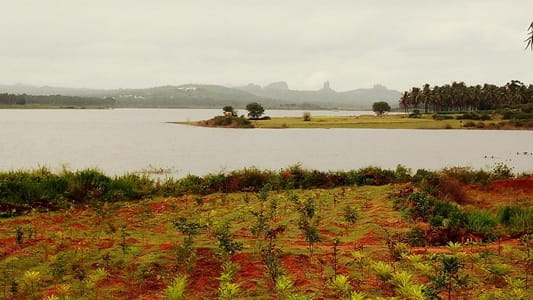
The reservoir created by the dam stretches across 776 hectares, forming what’s often described as a 15-kilometre-long water body that winds through the region’s characteristic granite hill landscape, the same rocky terrain that’s made nearby Ramanagara famous as a filming location and rock-climbing destination.
A History Rooted in Post-War Irrigation Planning
Kanva Dam was constructed in 1946 by the Mysore State Irrigation Department, built with technical advice from Sir M. Visvesvaraya, whose engineering legacy touches an enormous number of Karnataka’s water projects. The original project cost approximately ₹40 lakh, funding not just the dam itself but also a canal network designed to irrigate roughly 2,100 hectares of farmland, split between 1,400 hectares on the right bank and 700 hectares on the left.
This irrigation infrastructure immediately boosted agriculture in the region, particularly supporting ragi, coconut, and vegetable cultivation, crops that remain central to the local agrarian economy even today. What makes Kanva Dam genuinely notable from an engineering standpoint is its five-hood siphon spillway system, an automatic flood-control mechanism that was considered unique among dams built in Karnataka during this period, requiring no manual gate operation to manage excess water during heavy rainfall.
From Irrigation Project to Weekend Escape
Like many of India’s functional irrigation dams, Kanva’s transformation into a tourist destination happened gradually and organically. What started purely as agricultural infrastructure has become genuinely popular among Bengaluru residents looking for a low-key weekend outing, drawn by the reservoir’s scenic setting amid wooded hills and its reputation as a solid birdwatching spot.
A fisheries training and research centre near the dam adds another layer to the site’s purpose, established specifically to help local residents build sustainable livelihoods through fish farming, an initiative that continues supporting the local fishing community today.
What There Is to See and Do
Camping remains one of the most talked-about experiences at Kanva Reservoir, with visitors consistently highlighting the cool breeze, starlit nights, and moonlit views over the water as genuinely memorable. Sunrise here has developed something of a cult following among Bengaluru’s weekend travellers, with many specifically driving out in the early morning or camping overnight just to catch the light breaking over the hills and reservoir.
Birdwatching is a genuine highlight, given the reservoir’s surrounding forest cover and the sheer variety of species that gather here throughout the year. Fishing also happens regularly, largely by local fishermen using nets during dusk hours, and some visitors have been able to observe or even join in during these fishing windows with permission. A short distance from the main dam, the Purushottama Tirtha Gavi cave temple, an important pilgrimage site for Madhwa Brahmins housing a Hanuman statue, adds a spiritual dimension to the visit for those interested.
An Important Safety Note
This is worth being upfront about. While a few sources mention swimming and water sports as available activities, more detailed visitor accounts and on-the-ground reviews specifically warn against swimming, describing the water as unsafe. Given this conflicting information, the safer approach is to treat Kanva Reservoir purely as a sightseeing, photography, and birdwatching destination rather than planning any water-based activity involving direct contact with the reservoir.
Practical Realities Worth Knowing
Facilities at the dam site remain genuinely minimal. Multiple visitor reviews specifically note the absence of restaurants, cafes, or even proper restroom facilities, so it’s sensible to carry your own food and water rather than expecting to find anything on-site. Given this, most experienced visitors recommend keeping your visit to around 20 to 30 minutes to an hour if you’re simply sightseeing, though campers and birdwatchers naturally plan for a longer stay.
Timings and Entry Details
Kanva Dam is generally accessible from 5:00 AM to 7:00 PM, and entry is completely free, with no charges reported for visiting the dam or reservoir area. This makes it a genuinely low-cost outing beyond your fuel or transport expenses, though it’s worth planning your visit during daylight hours given the limited facilities and narrow approach road.
Best Time to Plan Your Visit
October through February offers the most comfortable weather for exploring the dam and surrounding hills, with cooler temperatures making both the drive and any walking around the reservoir genuinely pleasant. That said, sunrise remains worth chasing regardless of season, and many visitors specifically plan their trip around an early morning arrival to catch the best light and quietest atmosphere before the day’s heat sets in.
Frequently Asked Questions
Q1. Is swimming allowed at Kanva Reservoir?
Despite some sources mentioning water sports, more detailed visitor reviews specifically warn that the water is unsafe for swimming. It’s best to treat this as a sightseeing and photography destination rather than planning to swim.
Q2. Are food and restroom facilities available at Kanva Dam?
No, multiple visitor accounts confirm that eating options and toilets are essentially non-existent at the site, so carrying your own food and water is genuinely necessary rather than optional.
Q3. Is Kanva Dam worth visiting if I only have an hour or two?
Yes, it works well as a short scenic stop, particularly for photography and a quick walk along the reservoir. Most visitors recommend keeping the visit to 20 minutes to an hour unless you’re specifically planning to camp or spend extended time birdwatching.
Q4.What’s the best time of day to visit Kanva Reservoir?
Early morning, ideally around sunrise, offers the most rewarding experience, with cooler temperatures, better light for photography, and a noticeably quieter atmosphere compared to midday visits.