 By Sanjeev Sinha
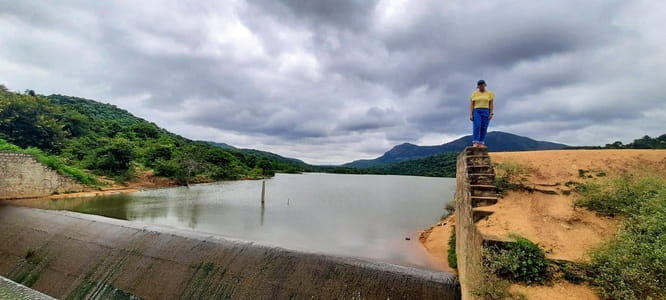
 If you have grown tired of the same old weekend spots around Bengaluru, Dandiganahalli Dam might just be the quiet escape you did not know you needed. Tucked away near Skandagiri and Nandi Hills, this small reservoir has slowly become a favourite for bikers, campers, and anyone chasing a bit of untouched nature without driving too far from the city. It is not flashy. It does not have ticket counters or food courts. What it does have is genuine calm, a scenic footbridge, and the kind of rawness that makes people want to keep it a secret. Here is everything you actually need to know before heading out.
| Detail | Information |
| Location | Dandiganahalli village, Chikkaballapura district, Karnataka |
| Distance from Bengaluru | Around 86–100 km |
| Distance from Nandi Hills | Around 42 km |
| Nearby Landmark | Skandagiri peak |
| Entry Fee | Free (small parking fee, around ₹50) |
| Facilities | Minimal — coconut water stall near the gate |
| Best Time to Visit | Winter and post-monsoon, early morning or evening |
| Popular Activities | Photography, camping, bird watching, short trekking |
Where Is Dandiganahalli Dam Located
Dandiganahalli Dam sits in Chikkaballapura district, not far from the base of Skandagiri and roughly 42 kilometres from Nandi Hills. Depending on which route you take out of Bengaluru, the drive covers somewhere between 86 and 100 kilometres, so it comfortably works as a day trip rather than a multi-day excursion.
The last stretch of road genuinely tests your patience. It winds through narrow village lanes, and reviewers consistently mention that the final five to six kilometres can be rough, muddy, or under construction depending on the season. Hatchbacks can usually make it, but a vehicle with reasonable ground clearance makes the journey far less stressful.
A Reservoir Without a Big Backstory
Unlike Karnataka’s larger irrigation projects, Dandiganahalli Dam does not come with a documented construction date, an engineer’s name, or a grand inauguration ceremony. It is a small, local reservoir that has mostly stayed off the radar of official tourism records, which is part of its appeal. Visitors often describe it as “unexplored” or “unknown,” and that reputation has held up largely because the Karnataka government has left it relatively untouched.
What little written history exists points to it functioning as a modest water body for the surrounding villages, supporting local needs rather than large-scale irrigation. Its charm today comes less from its engineering past and more from how nature has quietly reclaimed the space around it.
Why People Keep Coming Back
The dam’s biggest draw is its footbridge, a wooden or shutter-style walkway stretching about 15 to 20 metres over the water. It has turned into the unofficial photo spot for anyone visiting, especially at sunrise when the still water reflects the surrounding green hills.
Beyond the bridge, the area invites a slower kind of exploration. Visitors often wander into the nearby hills for an informal trek without any marked trail, simply following whatever path looks promising. Bird watching is genuinely rewarding here, and if you are lucky, peacocks make an appearance too. Some travellers even take a quick dip in the reservoir when water levels and weather cooperate, though this should always be done cautiously since there is no lifeguard or formal safety infrastructure.
Camping Under Open Skies
One detail that surprises first-time visitors is that the gate to the dam area often stays open all day, with no security or formal check-in process. This has made it a popular, if informal, camping spot. People have driven their cars right up to the water’s edge and set up tents for the night.
That said, this open-access setup comes with real caveats. There are no official facilities, no signage about permitted timings, and no one monitoring the area after dark. If you plan to camp, go prepared, carry your own supplies, and treat the space with the same respect you would want preserved for your next visit.
A Few Honest Drawbacks
Not everything about Dandiganahalli Dam is picture-perfect. Littering has become a recurring complaint, with empty plastic bottles and alcohol containers scattered near the water’s edge in several recent reviews. The lack of any government oversight, while part of the charm, also means there is nobody actively maintaining cleanliness or safety standards.
The approach road remains another sore point. Ongoing construction and unpredictable weather can turn the final stretch into a genuine test of driving patience, so it helps to check recent traveller updates before you set out, especially during or right after monsoon season.
Planning Your Visit
Food and water are essentially non-existent at the site itself, apart from a small coconut water stall near the entrance gate. It is worth packing your own snacks and plenty of drinking water, since the nearest proper eateries are back along the highway, well before you reach the village roads.
Winter months bring the most comfortable weather for both the drive and the time spent walking around the reservoir. Early mornings are ideal if photography or a peaceful, crowd-free experience matters to you, while evenings offer a softer light for a relaxed wind-down before heading back.
Conclusion
Dandiganahalli Dam is not going to impress anyone looking for polished tourist infrastructure, and that is precisely the point. It rewards travellers willing to put up with a bumpy final stretch of road in exchange for genuine quiet, a scenic footbridge, and hills that still feel wonderfully unbothered by tourism. Whether you are on a solo bike ride from Bengaluru or planning a low-key weekend camp with friends, this small reservoir near Chikkaballapura offers a refreshing pause from the usual checklist of hill stations and lakes. Just go prepared, tread lightly, and help keep this hidden gem exactly as unspoiled as you found it.
Frequently Asked Questions
Q1. Is Dandiganahalli Dam suitable for a family day trip?
Yes, it works well for families comfortable with a bit of an adventurous drive. The footbridge, open green spaces, and calm water make it enjoyable for a relaxed outing, though the rough last stretch of road and lack of facilities mean it suits families who do not mind a more rustic experience.
Q2. Can I camp overnight at Dandiganahalli Dam?
Yes, camping is possible since the gate typically remains open all day without formal security. However, there are no official facilities or safety monitoring, so campers should be self-sufficient and cautious, particularly after dark.
Q3. What type of vehicle do I need to reach the dam?
A hatchback can usually make it, but the final five to six kilometres often have rough or muddy patches, so a car with decent ground clearance makes the drive considerably smoother.
Q4. Is there an entry fee for Dandiganahalli Dam?
There is no formal entry fee, though a small parking charge, typically around ₹50, is sometimes collected informally by locals. Since this is not an official tourism site, rules and charges can vary.
Q5. What is the best time of day to visit for photography?
Early morning is widely recommended, both for the soft light on the water and for having the footbridge largely to yourself before other visitors arrive. Evenings also offer pleasant lighting for a quieter, wind-down visit.