 By Sanjeev Sinha
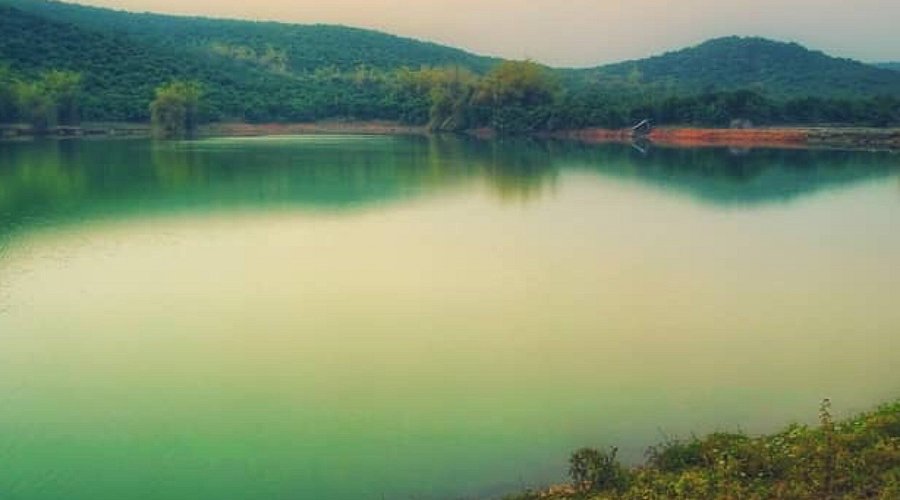
 If you live in Bhubaneswar and someone mentions escaping the city for a quick nature fix without a long drive, Deras Dam is usually the answer. Tucked inside the Chandaka Wildlife Sanctuary, this small irrigation reservoir has become one of the most popular weekend destinations for people in Odisha’s capital region — not because it’s a massive engineering marvel, but because it offers genuine forest scenery, elephant habitat, and peaceful water views just twenty kilometres from the city. If you’re planning a short getaway from Bhubaneswar or Cuttack, here’s everything worth knowing.
| Detail | Information |
| Location | Kantabada, Chandaka Forest Range, Khordha district, Odisha |
| Distance from Bhubaneswar | Around 20 km |
| Distance from Cuttack | About 30 km |
| Nearest Railway Station | Bhubaneswar, roughly 20–21 km away |
| Nearest Bus Stop | Baramunda, around 15–20 km away |
| Built | 1967 |
| Water Source | Primarily rainwater collected within the Chandaka forest catchment |
| Primary Purpose | Irrigation, and water supply for wildlife in the sanctuary |
| Located Within | Chandaka-Dampara Wildlife Sanctuary (also an elephant sanctuary) |
| Visiting Hours | Generally 10:00 AM to 5:00 PM |
| Entry Fee | Around ₹40 per person |
| Boating Cost | Around ₹900 for a 9-seater boat, 30-minute ride |
| Best Time to Visit | October to February; sunrise and sunset for views |
Where Deras Dam Is Located
Deras Dam sits near Kantabada village, within the Chandaka Forest Range of Khordha district, roughly 20 kilometres from Bhubaneswar and about 30 kilometres from Cuttack. Its location inside the Chandaka-Dampara Wildlife Sanctuary is exactly what gives this place its distinct character — you’re not just visiting a reservoir, you’re stepping into a genuine forest ecosystem that happens to have water at its centre.
Getting here is straightforward from Bhubaneswar, with local buses, Mo Buses, private taxis, and auto-rickshaws all making the roughly hour-long trip manageable. Since access falls under Forest Department control given the sanctuary boundary, the dam operates with somewhat stricter timing rules than a typical open tourist site.
The Water Source Behind This Reservoir
Unlike most dams profiled for their connection to a major named river, Deras Dam is primarily fed by rainwater collected within its forest catchment area inside Chandaka. There isn’t a single prominent river associated with this dam the way there is with, say, Jhumka Dam nearby, which draws from the Jhumka river, a tributary of the Kuakhai. Deras instead functions as a rain-fed reservoir, relying on the monsoon to fill up and sustain water levels through the drier months.
This water plays a dual role — supporting minor irrigation in the surrounding area, while also serving as a crucial water source for wildlife living within the Chandaka Wildlife Sanctuary, which is particularly significant given the sanctuary’s role as elephant habitat.
A History Rooted in Simple, Practical Purpose
Deras Dam was established in 1967 as a water reservoir, built primarily to support irrigation needs in the surrounding Khordha district. Unlike many of India’s larger dams that carry decades-long construction sagas or major political inaugurations, Deras has a comparatively modest, functional origin story — it was built to solve a local water need, not to serve as a grand engineering statement.
Over time, though, its setting within the Chandaka forest transformed it into something considerably more than a simple irrigation structure. The combination of hills, dense greenery, and a working wildlife sanctuary surrounding the reservoir has made it one of the more scenic short getaways available to residents of Bhubaneswar and Cuttack.
Why Deras Dam Sits Inside an Elephant Sanctuary
The Chandaka-Dampara Wildlife Sanctuary, spanning roughly 175 square kilometres, is particularly known as elephant habitat, and Deras Dam’s water plays a genuine role in sustaining that wildlife population, especially during Odisha’s hotter, drier months. This is precisely why access to the dam is regulated by the Forest Department rather than functioning as an unrestricted public park.
Beyond elephants, the sanctuary and its water bodies attract a good variety of birds, making the area rewarding for casual birdwatchers as well as anyone simply enjoying a quiet walk through the surrounding hiking trails.
What There Is to Do at Deras Dam
Boating on the reservoir remains one of the standout activities, with 9-seater boats typically running structured half-hour slots both in the morning and late afternoon. A viewpoint near the dam offers a genuinely scenic overlook of the water framed by forested hills, and it’s consistently mentioned as one of the best sunset spots in the wider Bhubaneswar area.
For those wanting more adventure, jungle safari options are available through the nearby nature camp, along with hiking trails for visitors interested in exploring beyond the immediate dam area. Nearby, options like Chandaka Nature Resort, Deras Farmhouse, and the Deras Nature Camp offer accommodation and eco-friendly cottages for those wanting to extend their visit into an overnight stay rather than a rushed day trip.
Timings and Entry Details
Deras Dam generally operates from 10:00 AM to 5:00 PM daily, though some sources note the site closing earlier, around 4:00 PM, so it’s sensible to plan your visit to arrive well before mid-afternoon rather than risk being turned away. Entry costs around ₹40 per person, with additional charges typically applying for photography or video shooting, and a small parking fee for two-wheelers.
If you’re planning a picnic, note that some visitors have mentioned needing to book a designated picnic spot for a separate fee alongside the general entry ticket, so it’s worth checking current arrangements when you arrive.
A Practical Safety Note
It’s worth being upfront about this, since it’s come up in visitor feedback. Some reports mention instances of harassment or disturbance from locals, particularly during off-season periods with fewer visitors around. If you’re travelling in a smaller group or during quieter weekday visits, it’s sensible to stick to well-populated areas of the site and be mindful of your surroundings, similar to precautions you’d take at any less-crowded public space.
Best Time to Plan Your Visit
October through February offers the most comfortable weather for visiting, with winter bringing the largest number of tourists drawn by cooler temperatures and lush post-monsoon greenery. Sunrise and sunset are consistently highlighted as the best times of day to experience the dam, when the light over the water and surrounding hills creates genuinely photogenic conditions.
Frequently Asked Questions
Q1. Is Deras Dam suitable for a family picnic?
Yes, it’s genuinely popular for family outings, though it’s worth booking a designated picnic spot in advance if required, and arriving early in the day to make the most of the visiting hours before the site closes in the afternoon.
Q2. How is Deras Dam different from the nearby Jhumka Dam?
Jhumka Dam draws from the Jhumka river and has no entry fee or strict timing, making it a more relaxed, open option, while Deras Dam falls under Forest Department control with a fixed entry fee and stricter hours, given its location within the elephant sanctuary boundary.
Q3. Is boating available every day at Deras Dam?
Boating typically runs during specific morning and late-afternoon time slots rather than continuously throughout the day, so it’s worth timing your visit around these windows if a boat ride is a priority.
Q4. What should I keep in mind for safety while visiting?
Some visitors have reported occasional disturbances from locals during quieter, off-season periods. Sticking to busier hours, travelling in a group, and staying within well-visited areas of the site are sensible precautions worth following.