 By Sanjeev Sinha
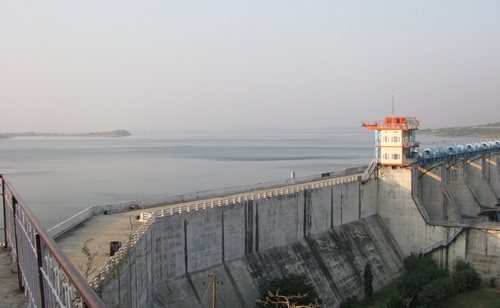
 If you’ve ever turned on a tap in Jaipur and had clean water flow out without a second thought, you have Bisalpur Dam to thank. This isn’t an exaggeration — this single reservoir in Tonk district is genuinely the lifeline behind drinking water for Jaipur, Ajmer, and Tonk, cities that together are home to millions of people. For a state as water-stressed as Rajasthan, that makes Bisalpur one of the most quietly important pieces of infrastructure in the region, and it’s also turned into a genuinely peaceful weekend escape for anyone tired of Jaipur’s usual tourist crowds.
| Detail | Information |
| River | Banas River, a tributary of the Chambal River |
| Location | Near Bisalpur village, Deoli tehsil, Tonk district, Rajasthan |
| Distance from Jaipur | Around 130–160 km |
| Distance from Tonk | About 40 km |
| Distance from Ajmer | Roughly 60 km |
| Dam Type | Earth-fill embankment dam with a masonry/concrete spillway |
| Construction Period | Began in the early 1990s (some sources cite 1985), completed in 1999 |
| Dam Height | Around 38.5–39.5 metres |
| Dam Length | About 574 metres |
| Reservoir Capacity | Over 315 million cubic metres (gross) |
| Spillway Gates | 13 radial gates and 2 sluice gates |
| Primary Purpose | Drinking water supply and irrigation |
| Cities Supplied | Jaipur, Ajmer, and Tonk |
| Water Pipeline Length | Around 260 km |
| Visiting Hours | Generally 8:00 AM to 6:00 PM |
| Entry Fee | Free |
| Best Time to Visit | October to March |
Where Bisalpur Dam Is Located
Bisalpur Dam sits near Bisalpur village in Deoli tehsil, part of Tonk district, roughly 130 to 160 kilometres from Jaipur depending on your exact route. It’s a fairly long drive, typically taking two and a half to three hours, so this isn’t the kind of spontaneous half-day trip you’d squeeze in between errands — it genuinely needs planning as a dedicated day out.
Most visitors organise this as a full-day trip from Jaipur, either self-driving or booking a private cab, since public transport options directly to the dam are limited. If you’re coming from Ajmer instead, the distance shrinks to around 60 kilometres, making it a considerably more convenient option for anyone based there.
The River Behind Jaipur’s Water Supply
The dam is built across the Banas River, itself a tributary of the larger Chambal River system. What makes this particular stretch of the Banas so critical is its role in solving one of eastern Rajasthan’s most persistent problems — chronic water scarcity in a genuinely drought-prone region.
Once captured behind the dam, water travels through a pipeline stretching roughly 260 kilometres to reach Jaipur and Ajmer, an infrastructure feat that’s easy to overlook until you consider just how much of Rajasthan’s urban population depends on this single source reaching them reliably.
A History Rooted in Solving Water Scarcity
Bisalpur Dam’s construction timeline shows some variation across sources, with some citing a start date around 1985 and others pointing to 1993, though there’s clear agreement that the project was completed in 1999. Political history adds an interesting layer here too — the dam itself was finished under a Congress state government, but it was the subsequent BJP-led administration that began laying the pipeline infrastructure connecting Jaipur to Bisalpur starting in 2004. It ultimately took until 2009 for water from Bisalpur to actually start flowing into Jaipur, a gap that highlights just how complex large-scale water infrastructure projects can be, even after the dam itself stands complete.
Today, the dam is widely referred to as the lifeline of Jaipur, a title that reflects just how central this single water source has become to the capital city’s daily functioning.
What Bisalpur Dam Does Today
Beyond supplying drinking water to three major cities, Bisalpur Dam also supports irrigation for agricultural land in the surrounding region, with canal systems extending out to benefit thousands of farmers across the area. The dam’s design includes 13 radial gates and 2 sluice gates, allowing careful control over water release, particularly important during monsoon when inflow can spike dramatically.
In fact, it’s not unusual for local news to report the dam’s gates being opened when the reservoir breaches full capacity during a particularly strong monsoon, a genuinely newsworthy moment given how directly it affects water availability across the region.
What There Is to See and Do
Unlike heavily commercialised dam destinations elsewhere in India, Bisalpur has remained relatively unspoiled, without extensive tourist infrastructure crowding the site. What you get instead is a genuinely peaceful stretch of water surrounded by Aravalli hills, ideal for a quiet walk along the dam’s promenade or simply sitting back and taking in the view.
Boating is available on the reservoir when conditions allow, offering a closer look at the water and surrounding landscape. Birdwatchers will find winter particularly rewarding here, since migratory species including cranes, storks, and eagles frequent the area during the cooler months. Fishing enthusiasts also visit for species like catfish, carp, and mahseer found in the reservoir.
Nearby, an old Shiva temple draws a steady stream of visitors, and it’s become something of a local tradition to grab kachori at its footsteps before or after a dam visit. A newly developed fish aquarium near the dam has also added a bit more to see for those visiting with family or children.
Timings and Entry Details
Bisalpur Dam is generally open daily from around 8:00 AM to 6:00 PM, and entry is completely free, making this a genuinely low-cost outing beyond your travel expenses. There’s no formal ticketing system or gate fee, which fits with the site’s largely unspoiled, non-commercialised character.
Practical Tips Before You Visit
Mobile network coverage around Bisalpur is notably weak, which means online payments and digital navigation can become unreliable once you’re closer to the dam. Carrying sufficient cash is genuinely important here, since you can’t count on UPI or card payments working smoothly at local eateries. Food options are limited directly at the site, though local dhabas along the route often serve dal bati, a fitting Rajasthani meal to enjoy during your trip. It’s also worth exercising caution around street animals and traffic on the highway route, as several visitors have specifically flagged this as something to watch for.
Best Time to Plan Your Visit
October through March offers the most comfortable weather for a day trip, avoiding both Rajasthan’s intense summer heat and the unpredictability of monsoon travel. That said, visiting right after monsoon, particularly through September and October, gives you the best chance of seeing the reservoir at its fullest, with small waterfalls forming around the hills and the entire landscape looking noticeably greener than during drier months.
Frequently Asked Questions
Q1. Is Bisalpur Dam worth the long drive from Jaipur?
It depends on your travel style. If you enjoy a peaceful, uncrowded destination with genuine scenic value and don’t mind a full-day commitment, it’s a rewarding trip. If you’re looking for something closer with less travel time, several other Jaipur day-trip options within 50 to 100 kilometres might suit you better.
Q2. Why is Bisalpur Dam called the lifeline of Jaipur?
It supplies drinking water to Jaipur through a roughly 260-kilometre pipeline, making it the primary water source for the capital city along with Ajmer and Tonk. Without this dam, eastern Rajasthan’s water security would look considerably different.
Q3. Is boating always available at Bisalpur Dam?
Boating is offered when water levels and conditions permit, so it’s not guaranteed year-round. It’s worth checking current availability locally, especially if this is a specific activity you’re planning your visit around.
Q4. What should I carry for a Bisalpur Dam day trip?
Sufficient cash is essential given the weak mobile network and limited digital payment options in the area. Carrying your own food and water is also sensible, since dining options directly at the dam are minimal, though nearby dhabas do serve local Rajasthani meals.