 By Sanjeev Sinha
 If Kerala’s usual dam-and-garden combo feels a bit too polished for your taste, Chimmini offers something genuinely different — a reservoir tucked deep inside a wildlife sanctuary, where coracle rides double as wildlife-spotting trips and bamboo rafting happens under a genuine forest canopy. This is Thrissur district’s largest dam, and it’s also one of the few places in Kerala where the tourism experience is built entirely around nature rather than manicured gardens. If you’re planning a Thrissur trip and want something off the usual circuit, here’s everything worth knowing.
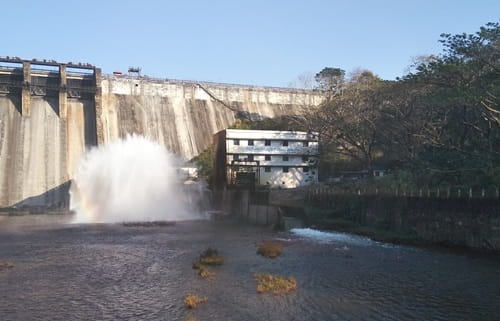
| Detail | Information |
| Also Known As | Chimmony Dam |
| River | Kurumali River, a tributary of the Karuvannur River |
| Location | Echippara, Chalakudy Taluk, Thrissur district, Kerala |
| Distance from Thrissur | Around 34–41 km |
| Nearest Airport | Cochin International Airport, about 60 km away |
| Nearest Railway Station | Thrissur, roughly 39 km away |
| Construction Started | 1975 |
| Completed | 1996 |
| Dam Type | Combination of 495-metre masonry section and 686-metre earthen dam |
| Total Project Cost | Around ₹59.71 crore |
| Status | Largest dam in Thrissur district |
| Surrounding Protected Area | Chimmini Wildlife Sanctuary, established 1984 |
| Sanctuary Area | Around 85 sq. km |
| Sanctuary Timings | Generally 9:00 AM to 5:00 PM (some sources cite 6 AM–6 PM) |
| Entry Fee | Around ₹10 for adults, ₹5 for students, ₹150 for foreign nationals |
| Best Time to Visit | October to March |
Where Chimmini Dam Is Located
Chimmini Dam sits at Echippara, in Chalakudy taluk of Thrissur district, roughly 34 to 41 kilometres from Thrissur town depending on your route. It’s positioned on the western slopes of the Nelliyampathy Hills, part of the Western Ghats, and shares its borders with both the Mangalam Dam and the Parambikulam Wildlife Reserve.
Public transport here is genuinely limited, so most visitors approach via Varandarappilly and Palappilly, either driving themselves or hiring a private vehicle for the final stretch. If you’re travelling from further away, Cochin International Airport sits around 60 kilometres out, while Thrissur serves as your nearest railway connection at roughly 39 kilometres.
The River Behind This Reservoir
The dam is built across the Kurumali River, itself a tributary of the larger Karuvannur River system. Locally, this waterway is also referred to as the Chimmony or Chimmini river, which is where the dam takes its name. What makes Chimmini genuinely unusual among Kerala’s major dams is the absence of a traditional canal system — instead of channeling water through built infrastructure, the reservoir releases water that flows naturally through the river and existing waterways to reach Kole land paddy fields downstream.
This natural-flow approach also extends water benefits to other parts of the district connected through the Kurumali river network, making the dam’s irrigation footprint considerably wider than its modest physical size might suggest.
A History Spanning Two Decades of Construction
Construction on Chimmini Dam began in 1975, and it took an unusually long 21 years to complete, finally finishing in 1996. The project ended up costing around ₹59.71 crore, significantly more than the original estimate of ₹36.15 crore, reflecting the scale and complexity of building both a masonry section and an earthen dam together as one integrated structure.
The dam itself combines a 495-metre masonry portion with a 686-metre earthen embankment, a hybrid design that’s fairly distinctive compared to Kerala’s more uniformly-built dams elsewhere in the state.
Life Inside a Protected Wildlife Sanctuary
What genuinely sets Chimmini apart is its location within the Chimmini Wildlife Sanctuary, established in 1984 and spread across roughly 85 square kilometres of the Western Ghats. This sanctuary connects with the neighbouring Peechi-Vazhani Wildlife Sanctuary and maintains some habitat connectivity with Parambikulam as well, forming part of a broader protected corridor.
The biodiversity here is genuinely impressive for a lesser-known sanctuary. Elephants, sambar deer, gaurs, sloth bears, and even tigers have been recorded in the area, alongside smaller but equally fascinating residents like the Indian giant squirrel, Nilgiri langur, and slender loris. Birdwatchers have plenty to look forward to as well, with around 192 recorded bird species, including five endemic to the Western Ghats, such as the grey-headed bulbul and white-bellied blue flycatcher.
What There Is to Do at Chimmini
Coracle rides on the reservoir are one of the standout experiences here, letting visitors glide across the water while observing the surrounding forest and its wildlife from a genuinely peaceful vantage point. Bamboo rafting is another highlight, typically arranged from the Inspection Bungalow, and it’s one of the few places in Kerala where you can try this activity in a genuinely wild, unmanicured setting.
The forest department also organises structured trekking programs, ranging from short three-hour treks to full-day excursions, along with more unusual eco-tourism options like birding trails, butterfly safaris, and even a moonlit rafting experience called Moonlight Sonata for those wanting something a little more atmospheric. The view from the top of the dam is genuinely rewarding too, especially in the early morning when mist settles over the reservoir and hills, creating conditions that landscape photographers consistently rate as some of the best in the region.
Timings and Entry Details
Sanctuary and dam timings generally run from around 9:00 AM to 5:00 PM, though some sources describe broader access between 6:00 AM and 6:00 PM. Entry requires a permit from the wildlife warden at Peechi Wildlife Division, with fees typically around ₹10 for adults, ₹5 for students, and ₹150 for foreign visitors. Vehicle parking carries its own charges depending on type, and photography inside certain sections may require a separate fee, with some areas restricting photography entirely for safety reasons near the dam’s hydroelectric infrastructure.
Practical Tips Before You Visit
Since this is a working wildlife sanctuary rather than a developed tourist park, facilities are genuinely basic. There are no shops or restaurants inside, so carrying your own food and water is essential rather than optional. If you’re visiting during monsoon, leeches are a real consideration on forest trails, and carrying salt or tobacco as a traditional repellent is a commonly shared tip among regular visitors. Sturdy trekking shoes and an umbrella are worth packing regardless of season, and it’s important to follow forest guard instructions closely given the genuine presence of wildlife in the area.
Best Time to Plan Your Visit
October through March offers the most comfortable conditions, with pleasant temperatures for trekking and boating, plus the reservoir typically holding a good water level following the monsoon. Visiting during peak summer, particularly March and April when temperatures climb toward 30 degrees Celsius, can make extended outdoor activities considerably less comfortable, so it’s worth planning accordingly.
Frequently Asked Questions
Q1. Do I need a permit to visit Chimmini Dam and the sanctuary?
Yes, visitors need to obtain a permit from the wildlife warden at Peechi Wildlife Division and pay the applicable entrance fee before entering, since the dam sits within a protected wildlife sanctuary rather than an open tourist area.
Q2. Is photography allowed at Chimmini Dam?
It’s restricted in certain areas, particularly near the dam’s hydroelectric infrastructure, for safety reasons. General photography within the sanctuary typically requires an additional fee, so it’s worth confirming current rules at the entry checkpost.
Q3. What makes Chimmini different from other dams near Thrissur, like Peechi Dam?
Chimmini sits within its own dedicated wildlife sanctuary and lacks a traditional canal system, releasing water naturally through the river instead. It also offers genuinely wild activities like bamboo rafting and coracle rides through forested terrain, giving it a rawer, less commercialised character compared to more developed nearby dams.
Q4. Is Chimmini Dam suitable for a day trip, or should I plan an overnight stay?
Both work well. A day trip covers the dam, a coracle ride, and perhaps a short trek comfortably, but if you want to try bamboo rafting, birding trails, or the moonlit rafting experience, staying overnight at the Inspection Bungalow or a nearby eco-lodge gives you considerably more time to explore.