 By Sanjeev Sinha
 If you’ve spent any time in Jamshedpur, you’ve probably heard someone mention a quick winter drive to Chandil for boating and a picnic by the water. This isn’t just another local weekend spot — Chandil Dam is part of a genuinely significant interstate water project spanning three states, sitting at the meeting point of two rivers, with the Dalma Hills forming a dramatic backdrop. If you’re planning a trip out of Jamshedpur or simply curious about this dam’s backstory, here’s everything worth knowing.
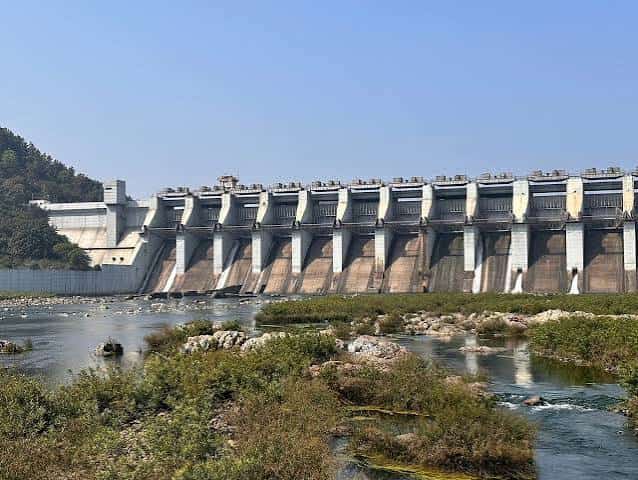
| Detail | Information |
| River | Subarnarekha River (with the Karkori River joining it here) |
| Location | Chandil block, Seraikela Kharsawan district, Jharkhand |
| Distance from Jamshedpur | Around 22–37 km, depending on route |
| Distance from Ranchi | About 105 km |
| Approach Road | Via NH33 |
| Project | Subarnarekha Multipurpose Project (SMP) |
| Tripartite Agreement Signed | 7 August 1978, between Bihar, West Bengal, and Odisha |
| Construction Started | 1982–83 |
| Catchment Area | Around 5,646 sq. km |
| Purpose | Irrigation, drinking water, industrial supply, hydroelectricity, flood control |
| Visiting Hours | Generally daytime hours, no strict published schedule |
| Boating Cost | Around ₹150 per person for a short ride |
| Best Time to Visit | October to February |
Where Chandil Dam Is Located
Chandil Dam sits in Chandil block, part of Seraikela Kharsawan district, roughly 22 to 37 kilometres from Jamshedpur depending on which source and route you follow. Most visitors reach it via NH33, a drive that typically takes around an hour from the city, passing through the scenic countryside that surrounds the Dalma Hills.
The dam’s location right along this route makes it a genuinely convenient half-day trip for Jamshedpur residents, and it’s well connected by rail too, with regular trains running from major cities and both Kolkata and Ranchi airports serving as reasonable air access points for visitors coming from further away.
The Rivers Behind This Multipurpose Project
Chandil Dam is built across the Subarnarekha River, right at a point where the Karkori River, which originates from the Hundru Falls area, merges with it. This confluence is part of what gives the reservoir its distinctive, expansive character, since the combined flow from both rivers creates a genuinely large water body.
The Subarnarekha’s name itself carries an interesting story — it translates to “streak of gold,” a reference to traditional gold mining that once took place near the river’s origin at a village called Piska near Ranchi. Even today, traces of gold particles are reportedly still found in the river’s sandy beds, adding a small but genuinely fascinating layer to the dam’s backstory.
A History Shaped by Interstate Cooperation
Chandil Dam forms a major part of the Subarnarekha Multipurpose Project, a joint venture between the governments of what was then Bihar (before Jharkhand’s formation), West Bengal, and Odisha. A formal Tripartite Agreement establishing this cooperation was signed by the respective Chief Ministers in New Delhi on 7 August 1978, reflecting how significant this river system was considered across all three states.
Construction on the dam itself began in 1982-83, but the project faced repeated delays over the years, largely due to opposition from local landowners regarding land acquisition. This is a genuinely important part of the dam’s history worth acknowledging honestly — building large water infrastructure projects in India has historically come with real friction between development needs and the rights of communities whose land gets submerged or acquired in the process.
From Displacement to Livelihood Rebuilding
What’s genuinely encouraging about Chandil’s more recent history is the work done to help affected communities rebuild afterward. Local organisations have worked to create sustainable livelihood opportunities around the reservoir for families who were previously displaced or disconnected from their land and water access. These initiatives include cage culture fish farming, geese cultivation, livestock breeding, horticulture and fruit tree plantations, lacquer and shellac agriculture, and tourism development centred around boating.
This transformation from displacement to genuine self-reliance reflects a more positive, community-focused chapter in the dam’s ongoing story, moving beyond the initial tensions of land acquisition toward tangible economic opportunity for local residents.
What Makes Chandil Dam Worth Visiting
The reservoir itself is genuinely striking, described by several sources as resembling a giant inland sea given its scale and the ring of hills surrounding it. Small islands dot the water, reachable by boat, offering visitors a unique vantage point over the surrounding landscape that most typical dam visits don’t provide.
Boating remains the primary draw here, with speed boat rides typically running around ₹150 per person for a short spin, complete with life jackets provided for safety. The Subarnarekha’s waters around the dam are also genuinely good for birdwatching, making an early boat ride particularly rewarding if that’s an interest of yours.
There’s also a historical and archaeological layer worth knowing about. A nearby museum houses rock inscriptions reportedly around 2,000 years old, and excavations in the broader area have unearthed stone age tools and ancient idols dating back to the 5th century, giving this region a genuine depth of human history well beyond the dam’s own relatively recent construction.
Practical Realities Worth Knowing
It’s worth being upfront about a few things visitors have consistently noted. Littering around the dam and river has been flagged repeatedly in visitor feedback, which is a genuine concern if you’re hoping for a pristine, untouched natural setting. Food options near the dam are limited to a handful of stalls offering basic regional snacks, so it’s sensible not to expect an extensive dining experience. Parking is available but comes with its own charge, and boating operates on a straightforward payment basis without requiring advance booking in most cases.
Timings and Entry Details
Chandil Dam doesn’t appear to operate under a strict, formally published visiting-hours system, with most visitors accessing the site during standard daytime hours. There’s no significant entry fee reported for the dam area itself, though boating and parking carry their own separate charges as mentioned above.
Best Time to Plan Your Visit
October through February offers the most comfortable weather for visiting, with the reservoir typically at a good level following monsoon and temperatures pleasant enough for extended time outdoors, including boating and walking around the dam site. Monsoon season brings the dam to its fullest and most dramatic state, with the water body genuinely impressive to witness, though travel and outdoor comfort can be more unpredictable during this period given the heavier rainfall typical of the region.
Frequently Asked Questions
Q1. Is Chandil Dam a good day trip option from Jamshedpur?
Yes, genuinely so. At around an hour’s drive via NH33, it works well as a half-day or full-day outing, particularly popular during winter months when weather conditions are most comfortable for boating and outdoor activities.
Q2. What makes the Subarnarekha River’s name significant?
It translates to “streak of gold,” referencing traditional gold mining near the river’s origin at Piska village close to Ranchi. Traces of gold particles are still reportedly found in the river’s sandy beds even today.
Q3. Is boating available without advance booking at Chandil Dam?
Yes, boating typically operates on a straightforward payment basis at the site itself, without requiring advance reservations, making it an easy activity to arrange on arrival.
Q4. Are there historical sites worth visiting near Chandil Dam?
Yes, a nearby museum houses rock inscriptions estimated to be around 2,000 years old, and broader excavations in the region have uncovered stone age tools and ancient idols dating back to the 5th century, adding genuine historical depth to a Chandil Dam visit.