 By Sanjeev Sinha
 If you live in Ranchi, chances are the water running through your taps traces back to a single reservoir on the outskirts of the city. Dhurwa Dam, officially called Hatia Dam, quietly supplies millions of gallons of drinking water every single day to Jharkhand’s capital, while also functioning as one of the city’s most loved sunset spots and weekend picnic destinations. Whether you’re a Ranchi local wondering about your own water source or a visitor looking for an easy evening outing, here’s a complete, practical guide to this dam.
Quick Overview
| Detail | Information |
| Official Name | Hatia Dam (commonly known as Dhurwa Dam) |
| River | Subarnarekha River |
| Location | Dhurwa, Ranchi, Jharkhand |
| Distance from Ranchi City | Around 15 km |
| Nearest Railway Stations | Hatia and Argora, both close by |
| Constructed | Completed in 1963, with Russian technical assistance |
| Reservoir Area | Around 7 sq. km |
| Gross Reservoir Capacity | About 34.1 million cubic metres |
| Primary Purpose | Drinking water supply to Ranchi city and HEC |
| Daily Water Supply | Around 9.5 million gallons (8.5 MG for the city, 1 MG for HEC) |
| Managed By | Jharkhand Urban Infrastructure Development Company (JUIDCO) |
| Visiting Hours | Generally open all day (some listings note 24-hour access) |
| Entry Fee | Free |
| Popular Activities | Boating, picnicking, birdwatching, sunset viewing |
Where Dhurwa Dam Is Located
Dhurwa Dam sits in the Dhurwa locality of Ranchi, roughly 15 kilometres from the city centre. Despite carrying the name “Hatia Dam,” it’s actually located in Dhurwa rather than Hatia itself, a naming quirk that occasionally confuses first-time visitors checking directions.
Getting there is simple given how well-connected this part of Ranchi is. Hatia and Argora railway stations both sit close to the dam, and the area is easily reached by local transport, auto-rickshaws, or a short cab ride from most parts of the city. Dhurwa itself is a fairly well-known Ranchi neighbourhood, home to landmarks like the JSCA International Stadium, which makes the dam easy to locate even without precise directions.
The River Behind Ranchi’s Water Supply
Dhurwa Dam is built across the Subarnarekha River, which originates near Nagri village in Ranchi district itself before travelling roughly 395 kilometres and eventually emptying into the Bay of Bengal. Because the river’s source lies so close to Ranchi, this dam captures water almost right at the beginning of the Subarnarekha’s long journey, making it a particularly reliable source for the city.
That reliability comes with its own seasonal challenge, though. Water levels at the dam can drop significantly during peak summer months, occasionally straining supply to the city during the hottest, driest stretches of the year.
A History Built with International Assistance
Dhurwa Dam was completed in 1963, constructed with technical assistance from Russia during a period when India was actively developing infrastructure with support from multiple international partners. Its primary purpose from the start was straightforward — provide a dependable drinking water source for a rapidly growing Ranchi city.
Today, the dam supplies around 9.5 million gallons of water daily, with the bulk of that, about 8.5 million gallons, going directly to Ranchi city, and the remaining million gallons supporting Heavy Engineering Corporation Limited (HEC), one of the region’s major industrial establishments. The dam is currently managed by the Jharkhand Urban Infrastructure Development Company, which oversees its role in the city’s broader water infrastructure.
Looking ahead, Dhurwa Dam is also expected to play a part in supplying the proposed Ranchi Smart City project, with plans to channel an additional 12 million litres of water toward that development as it progresses.
What There Is to Do at Dhurwa Dam
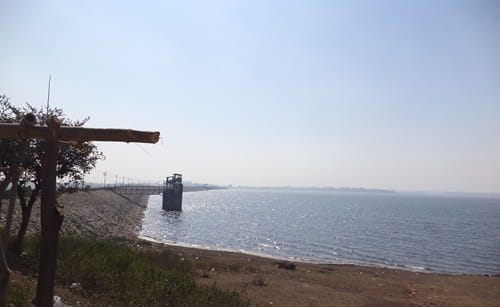
Boating remains one of the most popular activities here, with visitors enjoying calm rides across the reservoir surrounded by greenery. The dam’s sloped banks, lined with stones set into the soil, provide a stable grip for those wanting to walk down closer to the water’s edge, making it a fairly accessible spot compared to some steeper reservoir sites.
Gazebos positioned along one side of the dam offer a shaded spot to sit back and enjoy the breeze, and this area has become a particularly popular vantage point for watching the sunset, with the light reflecting beautifully across the water. Families often use the surrounding grounds for picnics, especially around New Year’s Day and during Chhath Puja, when locals gather at the dam to perform rituals honouring the sun god. Birdwatchers and photographers also frequent the area, drawn by the mix of water, greenery, and the steady presence of local avian life around the reservoir.
A Practical Safety Note
Like many popular local hangout spots, Dhurwa Dam has occasionally seen concerns raised by nearby residents about nuisance behaviour from visiting groups, including issues with reckless driving and general disturbance in the area. If you’re visiting, especially in the evening, it’s worth sticking to well-populated areas near the gazebos and park, and exercising the usual caution you would at any busy public waterfront.
Timings and Entry Details
Dhurwa Dam is generally accessible throughout the day, with some local listings describing it as open 24 hours. There’s no entry fee to visit, making it a genuinely low-cost outing for families and individuals alike. That said, if you’re planning water activities like boating, it’s sensible to visit during daylight hours when operators and facilities are more likely to be active.
Best Time to Plan Your Visit
Winter months bring the most comfortable weather for a relaxed visit, ideal for boating and picnicking without the intensity of Jharkhand’s summer heat. Evening visits, particularly around sunset, consistently rank as the most popular time to experience the dam, when the light over the water creates the kind of view that’s made this spot a long-standing local favourite. If you’re interested in witnessing the Chhath Puja celebrations, planning your visit around that festival period offers a genuinely unique cultural experience alongside the dam’s natural scenery.
Frequently Asked Questions
Q1. Why is Dhurwa Dam also called Hatia Dam?
The dam’s official name is Hatia Dam, but since it’s actually situated in the Dhurwa locality of Ranchi rather than Hatia, most locals and visitors refer to it simply as Dhurwa Dam. Both names refer to the same structure.
Q2. Is swimming allowed at Dhurwa Dam?
While some locals do swim in designated shallower areas near the sloped banks, it’s generally advisable to stick to boating and viewing rather than swimming, given the reservoir’s role as a drinking water source and the safety considerations that come with any large water body.
Q3. What’s the best time of day to visit for the best experience?
Evening, particularly close to sunset, is widely considered the best time, when the gazebos and dam banks offer a cool breeze and a scenic view of the light reflecting across the water.
Q4. Is Dhurwa Dam suitable for a family outing with children?
Yes, the dam and its surrounding grounds are commonly used for family picnics, and the gentle boating options make it accessible even for those travelling with kids, though supervision near the water’s edge is always advisable.