 By Sanjeev Sinha
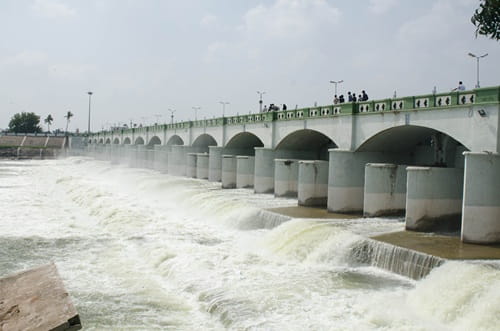
 Long before concrete and steel became the language of dam-building, a Chola king figured out how to control one of South India’s mightiest rivers using nothing but stacked stone and clay. That structure is still standing, still working, and still irrigating farmland nearly two thousand years later. If you’re travelling through Trichy or Thanjavur and wondering whether a quick detour to Kallanai Dam is worth your time, the short answer is yes — this isn’t just a historical curiosity, it’s arguably the reason the Cauvery Delta became one of India’s most fertile agricultural belts.
Here’s everything worth knowing before you visit.
Quick Overview
| Detail | Information |
| Also Known As | Grand Anicut |
| River | Kaveri (Cauvery) River |
| Location | Near Thogur village, Tiruchirappalli district, Tamil Nadu |
| Distance from Trichy | Around 15–20 km |
| Distance from Srirangam | About 17 km |
| Nearest Railway Station | Lalgudi, roughly 4–10 km away |
| Nearest Airport | Tiruchirappalli International Airport, about 24–55 km away |
| Built By | Chola King Karikalan |
| Construction Period | 2nd century AD (around 150 CE) |
| Status | Oldest functioning water-diversion structure in India; fourth oldest in the world |
| Construction Material | Unhewn stone, without mortar |
| Length | Around 329 metres (1,079 feet) |
| Height | About 5.4 metres |
| Irrigation Coverage | Roughly 1 million acres in the Cauvery Delta |
| Visiting Hours | Generally 6:00 AM to 6:00 PM (some sources cite 9 AM–5 PM or 10 AM–6 PM) |
| Entry Fee | Free |
| Best Time to Visit | October to February |
Where Kallanai Dam Is Located
Kallanai Dam sits close to Thogur village, roughly 15 to 20 kilometres from Tiruchirappalli, depending on which route you take. It’s also easily combined with a Srirangam visit, since the dam is only about 17 kilometres away from there, making it a natural addition to a temple-and-heritage circuit through the region.
Getting here is straightforward. Lalgudi serves as the nearest railway station, just a short drive away, while Trichy’s airport connects the site to the rest of the country. Auto-rickshaws, taxis, and local buses all run frequently enough that reaching the dam doesn’t require much planning, even if you’re travelling independently.
The River That Made This Dam Necessary
The Kaveri River is central to everything about Kallanai Dam’s existence. Long before this structure was built, the river’s flow pattern created a recurring problem — heavy, erratic rainfall combined with flooding meant that the fertile delta region downstream often received either too much water at once or not enough during critical growing seasons.
Kallanai Dam solved this by diverting a controlled portion of the Kaveri’s flow toward irrigation canals feeding the delta districts, while also regulating water heading toward the Kollidam (Coleroon) river branch. This diversion system is precisely why the Cauvery Delta became known as one of South India’s most productive agricultural regions, a reputation it still holds today.
A History That Spans Nearly Two Millennia
Kallanai Dam was constructed under the reign of Chola King Karikalan, generally dated to around the 2nd century AD. What makes this genuinely remarkable isn’t just its age, but the fact that it’s still functioning exactly as intended, nearly two thousand years after it was first built. Historians and engineers alike consider it the oldest water-regulation structure still in active use in India, and the fourth oldest of its kind anywhere in the world.
The engineering approach itself was clever rather than brute-force. Instead of trying to block the river’s current outright, the dam was designed to reshape and redirect the flow, working with the river’s natural behaviour rather than fighting against it. Built entirely from unhewn stone without any mortar binding it together, the structure has endured floods, monsoons, and centuries of natural wear largely through the sheer intelligence of its original design.
The British-Era Modifications
By the 19th century, engineers noticed that water distribution to the delta region had become uneven, with a disproportionate amount flowing toward the Kollidam river rather than reaching irrigation canals where it was needed most. British engineer Captain Caldwell was brought in to study and address this, and his solution involved raising the height of the dam’s stones by around 27 inches to improve water capacity and flow control. Sluices were also added during this period, both to manage silt buildup and to create better-regulated outlets feeding the Kollidam.
This colonial-era intervention didn’t replace the original Chola engineering; it built on top of it, extending the dam’s functional life rather than reconstructing it from scratch. Later, Sir Arthur Cotton used Kallanai’s design principles as inspiration for the Lower Anicut he built across the Kollidam River, essentially treating the ancient structure as a working blueprint for his own 19th-century project.
What There Is to See and Do Today
Beyond its historical weight, Kallanai Dam has become a genuinely pleasant recreational spot. A small park adjacent to the dam offers manicured lawns and shaded areas ideal for a family picnic, while sections of the river remain open for visitors to wade in when water levels are low, often alongside small fish and tadpoles darting around your feet.
The Karikal Cholan Memorial, dedicated to the king who commissioned the dam, stands nearby and offers a bit more context on the historical significance of the site. Food stalls near the dam are locally known for serving fresh fish fry, a detail many visitors specifically mention as worth trying. Birdwatchers and nature lovers will also find the surrounding greenery genuinely rewarding, since the consistent water availability has supported a fairly diverse mix of local flora and bird species around the site.
Timings and Entry Details
Most sources place general visiting hours somewhere between 6:00 AM and 6:00 PM, though a few list slightly narrower windows like 9 AM to 5 PM or 10 AM to 6 PM. Entry to the dam itself is free, making it an easy, budget-friendly stop for anyone travelling through the Trichy-Thanjavur belt.
Given the site’s popularity as both a heritage landmark and a casual picnic spot, weekends tend to bring noticeably more local visitors, so early mornings or weekday visits generally offer a quieter, more reflective experience if that’s what you’re after.
Best Time to Visit
October through February is widely recommended, coinciding with cooler weather and higher water levels following the monsoon season, which makes for a genuinely more impressive view of the dam and river in action. That said, several sources note that Kallanai remains a worthwhile visit throughout the year, given its historical significance isn’t tied to any particular season.
Frequently Asked Questions
Q1. Why is Kallanai Dam considered such a significant engineering achievement?
It’s the oldest functioning water-diversion structure in India and the fourth oldest in the world, still actively irrigating around a million acres of farmland nearly two thousand years after it was originally built, using nothing but unmortared stone construction.
Q2. Can visitors actually enter the water at Kallanai Dam?
Yes, when water levels are low, a section of the river remains accessible for visitors to wade in alongside small fish, though it’s worth checking local conditions since this depends heavily on seasonal water flow.
Q3. Is there an entry fee to visit Kallanai Dam?
No, entry to the dam and its surrounding park is generally free, though minor charges may apply for specific activities or amenities depending on current local arrangements.
Q4. What else can I combine with a Kallanai Dam visit?
Srirangam’s Sri Ranganathaswamy Temple, Trichy’s Rock Fort Temple, and Thanjavur’s Brihadeeswarar Temple are all within reasonable driving distance, making it easy to build a full day of heritage sightseeing around a Kallanai Dam stop.