 By Sanjeev Sinha
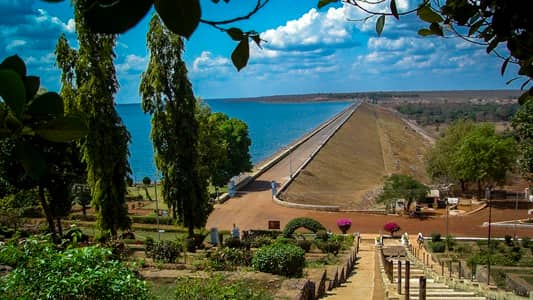
 If someone from Raipur tells you they’re heading to “Mini Goa” for the weekend, don’t book a flight to the coast just yet — they probably mean Gangrel Dam. This is Chhattisgarh’s longest and largest dam, and over the years it’s transformed from a purely functional irrigation project into the state’s go-to spot for jet skiing, parasailing, and sandbank picnics. If you’re anywhere near Dhamtari or Raipur and looking for a genuinely different kind of weekend trip, here’s everything worth knowing.
Quick Overview
| Detail | Information |
| Also Known As | Pandit Ravishankar Sagar, Ravishankar Dam |
| River | Mahanadi River |
| Location | Near Dhamtari, Chhattisgarh |
| Distance from Dhamtari | Around 12–17 km |
| Distance from Raipur | About 90 km |
| Nearest Railway Station | Dhamtari Railway Station |
| Nearest Airport | Swami Vivekananda Airport, Raipur, around 75–90 km away |
| Built | Commissioned in 1978 |
| Chief Engineer | Devraj |
| Status | Longest and largest dam in Chhattisgarh |
| Dam Length | Around 1,830 metres |
| Power Generation | 10 MW hydroelectric capacity |
| Key Beneficiary | Bhilai Steel Plant and surrounding agricultural land |
| Visiting Hours | Generally 6:00 AM to 8:00 PM |
| Entry Fee | Around ₹10 per person; water sports charged separately |
| Best Time to Visit | October to March; July to September for a full reservoir |
Where Gangrel Dam Is Located
Gangrel Dam sits roughly 12 to 17 kilometres from Dhamtari town and about 90 kilometres from Raipur, making it an easy weekend destination for anyone based in central Chhattisgarh. Multiple road routes connect Dhamtari to the dam, including via SH 52, a combined SH 52-SH 3 route, and NH 30 connecting through SH 52, giving visitors flexibility depending on where they’re coming from.
Dhamtari Railway Station serves as the closest rail connection, with frequent services linking to Raipur, while Swami Vivekananda Airport in Raipur remains the nearest air link for travellers coming from further afield. Regular CSRTC buses run between Raipur and Dhamtari, making the trip manageable even without a private vehicle.
The River Behind This Reservoir
The dam is built across the Mahanadi River, one of central India’s most significant waterways, at a point that makes Gangrel the most upstream major dam on the entire river. This upstream position gives it particular importance within the broader Mahanadi basin, since water regulated here has downstream effects across a substantial stretch of Chhattisgarh and beyond.
The reservoir spreads across an impressive 83 square kilometres, and this scale is exactly why Gangrel has become known for producing two harvest cycles a year for farmers in its command area, a genuinely significant agricultural benefit for the region.
A History Rooted in Post-Independence Development
Gangrel Dam was commissioned in 1978, part of India’s broader post-independence push to secure water and power infrastructure for growing agricultural and industrial demands. Officially named Pandit Ravishankar Sagar, the dam was engineered under the leadership of Chief Engineer Devraj, and its strategic placement on the Mahanadi allowed it to serve multiple purposes simultaneously — irrigation, hydroelectric power generation, and industrial water supply.
Among its most important roles is supplying water to the Bhilai Steel Plant, one of India’s major public sector steel manufacturing facilities, making Gangrel Dam a genuinely critical piece of infrastructure well beyond its immediate agricultural and recreational value.
From Irrigation Project to “Mini Goa”
What makes Gangrel Dam stand out from most Indian dams is how enthusiastically it’s embraced tourism development. The Chhattisgarh Tourism Department introduced a genuinely impressive range of water sports here, including jet skiing, water skiing, water surfing, scuba diving, sailing, parasailing, and kite surfing, positioning Gangrel as something of a pioneer for adventure tourism within the state.
The sandbanks and resorts lining the reservoir’s banks have earned it the affectionate local nickname “Mini Goa,” and while pricing for these activities tends to run higher given the limited competition, visitors consistently describe the experience as worth it, particularly for families looking for something more adventurous than a typical picnic spot.
What There Is to See and Do
Beyond the headline water sports, Gangrel offers landscaped gardens and lush green lawns ideal for a relaxed stroll, along with a dedicated viewpoint overlooking the barrage itself. The reservoir’s so-called “Virgin Islands” add a genuinely scenic element, particularly appealing for nature walks and birdwatching during migratory seasons.
Sunrise and sunset views here have developed a strong following among photographers, and the surrounding area hosts several temples worth visiting, including the Ravishankar Dam Temple dedicated to Lord Shiva within the dam complex itself, alongside Angaarmoti Mandir devoted to Goddess Durga and the Rudreshwar Temple nearby at Rudri.
Local festivals add a genuinely rich cultural dimension to a Gangrel visit if your timing aligns. Cher Chera in January, Pola around August or September, and Hareli in July or August all bring traditional music, dance, and food to the surrounding villages, offering visitors a chance to experience Chhattisgarhi culture alongside the dam’s natural attractions. For food, local specialties like bafauri, chousela, and aamat give visitors a genuine taste of regional cuisine, though it’s worth noting that some visitors have found dining options directly at the dam somewhat limited.
Timings and Entry Details
Gangrel Dam is generally open from 6:00 AM to 8:00 PM daily, with a nominal entry fee of around ₹10 per person. Water sports and boating tickets are available on-site, with pricing ranging anywhere from ₹50 to ₹1,000 depending on the specific activity and duration you choose.
Safety rules are taken seriously here, with swimming strictly prohibited due to genuinely strong currents in parts of the reservoir. Jet skiing, kayaking, banana boat rides, and parasailing are all offered through approved operators equipped with necessary safety gear, so it’s worth sticking to these official channels rather than improvising water activities independently.
Best Time to Plan Your Visit
October through March offers the most comfortable weather for both sightseeing and water sports, with pleasant temperatures making extended time outdoors genuinely enjoyable. That said, July through September, the peak monsoon window, is when the reservoir fills to its most dramatic level, with high water and stronger currents creating a genuinely striking visual spectacle, even though some water activities may see temporary restrictions during this period given safety considerations.
Frequently Asked Questions
Q1. Is swimming allowed anywhere at Gangrel Dam?
No, swimming is strictly prohibited throughout the reservoir due to strong currents. Visitors wanting a water-based experience should stick to official activities like boating, jet skiing, or kayaking arranged through approved operators.
Q2. Why is Gangrel Dam sometimes called “Mini Goa”?
The nickname comes from the sandbanks, resorts, and range of adventure water sports available along the reservoir’s banks, giving the area a beach-resort-like atmosphere that’s genuinely unusual for an inland dam site in central India.
Q3. What’s the best time to combine a Gangrel Dam visit with local festivals?
If cultural experiences interest you, plan around Hareli in July or August, Pola around August-September, or Cher Chera in January, since these festivals bring traditional music, dance, and food to the surrounding Dhamtari region alongside your dam visit.
Q4. Are there good dining options available at Gangrel Dam itself?
Options are somewhat limited directly at the dam, with a few local eateries and the Gangrel Dam Restaurant offering regional specialties. It’s worth carrying some snacks as backup, especially if you’re planning an extended visit centred around water sports.