 By Sanjeev Sinha
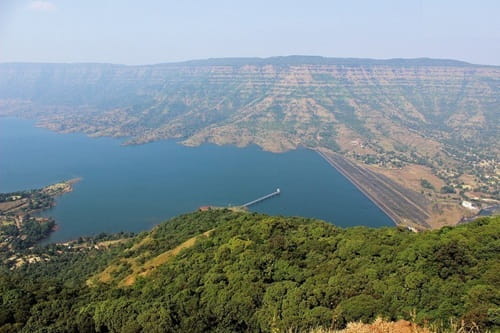
 If you’ve ever watched a Bollywood cop drama with a rustic river backdrop, there’s a genuine chance you’ve already seen Dhom Dam without knowing its name. This unassuming reservoir near Wai has quietly hosted over 250 film shoots, from Gangaajal to Singham to the 2025 release Chhaava, while simultaneously supplying drinking water to Mahabaleshwar and Panchgani and irrigating nearly 33,000 hectares of Satara farmland. Here’s everything worth knowing before you plan your visit.
Quick Overview
| Detail | Information |
| River | Krishna River |
| Location | Near Wai, Satara district, Maharashtra |
| Distance from Wai | Around 8 km |
| Distance from Panchgani | Around 20–21 km |
| Distance from Satara | Around 38 km |
| Distance from Pune | Around 97 km |
| Construction Started | 1966–1976 (sources vary) |
| Completed | 1976–1982 (sources vary) |
| Status | First dam built on the Krishna River in Maharashtra |
| Dam Type | Earthfill and gravity dam |
| Dam Height | 50 metres |
| Dam Length | 2,478 metres |
| Storage Capacity | Around 13.80–14 TMC |
| Reservoir (Dhom Lake) Length | Around 20 km |
| Power Generation | 4 MW |
| Irrigation Coverage | Around 32,925–74,000 hectares (with Kanher canal) |
| Best Time to Visit | Monsoon (June–September) and winter |
Where Dhom Dam Is Located
Dhom Dam sits roughly 8 kilometres from Wai town, within the Sahyadri mountain range in Satara district. It’s a genuinely convenient stop if you’re already visiting Panchgani, sitting just 20 to 21 kilometres away, and it works equally well as a day trip from Pune, roughly 97 kilometres out.
The approach is via a narrow, winding road branching off from Wai, connecting to State Highway 72, offering scenic views through rural Maharashtra landscapes along the way. Wai serves as the primary transport gateway, with the nearest railway station in Satara, about 38 kilometres away, from where visitors typically continue by bus or taxi. MSRTC buses run frequently from Pune and Mumbai to Wai, making the region genuinely accessible even without a private vehicle.
The River Behind This Historic Engineering Project
The dam is built across the Krishna River, one of peninsular India’s most significant waterways, and it holds the distinction of being the first dam ever constructed on the Krishna within Maharashtra. This is a genuinely notable engineering milestone, given how many major dams now exist along the Krishna’s course across multiple states.
The reservoir’s catchment draws from roughly 217.55 square kilometres of Western Ghats terrain, with peak inflow occurring during the southwest monsoon between June and September. Water levels here fluctuate considerably across the year, typically varying by 20 to 30 metres annually depending on monsoon strength and release patterns, reflecting the genuinely dynamic nature of this reservoir’s operation.
A History Marked by Ambitious Post-Independence Engineering
Sources genuinely differ on Dhom Dam’s exact construction timeline, with some citing a start date of 1966 and others 1976, and completion variously dated between 1976 and 1982. What’s consistent across all sources is the project’s scale and significance — at the time of its construction, it stood as one of the largest civil engineering projects undertaken in independent India, reflecting the country’s broader post-independence push toward securing water infrastructure for agriculture and industry.
The area itself carries deep historical roots that predate the dam by centuries. Dhom village was earlier known as Virat Nagari, and the wider Wai region holds the epithet “Dakshin Kashi,” reflecting its significance as a spiritual and cultural centre along the Krishna’s banks. Wai itself has a documented history stretching back over 350 years, and it played a genuine role in Maratha history — Afzal Khan, the Bijapur Sultan’s general, camped here during his campaign against Shivaji, using a local mansion called Banawdikar Wada as his strategic headquarters before his eventual death at Shivaji’s hands at Pratapgarh.
What Dhom Dam Does for the Region Today
The dam’s practical impact is genuinely substantial. Its combined Dhom and Kanher canal systems support irrigation across up to 74,000 hectares, though actual utilisation varies with reservoir levels and seasonal demand, with more specific figures placing direct irrigation coverage around 32,925 hectares in Satara district alone, spanning Wai, Koregaon, Satara, and Javli talukas.
Beyond agriculture, Dhom Dam supplies drinking water to Wai, Panchgani, and Mahabaleshwar, addressing genuinely challenging topographic conditions. Water for Panchgani’s supply scheme, in particular, has to be lifted up to 620 metres in elevation through four stages of centrifugal pumping stations, a genuinely impressive feat of engineering given the hilly terrain involved. The Detailed Project Report allocates 2.64 TMC annually for drinking water alone, supplemented by a further 0.23 TMC for industrial use, managed through the Maharashtra Jeevan Pradhikaran.
Why This Dam Has Become a Genuine Bollywood Favourite
This is easily one of the most interesting aspects of Dhom Dam’s modern identity. The scenic backwaters and surrounding hills have served as backdrops for numerous major Bollywood productions, including Gangaajal in 2003, Singham in 2011, and more recently, battle scenes in the 2025 film Chhaava. This is part of a broader pattern — over 250 films have reportedly been shot in and around the Wai area, drawing filmmakers seeking authentic Indian village and riverine aesthetics.
This media exposure has genuinely benefited the local economy, generating employment in hospitality, boating services, and related tourism ventures for residents of Dhom and Wai villages, alongside the tourism draw of the site itself.
What Makes Dhom Dam Genuinely Distinctive
Unlike many high-security dams elsewhere in India, visitors here can actually walk along the dam wall, experiencing a genuine sense of tranquility with cloud-covered hills and the river visible from the structure itself. This relatively open access, combined with the dramatic Sahyadri backdrop, makes Dhom Dam a genuinely unusual and rewarding visit compared to more restricted dam sites.
The Narasimha Temple on Krishna Ghat, close to the dam, is another notable stop, drawing both religious visitors and Bollywood location scouts alike given its scenic riverside setting.
What There Is to Do at Dhom Dam
Boating remains the centrepiece activity, with speed boats, water scooters, banana boats, and motorboats all available through the Sahyadri Boat Club near the dam. The club also offers horse riding and camping facilities, making this a genuinely well-rounded destination for a day trip or overnight stay. Some visitors have specifically noted ATV rides and bullock cart rides among the additional activities available at the reservoir’s backwaters.
While swimming does happen informally among some visitors, it’s genuinely not recommended given the reservoir’s depth and lack of lifeguard supervision, so sticking to organised boating activities is the safer choice.
Practical Realities and Timings
Dhom Dam is generally accessible throughout the day without strict formal timings. There’s typically no entry fee, though parking and specific recreational activities like boating carry separate charges. Local food stalls and small eateries near the dam offer basic snacks and refreshments, though for a fuller meal, Wai or Panchgani remain your better options.
Best Time to Plan Your Visit
Monsoon season, from June through September, is widely recommended for the most dramatic scenery, with the surrounding landscape turning a lush, vivid green and the reservoir typically at its fullest. Winter months offer a comfortable alternative with cooler, drier weather better suited to boating and extended outdoor time, though it’s worth avoiding a visit on an overly sunny day if you’re hoping for the atmospheric, cloud-covered hill views this dam is genuinely known for.
Frequently Asked Questions
Q1. Can I actually walk on the dam wall at Dhom Dam?
Yes, genuinely so. Unlike many high-security dams in India, Dhom Dam allows visitors to walk along its wall, offering an unusually open and tranquil experience with sweeping views of the surrounding hills and river.
Q2. Why has Dhom Dam become such a popular Bollywood filming location?
Its scenic backwaters and authentic village setting have made it a favoured backdrop for major films including Gangaajal, Singham, and 2025’s Chhaava, part of a broader pattern of over 250 films shot in the wider Wai area.
Q3. Is swimming safe at Dhom Dam?
It’s generally not recommended given the reservoir’s considerable depth and lack of lifeguard supervision. Sticking to organised boating activities through the Sahyadri Boat Club is the safer way to enjoy the water here.
Q4. Is there an entry fee to visit Dhom Dam?
Generally no, though parking and specific activities like boating, horse riding, or camping carry separate charges through the boat club and other local operators.