 By Sanjeev Sinha
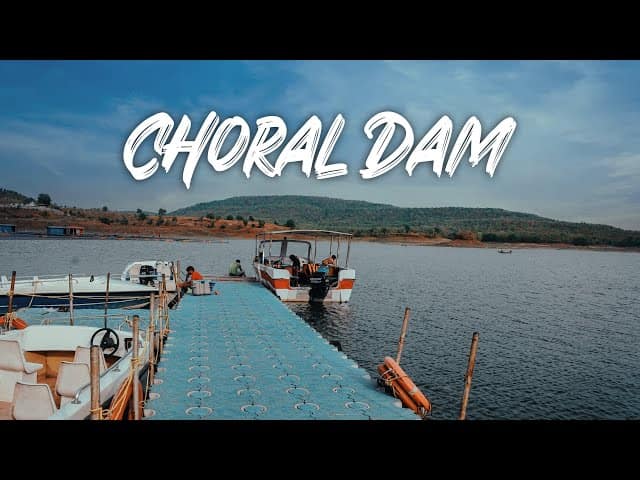
 If you live in Indore and your idea of a weekend escape means driving past Mhow into genuinely quiet countryside, Choral Dam is probably already on your radar. This isn’t a grand engineering marvel with decades of political history behind it — it’s something simpler and arguably more useful for everyday life: a working reservoir that’s turned into Indore’s favourite low-key picnic spot, complete with boating, a lakeside resort, and sunsets that regularly show up on local Instagram feeds. Here’s everything worth knowing before you plan your trip.
| Detail | Information |
| River | Choral River, a tributary of the Narmada River |
| Location | Near Mhow, Indore district, Madhya Pradesh |
| Distance from Indore | Around 40–52 km (sources vary by route) |
| Distance from Mhow | About 10 km |
| Nearest Railway Station | Indore Junction |
| Nearest Airport | Indore Airport, around 45 km away |
| Dam Type | Earthen dam |
| Primary Purpose | Irrigation and drinking water supply |
| Popular Activities | Boating, picnicking, photography, camping |
| Visiting Hours | Generally 9:00 AM to 6:00 PM |
| Entry Fee | Free (around ₹10 per some visitor reports) |
| Boating Cost | Around ₹130 per person for a short ride |
| Best Time to Visit | July to November, or May to August depending on source |
Where Choral Dam Is Located
Choral Dam sits near Mhow, roughly 40 to 52 kilometres from Indore city, depending on the exact route you take. Distances reported across different sources vary a little, but most visitors treat it as a comfortable half-day to full-day trip from Indore, with the drive itself passing through genuinely scenic Malwa Plateau countryside.
Indore Airport and Indore Junction railway station both serve as the main transport hubs for visitors coming from outside the region, with rental taxis readily available for the final stretch to the dam. The road to Choral Dam is generally described as good, with light traffic making for a relaxed drive rather than a stressful one.
The River Behind This Reservoir
The dam is built across the Choral River, a tributary of the sacred Narmada River, one of India’s most significant waterways. The Choral River itself originates in the Vindhyachal Range within Indore district and flows northeast from the hills, eventually contributing its water to the larger Narmada system.
This connection to the Narmada gives the dam a certain regional importance beyond just its recreational value — the water stored here plays a genuine role in supporting irrigation and drinking water needs for small towns and villages in this part of Madhya Pradesh that depend on the reservoir.
A History Rooted in Practical Water Needs
Choral Dam’s origin story is considerably less documented than many of India’s larger, more historically significant dams, and sources genuinely differ on its exact construction timeline, with some citing development in the 1970s and others pointing to a later date around 2005. What’s consistent across all sources, though, is its original purpose — providing irrigation water and drinking supply to nearby communities in the Indore and Mhow region.
Like many smaller dams across India, Choral’s story followed a familiar pattern. It started as purely functional infrastructure serving local agricultural and water needs, and over time, word-of-mouth recommendations from Indore locals gradually transformed it into a beloved weekend getaway. As visitor numbers grew, small eateries, guest houses, and a proper resort developed around the site, turning what was once a quiet utility reservoir into one of the more complete picnic destinations near Indore today.
What Makes Choral Dam Worth the Drive
The setting here is genuinely the main draw. Lush green trees and low hills surround the reservoir, creating a peaceful, almost secluded atmosphere that feels considerably removed from Indore’s city bustle despite the relatively short drive. Sunrise and sunset are consistently highlighted by visitors as the best times to experience the dam, with the changing sky colours reflecting beautifully across the calm water.
Boating remains the centrepiece activity, with both speedboats and paddle boats available through a boat club at the site. Visitor reports mention short rides of around 15 minutes costing roughly ₹130 per person, typically requiring a minimum group size to start, with safety jackets provided and mandatory for all riders. Beyond boating, the surrounding area supports birdwatching, with herons, egrets, kingfishers, and cormorants commonly spotted around the water, along with occasional trekking opportunities into the nearby hills and forests for visitors wanting a bit more activity.
Food, Facilities, and What to Expect
A resort near the dam offers a comfortable base for those wanting to extend their visit, along with a restaurant serving both vegetarian and non-vegetarian food, including fish dishes given the reservoir’s fishing activity. Visitor feedback on hygiene and maintenance has been mixed over the years, with some describing the food zone and boating area as well-organised, while others have flagged room for improvement, so it’s worth setting reasonable expectations rather than anticipating a highly polished, resort-level experience throughout.
Most visitors report spending anywhere from a few hours to a full day here, with 6 to 8 hours generally considered more than sufficient to cover boating, a relaxed picnic, and a walk around the dam’s surroundings. Many combine their Choral Dam trip with a stop at Patalpani Falls, a nearby waterfall that pairs naturally with the dam given their proximity to each other.
Timings and Entry Details
Most sources place general visiting hours between 9:00 AM and 6:00 PM daily. Entry is generally free, though some visitor accounts mention a nominal fee of around ₹10, so it’s worth confirming the current policy on arrival rather than assuming either way. Boating charges apply separately from any entry fee, with pricing depending on the type of boat and duration of your ride.
Best Time to Plan Your Visit
Sources differ somewhat on the ideal visiting window, with some recommending July through November to catch the reservoir at its fullest following monsoon rainfall, and others suggesting May through August for pleasant weather overall. What’s consistent is that visiting during or right after monsoon rewards you with the most scenic version of the dam, with surrounding hills turning a vivid green and water levels considerably higher than during the drier months. If you’re specifically chasing lush surroundings and a full reservoir, planning your trip for the post-monsoon stretch genuinely makes the biggest visual difference.
Frequently Asked Questions
Q1. Is Choral Dam suitable for a family day trip with young children?
Yes, genuinely well suited. Visitor reports specifically mention comfortable experiences with toddlers and young kids, with boat rides providing mandatory safety jackets and the overall pace of the visit being relaxed rather than adventure-heavy.
Q2. How much time should I plan for a Choral Dam visit from Indore?
Most visitors find 6 to 8 hours sufficient to cover the drive, boating, a picnic, and some time exploring the surroundings, making it comfortably manageable as a single-day trip rather than requiring an overnight stay.
Q3. Can I combine Choral Dam with other nearby attractions in one trip?
Yes, Patalpani Falls is a popular pairing given its proximity, and several visitors specifically recommend clubbing both destinations into a single day trip from Indore for a fuller outing.
Q4. Is boating always available at Choral Dam, and does it require a minimum group size?
Boating is generally available during standard visiting hours, though some visitor reports mention requiring a minimum number of people, often around 10, before a boat ride can start. It’s worth checking current group requirements on arrival, especially if you’re travelling with a smaller party.