 By Sanjeev Sinha
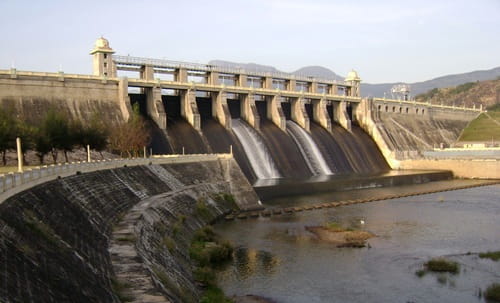
 If you’ve ever wondered where South India’s largest wild-breeding population of mugger crocodiles actually lives, Amaravathi Dam is your answer. This isn’t your typical picnic-and-boating reservoir — it’s a working irrigation dam tucked inside a wildlife sanctuary, home to nearly a hundred crocodiles at its adjoining farm, and framed by two of Tamil Nadu’s most dramatic hill ranges. If you’re planning a trip through Tirupur district or extending a Munnar visit toward Tamil Nadu, here’s everything worth knowing.
Quick Overview
| Detail | Information |
| River | Amaravathi River, longest tributary of the Kaveri |
| Location | Amaravathinagar, 25 km south of Udumalpet, Tirupur district, Tamil Nadu |
| Distance from Udumalpet | 25 km |
| Distance from Pollachi | Around 50 km |
| Distance from Coimbatore | Around 90–91 km |
| Distance from Marayoor, Kerala | Around 36 km |
| Situated Within | Indira Gandhi Wildlife Sanctuary and National Park |
| Built | 1957, during K. Kamaraj’s administration |
| Reservoir Area | 9.31 sq. km |
| Reservoir Depth | 33.53 metres |
| Storage Capacity | Shrunk from 4 TMC to around 3 TMC due to siltation |
| Power Generation | 4 MW hydroelectric capacity |
| Nearby Attraction | Amaravathi Sagar Crocodile Farm (established 1976) |
| Crocodile Population | Around 98 in captivity, plus significant wild population |
| Visiting Hours | 9:00 AM to 6:00 PM |
| Best Time to Visit | Monsoon and immediately after, for higher water levels |
Where Amaravathi Dam Is Located
Amaravathi Dam sits at Amaravathinagar, roughly 25 kilometres south of Udumalpet along SH 17, within the boundaries of the Indira Gandhi Wildlife Sanctuary and National Park in Tirupur district. Its location makes it a genuinely flexible stop, reachable from multiple directions — around 50 kilometres from Pollachi, 90 to 91 kilometres from Coimbatore, and just 36 kilometres from Marayoor across the Kerala border, making it a popular add-on for travellers already exploring the Munnar region.
Regular buses connect Amaravathinagar to Pollachi via Udumalpet, with additional connections available directly from Udumalpet town, so reaching the dam without a private vehicle is genuinely manageable.
The River Behind This Wildlife-Rich Reservoir
The dam is built across the Amaravathi River, which holds the distinction of being the longest tributary of the Kaveri River at 282 kilometres. The river originates at the Kerala-Tamil Nadu border, at the base of the Manjampatti Valley between the Anaimalai and Palni Hills, before descending northward through the Amaravathi Reservoir itself.
Beyond the main dam, the river is fed by several tributaries including the Chinnar, Thennar, and Pambar rivers flowing in from Kerala, along with the Kallapuram River joining near Udumalaipettai. Eventually, after passing through Dharapuram and Aravakurichi, the Amaravathi meets the Kaveri at Thirumukkudalur, close to Karur. Along its full course, this river system irrigates over 60,000 acres of farmland across Tiruppur and Karur districts, making it a genuinely vital agricultural lifeline for this part of Tamil Nadu.
A History Rooted in Kamaraj-Era Development
Amaravathi Dam was constructed in 1957, during K. Kamaraj’s tenure as Chief Minister of Tamil Nadu, positioned about 25 kilometres upstream and south of the older Thirumoorthy Dam. Its primary purpose from the outset was straightforward — provide irrigation and flood control for the surrounding agricultural belt, addressing genuine water security needs in a region that depended heavily on this river system.
By the early 2000s, the dam had taken on an additional role, supplying more than 40 percent of Tirupur’s power needs at one point, following the installation of a 4 MW hydroelectric station proposed by the Tamil Nadu Electricity Board during 2003-04. This addition genuinely expanded the dam’s usefulness well beyond its original irrigation and flood-control mandate.
An Unexpected Fisheries Success Story
Here’s a genuinely interesting detail from the dam’s history. Non-indigenous tilapia fish were introduced into the reservoir during the 1950s, and this single decision transformed Amaravathi into Tamil Nadu’s highest fish-yielding reservoir by the 1970s. Even today, tilapia makes up a substantial share of the catch here, with local fishermen reportedly netting over 20 kilograms of fish daily, a genuinely productive yield that continues supporting local livelihoods decades after the species was first introduced.
Why Amaravathi Is Genuinely Famous for Crocodiles
This is easily the dam’s most distinctive feature. The reservoir and its surrounding catchment basin host South India’s largest wild-breeding population of mugger crocodiles, a genuinely significant ecological distinction for any Indian water body. Just a kilometre before the main dam site sits the Amaravathi Sagar Crocodile Farm, established in 1976 as the largest crocodile nursery in India.
This facility currently maintains around 98 crocodiles in captivity, roughly 25 males and 73 females, managed by three Forest Department personnel. What makes this genuinely important beyond tourism is its conservation role — eggs are collected from wild nests around the reservoir’s perimeter, hatched and reared at the farm, and many adult crocodiles have subsequently been reintroduced back into the wild, making this a genuine breeding and conservation programme rather than just a display facility.
What There Is to See and Do
The dam itself features a well laid-out park with a genuinely rewarding, if steep, climb up stairs to the dam’s crest. From the top, you get sweeping views north across the plains below, and south toward the dramatic backdrop of the Anaimalai and Palni Hills, a view that consistently ranks among visitors’ favourite parts of the trip.
Beyond the crocodile farm, the reservoir itself doesn’t offer extensive additional activities — several visitor reviews specifically note there’s “not much to do” beyond appreciating the scenery and observing the crocodiles and fish, which makes this destination better suited to nature lovers and photographers than those seeking adventure activities or heavy recreational infrastructure.
Given its location within the Indira Gandhi Wildlife Sanctuary, this area also connects naturally to broader eco-tourism circuits, with attractions like Thirumoorthy Dam, Topslip Tiger Forest, Grass Hills, and Kukkal Caves all reasonably accessible for those extending their trip further into the region.
Practical Realities Worth Knowing
There’s genuinely no shelter or seating available at the dam itself, so carrying a portable chair, mat, or blanket makes a real difference if you’re planning to spend extended time enjoying the view. Given how exposed the site is, a hat and sunscreen are essential, particularly since daytime temperatures here can climb considerably.
It’s also worth noting honestly that siltation has reduced the dam’s storage capacity by roughly 25 percent over the decades, dropping from an original 4 TMC to around 3 TMC, an ongoing challenge for water management in the region that reflects a genuine, unresolved sustainability concern rather than a settled historical footnote.
Timings and Entry Details
Both the park and the crocodile farm operate from 9:00 AM to 6:00 PM daily. Public access to the dam structure itself may face restrictions for security reasons at times, though the surrounding park, viewpoints, and crocodile farm remain consistently open to visitors during these hours.
Best Time to Plan Your Visit
Monsoon season and the months immediately following are genuinely the best time to visit, since water levels drop considerably during summer, reducing both the visual impact of the reservoir and, according to some visitor accounts, the frequency of crocodile sightings. Visiting when the reservoir sits fuller gives you a considerably more rewarding experience of both the dam’s scenic value and its wildlife.
Frequently Asked Questions
Q1. Is it safe to visit Amaravathi Dam given the crocodile population?
Yes, generally. Visitors observe crocodiles from designated viewing areas at the crocodile farm and safe vantage points around the reservoir rather than direct contact, and Forest Department staff manage the facility with appropriate safety protocols in place.
Q2. Why does water level affect crocodile sightings at Amaravathi Dam?
During summer, when reservoir levels drop significantly, crocodiles tend to be less visible or active compared to monsoon and post-monsoon periods when water levels are higher, making this the more rewarding season for wildlife spotting.
Q3. What should I carry for a comfortable visit to Amaravathi Dam?
A portable chair or mat is genuinely useful since there’s no seating or shelter at the dam itself. A hat, sunscreen, and drinking water are equally important given how exposed and warm the site can get during the day.
Q4. Can I combine Amaravathi Dam with a Munnar or Marayoor trip?
Yes, easily. The dam sits just 36 kilometres from Marayoor across the Kerala border, making it a genuinely convenient stop for travellers extending their Munnar itinerary into Tamil Nadu’s Tirupur district.