 By Sanjeev Sinha
 Ask anyone who’s driven the Pollachi-Valparai route about their favourite stop along the way, and there’s a solid chance Aliyar Dam comes up. It’s the kind of place that breaks up a long ghat drive perfectly — mountains on three sides, a calm reservoir, and enough recreational spots to keep both kids and adults entertained for a couple of hours. But beyond the picnic appeal, Aliyar Dam plays a genuinely important role for the region, feeding irrigation systems and generating hydroelectric power that supports communities across the Coimbatore belt. Here’s a complete, practical guide before you plan your visit.
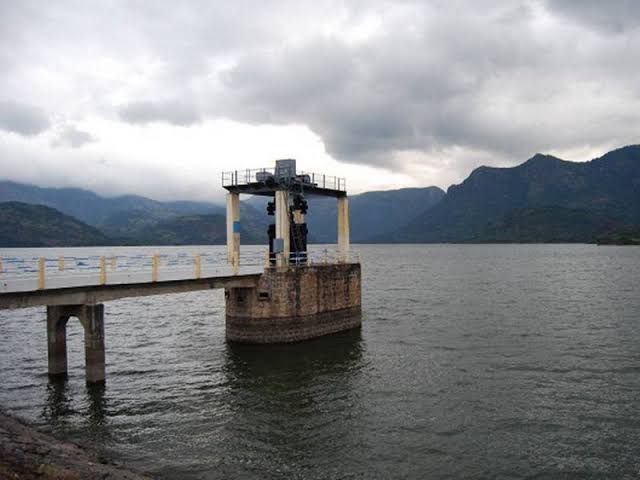
Quick Overview
| Detail | Information |
| River | Aliyar River |
| Location | Aliyar village, Coimbatore district, Tamil Nadu |
| Distance from Pollachi | Around 20–25 km |
| Distance from Valparai | Roughly 42–43 km |
| Distance from Coimbatore | About 65 km |
| Dam Type | Earthen dam |
| Constructed | 1959–1969 |
| Inaugurated | 2 October 1962, by Prime Minister Jawaharlal Nehru |
| Hydroelectric Power Commissioned | 2002 |
| Dam Height | Around 81 metres |
| Reservoir Area | About 6.48 sq. km |
| Primary Purpose | Irrigation, later expanded to hydroelectric power generation |
| Managed By | Tamil Nadu Fisheries Corporation (park and recreational facilities) |
| Visiting Hours | Generally 8:00 AM to 6:00 PM (some sources cite 9:00 AM starts) |
| Entry Fee | Roughly ₹10–₹30 per person; camera and boating charged separately |
| Best Time to Visit | Monsoon months, June to September |
Where Aliyar Dam Is Located
Aliyar Dam sits at the foothills of Valparai, right within the Anaimalai Hills of the Western Ghats, roughly 20 to 25 kilometres from Pollachi town. Its location makes it a natural stopping point for anyone travelling the scenic Pollachi-Valparai road, whether you’re heading up into the hill station or coming back down after a stay there.
Regular buses run from Pollachi to Aliyar, making it accessible even without private transport, though most visitors combine it with a broader day trip covering nearby attractions along the same route. If you’re coming from Coimbatore, expect roughly a 65-kilometre drive, which comfortably fits into a half-day excursion.
The River Behind This Reservoir
The dam is built across the Aliyar River, a waterway that plays a meaningful role in irrigating farmland across the Pollachi and surrounding Coimbatore district. Positioned at the base of the Anaimalai range, the dam captures water flowing down from the Western Ghats, creating a reservoir that stretches across roughly 6.48 square kilometres.
What makes the setting particularly striking is the surrounding topography — mountains flank the reservoir on nearly three sides, giving visitors panoramic views that feel distinctly different from flatland dams elsewhere in Tamil Nadu.
A Brief History of Aliyar Dam
Construction on Aliyar Dam ran from 1959 to 1969, making it one of the earlier post-independence irrigation projects in this part of Tamil Nadu. The dam was formally inaugurated on 2 October 1962 by Prime Minister Jawaharlal Nehru, even while portions of construction work were still ongoing, reflecting how significant this project was considered for the region’s agricultural future.
For its first several decades, Aliyar functioned purely as an irrigation dam, supporting farmland across the Pollachi belt. That changed in 2002, when the dam was upgraded to also generate hydroelectric power, adding an energy component to its existing role in water management. This dual function — irrigation plus power generation — is fairly common among Tamil Nadu’s larger reservoirs, but Aliyar’s scenic Western Ghats backdrop is what sets it apart from most of them.
What You Can Actually Do at Aliyar Dam
The area surrounding the dam has been developed into a proper recreational complex, maintained by the Tamil Nadu Fisheries Corporation. This includes a well-kept garden, a small aquarium, a mini theme park, and a play area, making it a genuinely solid choice for family outings rather than just a quick photo stop.
Boating remains one of the most popular activities here, typically running from around 9:00 AM to 5:30 PM daily, with separate charges for adults and children. Climbing to the top of the dam rewards visitors with sweeping views of the Anamalai range on one side and coconut groves stretching out on the other — though be prepared for a reasonable number of steps to get there, and note that access to the dam top has occasionally been restricted in recent years, so it’s worth checking current status on arrival.
A government-run outlet near the dam is known for serving fresh fish fry, a detail many visitors specifically recommend trying, and there are usually small roadside food stalls near the entrance if you haven’t packed your own snacks.
Timings and Entry Fees
Most sources place general visiting hours between 8:00 AM and 6:00 PM, though some list a slightly later 9:00 AM start. Entry fees are modest, typically ranging from around ₹10 to ₹30 per person, with small additional charges for carrying a mobile phone or camera into the premises. Boating costs extra, generally falling between ₹30 and ₹40 depending on age and boat type.
Given some inconsistency across sources regarding exact fees and whether dam-top access is currently open, it’s genuinely worth checking with local information or asking at the entrance when you arrive, rather than planning your entire visit around one specific detail.
Best Time to Plan Your Visit
Monsoon months, from June through September, are widely considered the best time to visit, when the reservoir fills up and the surrounding hills turn a vivid green that makes the whole setting feel considerably more dramatic. That said, the dam remains open and worth visiting through much of the year, particularly if you’re already travelling the Pollachi-Valparai route and want a scenic break along the way.
If you’re planning to continue toward Valparai afterward, it’s worth noting that fuel stations become scarce once you’re on the ghat road, so filling up in Pollachi beforehand is a sensible move.
Frequently Asked Questions
Q1. Can I combine an Aliyar Dam visit with other nearby attractions in one trip?
Yes, easily. Monkey Falls, Topslip and the Anamalai Tiger Reserve, and Masani Amman Temple are all located along the same general route, making it simple to cover multiple stops in a single day trip from Pollachi.
Q2. Is boating available throughout the year at Aliyar Dam?
Generally yes, though boating may be temporarily restricted during extremely heavy monsoon rainfall when water levels and currents become less predictable. It’s best to check on-site conditions if you’re visiting during peak monsoon.
Q3. Is Aliyar Dam suitable for a family outing with young children?
Yes, the recreational park includes a children’s play area, a small aquarium, and a mini theme park alongside the boating option, making it a well-rounded stop for families rather than just a scenic viewpoint.
Q4. What should I carry when visiting Aliyar Dam?
Since food and drink stalls near the dam itself are limited, it’s a good idea to carry your own water and snacks, along with sunscreen or a hat, since there’s minimal shelter directly at the dam site.