 By Sanjeev Sinha
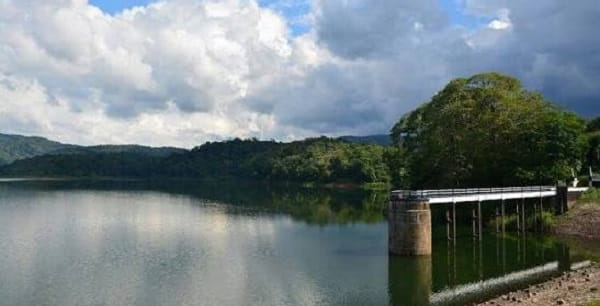
 If Peechi and Poomala feel a bit too familiar on your Thrissur dam-hopping list, Vazhani offers a genuinely different pace — a hanging bridge over still water, trekking trails deep into a wildlife sanctuary, and one of India’s oldest and largest earth dams, all without the heavier tourist footfall you’d find elsewhere. Here’s everything worth knowing before you plan your visit.
Vazhani Dam Quick Overview
| Detail | Information |
| River | Kechery River (also called Wadakkanchery river), tributary of the Bharathapuzha |
| Location | Near Wadakkanchery, Thrissur district, Kerala |
| Distance from Wadakkanchery Bus Stand | Around 9–10 km |
| Distance from Thrissur Town | Around 22 km |
| Construction Completed | 1962 |
| Dam Type | Clay-core, earth-filled dam |
| Dam Length | 792.48 metres |
| Catchment Area | 20.72 sq. km |
| Irrigation Coverage | 4,313 hectares across Thalappilly, Kunnamkulam, and Thrissur taluks |
| Status | One of the oldest and largest earth dams in India |
| Surrounded By | Peechi-Vazhani Wildlife Sanctuary (established 1958) |
| Visiting Hours | Generally 8:00 AM to 6:00 PM daily |
| Entry Fee | Around ₹20 per person |
| Best Time to Visit | October to March |
Where Vazhani Dam Is Located
Vazhani Dam sits roughly 9 to 10 kilometres from Wadakkanchery bus stand, and about 22 kilometres from Thrissur town, tucked into the forested foothills that mark the edge of Kerala’s Western Ghats. This makes it an easy day trip whether you’re based in Thrissur city or exploring the wider district.
Getting here is straightforward, with buses, taxis, and private vehicles all making the journey from Wadakkanchery comfortably. The final stretch takes you through genuinely scenic, forested terrain, giving you a taste of the wildlife sanctuary surroundings even before you reach the dam itself.
The River Behind This Historic Earth Dam
The dam is built across the Kechery River, also commonly called the Wadakkanchery river, which originates from the Machad Hills in the Western Ghats and eventually joins the Bharathapuzha, Kerala’s second-longest river. This positioning within a relatively compact catchment area of just 20.72 square kilometres is exactly what gives Vazhani its intimate, forest-hemmed character compared to some of Kerala’s larger, more sprawling reservoirs.
Water from this catchment doesn’t just sit decoratively behind the dam — it actively supports irrigation and drinking water needs for a genuinely significant stretch of Thrissur district, a role the dam has quietly fulfilled for well over sixty years now.
A History Rooted in Reducing Monsoon Dependence
Vazhani Dam was completed in 1962, built specifically to reduce the region’s heavy reliance on unpredictable monsoon rainfall for both agriculture and drinking water. Constructed with a clay core and earth fill rather than concrete, it stands today as one of the oldest and largest dams of its particular type in India, sharing that earthen construction approach with Wayanad’s better-known Banasura Sagar Dam.
The engineering here reflects genuinely thoughtful design for its era. The 792.48-metre-long earth embankment connects hills on either side, with protective revetment on the front face and turfed slopes at the rear, giving the structure both functional stability and a notably pleasing appearance. Reinforced cement concrete conduit supply sluices, regulated from masonry wells, sit on both flanks, while a masonry spillway with four spans and steel shutters, built directly on natural rock along the left bank, manages excess water during heavier flow periods.
What’s particularly significant is that the dam’s construction directly led to the creation of the Peechi-Vazhani Wildlife Sanctuary in 1958, established specifically to protect the catchment area and safeguard long-term water sustainability for the region, a genuinely proactive conservation decision that predates the dam’s own completion by four years.
The Economic Impact Behind the Scenery
Beyond its recreational appeal, Vazhani genuinely matters for Thrissur’s agricultural economy. The dam’s canal network irrigates over 4,300 hectares across Thalappilly, Kunnamkulam, and Thrissur taluks, supporting rice and coconut cultivation that forms a real backbone of the local farming community. Combined with its drinking water supply role, this makes Vazhani a genuinely foundational piece of infrastructure for the district, even though most visitors know it purely as a scenic weekend destination.
What There Is to See and Do at Vazhani
The hanging bridge here is genuinely the standout feature, offering sweeping views across the reservoir and the encircling hills, and it’s consistently mentioned by visitors as the most memorable single spot at the site. A four-acre garden, filled with a variety of plants and flowers, includes a dedicated children’s play area with swings and slides, making this a solid choice for families rather than just couples or solo travellers.
Walking along the dam itself or taking a boat ride, when available, lets you experience the placid reservoir waters and surrounding greenery up close. That said, boating here is occasional rather than guaranteed, so if a boat ride is a firm priority for your trip, it’s worth checking current availability in advance or considering nearby Peechi Dam instead, which offers more consistent boating operations.
Beyond the immediate dam area, Vazhani connects directly into the Peechi-Vazhani Wildlife Sanctuary’s network of trekking trails, including Moodal Hill Hiking, Dam Valley, Bison Trail, and the intriguingly named Elephant Saga route. These trails genuinely reward visitors willing to venture further, offering a deeper, more immersive nature experience than the dam’s immediate surroundings alone.
Sustainable Tourism at Vazhani
This is a genuinely nice detail worth knowing. Vazhani Dam has been positioned as part of Kerala’s “Green Tourism Destinations” under the Malinya Muktham Nava Keralam campaign, with ongoing efforts including solar lighting, rainwater harvesting, and garbage-free initiatives at the site. Visitors are encouraged to use provided waste bins, stick to designated trails, and avoid disturbing wildlife, reflecting a broader push toward responsible tourism in this ecologically sensitive catchment area.
Local eco-development committees and community-based tourism projects also channel visitor revenue back into local livelihoods, crafts, and conservation efforts, meaning your entry fee and any purchases at the site genuinely contribute to the surrounding community rather than disappearing into a purely commercial operation.
Practical Realities Worth Knowing
Food options directly at Vazhani include tea stalls and small eateries serving basic refreshments, along with a food court mentioned by more recent sources, though for a fuller meal, Thrissur town remains your best bet either before or after your visit. The main dam area and gardens are wheelchair-friendly, though the trekking trails naturally aren’t suited for those with mobility limitations.
Local guides are available for nature walks and sanctuary treks, which is genuinely worth considering if you’re planning to venture beyond the immediate dam area into the wildlife sanctuary’s trails, since navigating unfamiliar forest terrain is always safer with local knowledge.
Timings and Entry Details
Vazhani Dam is generally open daily from 8:00 AM to 6:00 PM, with entry priced at around ₹20 per person. Given its more relaxed, less commercialised character compared to Peechi Dam, most visitors find a couple of hours genuinely sufficient for the dam, garden, and hanging bridge, with additional time needed if you’re planning to explore the sanctuary’s trekking trails.
Best Time to Plan Your Visit
October through March offers the most comfortable weather for visiting, with pleasant temperatures suited to both the garden walks and any trekking you might add to your itinerary. That said, several regular visitors specifically note that Vazhani looks considerably more beautiful during the rainy season, when the reservoir fills and the surrounding forest turns a deeper, richer green, even if the weather itself demands a bit more planning around rain.
Frequently Asked Questions
Q: Is boating reliably available at Vazhani Dam?
A: Not consistently. Boating here is occasional rather than a guaranteed activity, so if this is a priority for your trip, it’s worth checking current availability in advance or considering nearby Peechi Dam, which offers more regular boating operations.
Q: How is Vazhani Dam different from Peechi Dam nearby?
A: Vazhani is generally quieter and less commercially developed, with a stronger emphasis on trekking trails through the adjoining Peechi-Vazhani Wildlife Sanctuary, while Peechi tends to offer more consistent boating and a slightly busier, more developed visitor experience.
Q: Are the trekking trails at Vazhani suitable for beginners?
A: Trails like Moodal Hill Hiking and Bison Trail vary in difficulty, and since they run through genuine forest terrain within a wildlife sanctuary, it’s advisable to go with a local guide, particularly if you’re not experienced with hiking in dense, less-marked forest environments.
Q: What should I know about visiting Vazhani responsibly given it’s a wildlife sanctuary catchment?
A: Stick to designated trails, use the provided waste bins rather than littering, and avoid disturbing wildlife, since the dam falls under Kerala’s Green Tourism Destinations initiative focused on sustainable, low-impact visitor practices in this ecologically sensitive area.