 By Sanjeev Sinha
 Ask anyone from Ranchi about the best weekend drive near the city, and Patratu Valley comes up almost immediately. The road itself has become something of a local legend, winding through hills and forest with viewpoints that regularly show up on Instagram. At the heart of that valley sits Patratu Dam, a reservoir that’s spent over six decades quietly powering one of Jharkhand’s major thermal plants while slowly turning into one of the state’s most photographed getaways. Here’s everything worth knowing before you plan your trip.
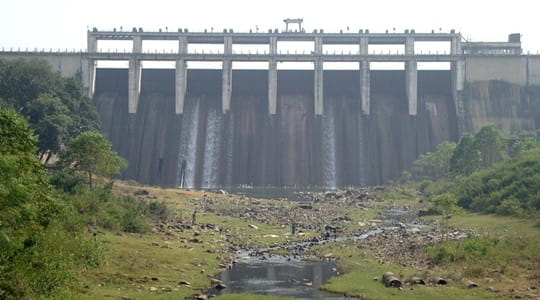
Quick Overview
| Detail | Information |
| River | Nalkari River, a tributary of the Damodar River |
| Location | Patratu, Ramgarh district, Jharkhand |
| Distance from Ramgarh | Around 20–30 km |
| Distance from Ranchi | About 28–40 km |
| Nearest Railway Station | Patratu Railway Station |
| Nearest Airport | Birsa Munda Airport, Ranchi |
| Commissioned | Various sources cite 1960, 1962, and 1968 |
| Dam Type | Earthfill dam |
| Gross Storage Capacity | Around 108.6 million cubic metres |
| Catchment Area | About 212.38 sq. km |
| Primary Purpose | Water supply to Patratu Thermal Power Station and Ramgarh Cantonment |
| Boating Started | 14 January 2010 |
| Best Time to Visit | October to March |
Where Patratu Dam Is Located
Patratu Dam sits roughly 30 kilometres west of Ramgarh and about 28 to 40 kilometres from Ranchi, depending on the route taken. The drive itself, particularly via Pithoria, is widely regarded as one of the most scenic short trips in Jharkhand, winding through Patratu Valley with hills and forest on either side.
A dedicated four-lane highway connects Patratu Dam to Ramgarh city, and National Highway 33 links Patratu to Ranchi as part of a broader east-west corridor, making the journey considerably smoother than it once was. Patratu Railway Station serves the town directly, with connections reaching Kolkata, New Delhi, Patna, and several other major cities, while Birsa Munda Airport in Ranchi remains the nearest air link.
The River Behind This Reservoir
The dam is built across the Nalkari River, itself a tributary of the larger Damodar River system. Beyond the Nalkari’s own flow, the reservoir also collects water from waterfalls and runoff cascading down the surrounding hills, giving it a fairly substantial catchment area of over 212 square kilometres relative to its size.
This combination of river flow and hillside runoff is exactly what allows the dam to maintain a reservoir large enough to reliably supply Patratu Thermal Power Station, one of Jharkhand’s significant power generation facilities, alongside meeting drinking water needs for the Ramgarh Cantonment area.
A History Rooted in Powering Jharkhand’s Industry
Sources vary somewhat on the exact commissioning year, with dates ranging from 1960 to 1968 depending on which record you check, though most agree the dam has been operational for well over six decades. Its original and continuing purpose was straightforward — supply reliable water to the Patratu Thermal Power Station, which itself was built with Russian collaboration back in 1962, giving the area its distinctive twin sets of chimneys, one built by a Russian firm and locally nicknamed the “Russian side,” and the other constructed by an Indian firm.
Some historical accounts also connect the dam’s early planning to Sir Mokshagundam Visvesvaraya, widely regarded as the father of modern Indian engineering, though the precise extent of his direct involvement in this specific project isn’t entirely clear across all sources, so it’s worth treating that connection as part of local lore alongside documented engineering history.
Over the decades, the dam has faced genuine maintenance challenges, particularly reservoir sedimentation. Its live storage capacity reportedly dropped from an original 101.95 million cubic metres to around 89.96 million cubic metres by 2012, a loss attributed to siltation rates running well above the dam’s original design expectations. This has prompted ongoing monitoring and desilting recommendations in recent years, including mechanical excavation and flood-based flushing techniques.
What Makes Patratu Dam Worth Visiting
Beyond its industrial role, Patratu Dam has developed a genuine reputation as a scenic escape. Sunrise here is particularly memorable, with visitors often mentioning glimpses of fish leaping near the water’s surface as the sun comes up. Winter brings an added bonus in the form of migratory birds arriving from as far as Siberia, making this a rewarding stop for birdwatchers during the cooler months.
There’s also a curious, slightly mysterious detail tied to this dam — an underground tunnel once connected two nearby villages, Labga and Hariharpur, running beneath the dam itself. This route has since been closed off for security reasons, but it remains a point of local fascination and adds an interesting layer to the site’s history.
Boating has been available here since January 2010, and it remains the dam’s primary recreational draw, with options ranging from simple pleasure rides to boats arranged specifically for parties, weddings, or fishing trips. The surrounding forests are also home to a genuinely diverse range of wildlife, including deer, wild boar, foxes, and even reports of leopards and elephants in the wider forest area, alongside domestic animals in the nearby villages.
Cultural and Religious Significance
Adjacent to the dam stands the Panchawahini Temple, an ancient shrine holding genuine religious significance for local communities. During monsoon, when the dam’s water levels peak, nearby residents reportedly perform traditional rituals and offerings to the river, invoking blessings for agricultural prosperity and protection from flooding, a practice that reflects how deeply this dam is woven into local cultural life rather than functioning purely as infrastructure.
What There Is to Do at Patratu Dam
A well-known viewpoint along the approach road offers one of the most photographed vistas in the entire valley, capturing the dam and surrounding hills in a single sweeping frame. For those wanting to stay overnight, Sarovar Vihar, a Jharkhand Tourism-run lodge, and the privately operated Patratu Lake Resort both offer accommodation near the dam, letting visitors extend their trip beyond a quick day outing.
Environmental conservation efforts have also picked up pace in recent years, with the Forest Department planting bamboo, Gulmohar, and medicinal trees like neem and teak around the dam under government afforestation schemes, alongside stricter measures to prevent pollution and control waste disposal near the water.
Timings and Practical Details
Most sources describe Patratu Dam as accessible throughout the day without a strictly enforced closing time, though visiting during daylight hours is naturally recommended for both safety and better views. Boating services typically operate during standard daytime hours, and it’s worth checking current rates and availability on arrival, since options and pricing can vary depending on the type of ride you’re after.
Best Time to Plan Your Visit
October through March offers the most comfortable weather for exploring the dam and valley, with January in particular drawing the largest crowds for winter picnics. Summer can bring uncomfortable heat that makes extended outdoor time less appealing, while monsoon season, though visually dramatic with the reservoir filling up, can complicate travel due to rain along the valley roads.
Frequently Asked Questions
Q1. Is the underground tunnel near Patratu Dam open to visitors?
No, the tunnel that once connected the villages of Labga and Hariharpur beneath the dam has been closed for security reasons, so it’s not currently accessible to tourists.
Q2. What kind of boating options are available at Patratu Dam?
A range of options exist, from casual pleasure rides to boats arranged for parties, weddings, or fishing trips, with life jackets provided as standard safety equipment.
Q3. Is Patratu Dam a good spot for birdwatching?
Yes, particularly during winter, when migratory birds arrive from cold regions as far as Siberia, making the reservoir a genuinely rewarding stop for birdwatchers during that season.
Q4. Are there accommodation options available near the dam for an overnight stay?
Yes, both the Jharkhand Tourism-run Sarovar Vihar and the privately operated Patratu Lake Resort offer stays near the dam, making it easy to extend your visit beyond a single day trip.