 By Sanjeev Sinha
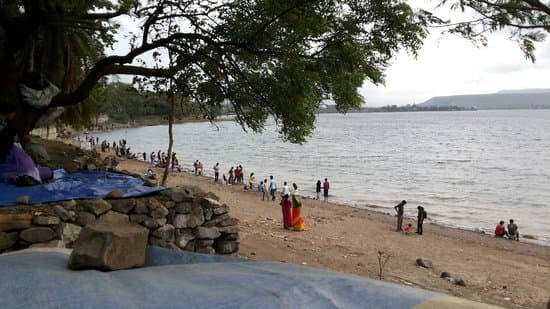
 Ask any Punekar where they went for their first monsoon outing as a kid, and there’s a solid chance the answer is Khadakwasla. Locals affectionately call it “Pune Chowpatty,” and honestly, the nickname fits — it’s got the same evening-crowd energy, the same rows of snack stalls, and the same easy, no-fuss charm that makes it a go-to spot rather than a once-in-a-while destination. But beyond the picnic vibe, Khadakwasla Dam is genuinely important — it’s one of the main reasons Pune city gets reliable drinking water every single day. Here’s everything worth knowing before you head there.
Quick Overview
| Detail | Information |
| River | Mutha River |
| Location | Khadakwasla village, near Sinhagad Road, Pune district, Maharashtra |
| Distance from Pune City | Around 18–21 km |
| Nearest Railway Station | Pune Junction, about 20 km away |
| Nearest Airport | Pune International Airport, roughly 25 km away |
| Construction Started | 1869, under Captain Fife of the British army |
| Originally Known As | Fife Lake (until 1947) |
| Dam Length | About 1.6 km |
| Dam Width | Around 250 metres |
| Reservoir Name | Khadakwasla Lake |
| Reservoir Length | Roughly 22 km |
| Major Historical Event | Dam breach in 1961 due to Panshet Dam flood; later rebuilt |
| Local Nickname | Pune Chowpatty |
| Visiting Hours | Generally 6:00 AM to 6:00 PM (some sources cite 9 or 10 AM starts) |
| Entry Fee | Free |
| Best Time to Visit | Monsoon season, July to February for lush surroundings |
Where Khadakwasla Dam Is Located
Khadakwasla Dam sits close to Khadakwasla village, off Sinhagad Road, roughly 18 to 21 kilometres from Pune’s city centre. It’s positioned in a way that makes it easy to combine with a Sinhagad Fort visit, since the dam essentially sits along the route many travellers take toward the fort anyway.
There are a few different ways to get here depending on where you’re starting from in Pune. The shortest route runs via Sinhagad Road and the Kudje-Khadakwasla Link Road, while alternate paths through Karve Road via Kothrud, or NH 60 via Katraj, also work well depending on traffic. Public transport options exist too, with PMPML buses running toward Khadakwasla Gaon, from where a short auto-rickshaw ride gets you the rest of the way.
The River That Feeds Pune’s Water Supply
Khadakwasla Dam is built across the Mutha River, which itself forms from the confluence of the Ambi and Mose rivers — the same rivers that feed the Panshet and Varasgaon Dams respectively, located a little further upstream. Water also flows in from Temghar Dam, situated about 15 kilometres north.
Together, these four dams — Khadakwasla, Panshet, Varasgaon, and Temghar — form the backbone of Pune’s drinking water system. Khadakwasla is essentially the final major checkpoint in this chain, regulating water before it reaches the city, which is exactly why any conversation about Pune’s water security inevitably circles back to this dam.
A History Shaped by Drought and Disaster
The story of Khadakwasla Dam begins with a crisis. A severe drought hit the eastern parts of Pune, prompting the British administration to commission a reliable water source for the city. Captain Fife of the British army took charge of the project, and construction began in 1869. For decades afterward, locals referred to the reservoir as Fife Lake, a name that stuck right up until 1947, when it understandably gave way to more localised naming after independence.
The most dramatic chapter in the dam’s history, though, came much later. In 1961, the neighbouring Panshet Dam suffered a catastrophic failure, and the resulting surge of water overwhelmed Khadakwasla, breaching the dam and sending floodwaters straight into Pune city. The disaster caused widespread destruction and remains one of the most significant flood events in the city’s modern history. Khadakwasla was subsequently rebuilt in the years that followed, with reinforced engineering designed to prevent a repeat of that failure, and it has functioned as one of Pune’s primary water sources ever since.
What Makes Khadakwasla Worth Visiting Today
Functionally, the dam has 11 radial-type sluice gates along with six irrigation outlets that feed into two canals, regulating water flow for both the city’s drinking supply and agricultural use in surrounding areas. But for most visitors, the real draw isn’t the engineering — it’s the atmosphere.
Evenings here have a genuinely festive quality, especially during monsoon, when families and groups gather along the embankment to watch sunset colours reflect off the water while snacking on corn, bhel, and other classic Pune street food. Morning visitors get a completely different experience — a quieter, mist-covered lake that’s ideal for photography and a peaceful walk, well before the crowds show up.
Nearby, Sinhagad Fort remains the most popular add-on to a Khadakwasla visit, along with spots like Peacock Bay and Neelkanteshwar Hill for those wanting a slightly longer day out. The National Defence Academy and the Central Water and Power Research Station are also situated close by, though photography restrictions apply near these defence-related establishments.
Timings and Entry: What You Should Actually Expect
Here’s where it gets a little inconsistent across sources — opening hours for Khadakwasla Dam range anywhere from 6:00 AM to 6:00 PM, with some listings suggesting a later 9 or 10 AM start instead. What’s consistent, though, is that there’s no entry fee to access the dam or its surrounding viewpoints, making it a genuinely budget-friendly outing regardless of when you go.
Given this variation in listed timings, it’s worth checking locally or with a Pune-based cab service before planning your trip around a specific arrival time, especially if you’re aiming for a sunrise or sunset visit.
Safety Notes Worth Taking Seriously
Entering the water at Khadakwasla is officially prohibited, and this isn’t a minor formality — currents can shift unpredictably, especially once the gates open during monsoon season. Even though it’s common to spot locals wading in occasionally, it’s genuinely best to avoid doing the same yourself. Visitors are also advised to stay clear of dam structures, avoid restricted zones near defence installations, and keep a close eye on children near the embankment at all times.
Best Time to Plan Your Visit
Monsoon season, stretching from July through the early months of the following year, brings Khadakwasla to life the most, with full reservoirs, lush green hills, and the added spectacle of water rushing through the spillways when gates are opened. Winter mornings offer a calmer, cooler alternative if you’re not chasing the monsoon crowd, while summer is generally best avoided given Maharashtra’s rising daytime temperatures during that period.
Frequently Asked Questions
Q1. Is swimming or entering the water allowed at Khadakwasla Dam?
No, entering the water is officially prohibited due to unpredictable currents, especially when the dam’s gates are opened during monsoon. It’s best to admire the views from the embankment rather than stepping in.
Q2. Why is Khadakwasla Dam sometimes called “Pune Chowpatty”?
The nickname comes from its lively evening atmosphere, with families gathering along the water’s edge for snacks and sunset views, much like the beachside chowpatty culture seen in Mumbai.
Q3. Can I combine a Khadakwasla Dam visit with Sinhagad Fort in one day?
Yes, easily. The dam sits along the route toward Sinhagad Fort, and most visitors club both destinations into a single day trip from Pune without much extra travel time.
Q4. Is photography allowed at Khadakwasla Dam?
Personal photography is generally allowed and the location offers excellent sunrise and sunset shots, but photography near defence establishments like the National Defence Academy and nearby restricted zones is prohibited.