 By Sanjeev Sinha
 If you’re planning a Wayanad trip and someone mentions watching the sunset turn an entire reservoir orange while ziplining over turquoise water sits right next door, they’re almost certainly talking about Karapuzha Dam. This isn’t just another earthen dam tucked into the Western Ghats — it’s one of the largest of its kind in India, and it’s quietly become one of Wayanad’s most complete family destinations, mixing scenery, adventure, and a genuinely useful irrigation project into one spot. Here’s everything worth knowing before you go.
Quick Overview
| Detail | Information |
| River | Karapuzha River, a tributary of the Kabini River |
| Location | Near Vazhavatta, Kalpetta, Wayanad district, Kerala |
| Distance from Kalpetta | Around 13–18 km |
| Distance from Kozhikode | About 90–92 km |
| Nearest Railway Station | Kozhikode (Calicut), roughly 90 km away |
| Nearest Airport | Calicut International Airport, about 100–104 km away |
| Dam Type | Earthen embankment dam with a concrete spillway |
| Construction Started | 1977 |
| Completed | 2004 |
| Dam Height | 28 metres |
| Dam Length | 625 metres |
| Status | One of the largest earth dams in India |
| Primary Purpose | Irrigation |
| Visiting Hours | Generally 9:00 AM to 6:00 PM, entry closes around 4:30 PM |
| Entry Fee | Around ₹30 for adults, ₹10 for children; camera fees extra |
| Best Time to Visit | October to May |
Where Karapuzha Dam Is Located
Karapuzha Dam sits near Vazhavatta, roughly 13 to 18 kilometres from Kalpetta town, depending on which route you take. Most visitors reach it via the Kalpetta-Kakkavayal road, taking a right turn toward Vazhavatta before arriving at the dam itself. It’s also conveniently close to Edakkal Caves and the Wayanad Wildlife Sanctuary, making it easy to combine with other well-known Wayanad attractions in a single day.
If you’re travelling from outside Kerala, Calicut International Airport and Kozhikode Railway Station both serve as your main gateways, each sitting roughly 90 to 105 kilometres away. From Bangalore, expect a longer haul of around 275 kilometres, typically taking six to seven hours by road via Mysore and Sulthan Bathery.
The River Behind This Reservoir
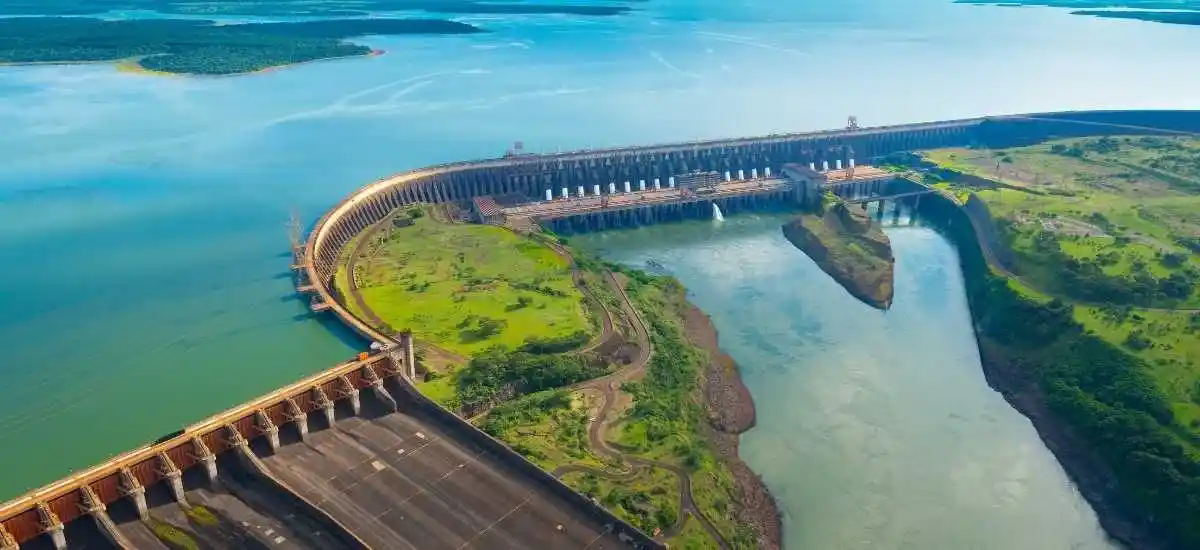
The dam is built across the Karapuzha River, a tributary that eventually feeds into the larger Kabini River system. What’s genuinely interesting about this reservoir is how it came together — rather than forming from a single water source, it’s essentially a merger of nearly a dozen smaller lakes and streams in the region, brought together through the dam’s construction into one expansive water body.
This unusual formation is part of why the reservoir looks the way it does today, with small green islands and partially submerged hills scattered across its surface, creating a landscape that feels distinctly different from most single-river dams elsewhere in India.
A History Spanning Nearly Three Decades
Construction on Karapuzha Dam began in 1977, but the project took an unusually long time to complete, finally finishing in 2004. That’s nearly 27 years from start to finish, a timeline that reflects the scale and complexity of building one of India’s largest earthen dams.
The dam’s primary purpose has always been irrigation, supporting agricultural needs across the surrounding Wayanad region. Interestingly, even years after the main structure’s completion, the left and right bank canals connected to the dam have continued to see ongoing construction work, meaning the full irrigation potential of the project has taken even longer to realise than the dam itself.
From Irrigation Project to Tourism Hub
For years after its completion, Karapuzha remained primarily a functional irrigation dam with modest tourist interest. That changed significantly between 2019 and 2021, when the Kerala Tourism Department invested heavily in developing the surrounding area into what’s now branded as Karapuzha Mega Tourism.
This transformation brought landscaped gardens, walkways, a children’s park, and most notably, a full adventure park offering activities like ziplining over the water, human slingshots, a giant swing, a space tower, and even a VR zone. What was once a purely utilitarian structure is now one of the more complete family entertainment destinations in Wayanad, combining natural scenery with genuine adrenaline-driven activities.
What There Is to Do at Karapuzha Dam
Boating remains one of the most popular ways to experience the reservoir, letting visitors glide past the small islands and partially submerged hills that give this dam its distinctive look. For those chasing more excitement, the adventure park’s zipline and giant swing are among the standout draws, with the watchtower nearby offering an especially memorable view of the dam during evening hours.
Birdwatching is genuinely rewarding here too, particularly during winter months when migratory birds frequent the islands scattered across the water. Photography enthusiasts consistently point to sunset as the best time to visit, when the sky turns shades of orange and pink that reflect beautifully across the calm reservoir surface. Families often turn a visit here into a full picnic outing, given the landscaped grounds and children’s play areas available on-site.
Timings and Entry Fees
Karapuzha Dam is generally open daily from 9:00 AM to 6:00 PM, though entry typically closes around 4:30 PM, so arriving well before that cutoff is essential if you want to make the most of your visit. Entry fees are modest, usually around ₹30 for adults and ₹10 for children under 15, with additional charges for still cameras (around ₹50) and video cameras (around ₹200).
The adventure park operates with its own separate pricing structure, with individual activities like the zipline costing around ₹390, the space tower around ₹250, and the giant swing around ₹280, so it’s worth budgeting a bit extra if you’re planning to try multiple rides.
Best Time to Visit and Practical Notes
October through May is generally considered the best window, with October to February offering lush, post-monsoon greenery and comfortable weather ideal for boating and sightseeing, while March to May brings warmer but still manageable conditions better suited for trekking and outdoor activities.
Given that parts of Wayanad have experienced landslide-related disruptions in recent years, it’s genuinely worth checking current road conditions and local travel advisories before your trip, even though Karapuzha Dam itself has generally remained accessible during such events. A quick call to local tourism offices or your accommodation can confirm current status before you set out.
Frequently Asked Questions
Q1. Is Karapuzha Dam suitable for a family day trip with kids?
Yes, genuinely well suited. Beyond the dam and boating, the adventure park includes a dedicated children’s area, trampolines, and gentler rides alongside the more thrilling activities, making it easy to plan a day that works for both kids and adults.
Q2. Do I need to book the adventure park activities in advance?
Generally no, tickets for zipline, swings, and other rides are typically available on-site, though it’s sensible to arrive earlier in the day during peak season weekends to avoid longer queues for popular activities.
Q3. How much time should I set aside for a Karapuzha Dam visit?
Two to three hours covers the dam, boating, and a walk through the gardens comfortably. If you’re planning to try several adventure park activities as well, budgeting closer to four to five hours works better.
Q4. Has recent weather or landslide activity in Wayanad affected access to Karapuzha Dam?
The dam itself has generally remained open and accessible even during periods of regional disruption, but it’s worth checking current road conditions and local advisories before travelling, since surrounding routes in Wayanad can occasionally be affected.