 By Sanjeev Sinha
 If you’re a Ranchi local looking for a sunset spot that doesn’t require a long drive out of the city, Kanke Dam is probably already on your radar. Sitting right next to the famous Rock Garden, this reservoir has been the go-to picnic and evening-walk destination for Ranchi families for decades. It’s also quietly one of the most important pieces of infrastructure in the city, supplying drinking water to nearly half the population. Here’s everything worth knowing before you visit.
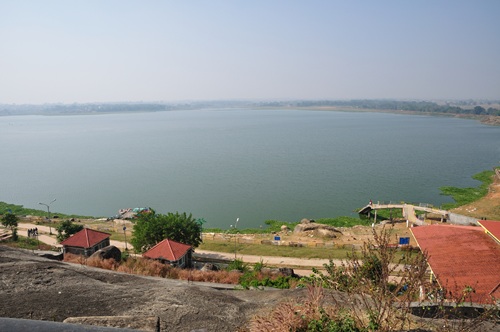
Quick Overview
| Detail | Information |
| River | Kanke River |
| Location | Kanke, at the base of Gonda Hills, Ranchi, Jharkhand |
| Distance from Ranchi Railway Station | Around 8 km |
| Distance from Birsa Munda Airport | Around 12 km |
| Constructed | British era, completed around 1954 |
| Reservoir Area | Around 8 sq. km |
| Primary Purpose | Drinking water supply and irrigation for Ranchi city |
| Population Served | Nearly half of Ranchi’s residents |
| Adjacent Attraction | Rock Garden |
| Visiting Hours | Generally sunrise to sunset |
| Boating Timings | 9:00 AM to 5:00 PM |
| Entry Fee | Around ₹10–15 per adult |
| Best Time to Visit | Winter (November to February) and monsoon for scenery |
Where Kanke Dam Is Located
Kanke Dam sits in the Kanke locality of Ranchi, right at the base of the rugged Gonda Hill range, roughly 8 kilometres from Ranchi Railway Station and about 12 kilometres from Birsa Munda Airport. Its central, easily reachable location is exactly why it’s remained such a consistently popular spot for Ranchi residents rather than a destination requiring a dedicated day trip.
Getting here is genuinely simple, with auto-rickshaws and other local public transport covering the distance easily from most parts of the city. The dam’s proximity to Ranchi’s well-known Rock Garden makes combining both destinations in a single outing the natural choice for most visitors.
The River Behind This Vital Reservoir
The dam is built across the Kanke River, and the reservoir it creates spans an impressive 8 square kilometres, overlooked by the dark, boulder-strewn Gonda hillocks that are visible even from a distance. This striking natural backdrop is part of what gives Kanke Dam its distinctive character compared to more typical urban water bodies.
Beyond its recreational appeal, this water source plays a genuinely critical role in Ranchi’s daily functioning, supplying potable water to nearly half the city’s population in surrounding areas, alongside supporting irrigation for nearby agricultural land.
A History Rooted in British-Era Infrastructure
Kanke Dam was reportedly developed during the British era, with construction completed around 1954, positioning it as one of the key infrastructural projects from that period for what would eventually become Jharkhand’s capital city. Its original and enduring purpose was straightforward — secure a reliable water source for Ranchi’s growing population, a role it continues fulfilling decades later.
Older residents recall the dam’s atmosphere quite differently from today. Some longtime visitors describe it as a spot where families would picnic 20 years ago, with Siberian cranes descending on the lake in what’s remembered as a genuinely magnificent sight. While the government has since developed a walking track for morning walkers, several visitors note that the approach road to the dam has fallen into disrepair over the years, and parts of the site have faced periods of relative neglect, a reminder that maintaining older urban water infrastructure requires ongoing attention.
Why Kanke Dam Remains Ranchi’s Favourite Retreat
What genuinely sets Kanke Dam apart isn’t elaborate infrastructure or an extensive list of activities — it’s the simplicity of the place itself. The calm waters reflecting the sky, the distant hum of city traffic fading into the background, and the reliably beautiful sunset views have made this a spot where locals come specifically to slow down and reconnect, rather than to be entertained.
Ducks gliding across the water add a touch of natural life to the scene, and the arched staircase leading down to the lake offers a genuinely panoramic view of both sunrise and sunset. In the evenings, the illuminated banks make the water shimmer, adding a gentle, atmospheric quality that’s become part of the dam’s identity among regular visitors.
What There Is to Do at Kanke Dam
Morning jogging and evening strolls along the dam’s extensive embankment rank among the most popular activities here, with the fresh air and cool breeze making for a genuinely invigorating routine, particularly favoured by health-conscious visitors during the early hours before the main tourist rush arrives.
Boating remains the central recreational draw, with paddle boats and motor-less rowing options letting visitors experience the dam’s scale from the water itself, typically running between ₹100 to ₹200 depending on the type and duration you choose. A small park nearby offers amenities for children, making this a reasonably solid choice for families as well as couples looking for a quiet evening out.
Birdwatching, while more modest than in the dam’s remembered heyday of Siberian crane sightings, still rewards patient visitors, particularly during the cooler winter months when migratory species pass through the region.
Practical Realities Worth Knowing
Food options directly at the dam are limited to small stalls selling tea and basic local snacks, so if you’re hoping for a proper meal, it’s better to plan on eating in Ranchi city either before or after your visit. Some visitors have noted that specific areas near the dam, particularly the backside close to the Rock Garden, may face restricted access after evening hours, so it’s worth being mindful of timing if you’re planning a later visit.
Bike parking facilities are available on-site, and access to certain walking areas is sometimes reserved for senior citizens during specific morning and evening windows, so it’s worth checking current arrangements if this affects your visit plans.
Timings and Entry Details
Kanke Dam operates as an open, outdoor natural site, generally accessible from sunrise to sunset without strict formal timings posted. Entry typically costs around ₹10 to ₹15 per adult, making this a genuinely affordable outing regardless of group size. Boating specifically runs from 9:00 AM to 5:00 PM, so it’s worth planning your visit within this window if a boat ride is part of your plan.
Commercial photography, professional film shooting, or large-scale video shoots require prior permission from local authorities, with fees that can run into hundreds or thousands of rupees depending on the equipment involved, so casual personal photography with a phone or handheld camera remains the simplest, cost-free option for most visitors.
Best Time to Plan Your Visit
Winter months, from November through February, offer the most comfortable weather for walking, jogging, and enjoying the dam’s scenery, with cooler temperatures making extended time outdoors genuinely pleasant. Monsoon season adds its own visual appeal too, with the surrounding hills and greenery turning notably lusher, though it’s worth taking sensible safety precautions given wetter conditions around the embankment during this period.
Frequently Asked Questions
Q1. Is Kanke Dam suitable for a quick evening visit after work?
Yes, genuinely well suited. Its close proximity to central Ranchi, combined with reliably good sunset views, makes it a popular after-work destination for locals wanting a quick, peaceful escape without travelling far.
Q2. Are there restrictions on when I can walk around Kanke Dam?
Some areas, particularly near the Rock Garden side, may restrict access after evening hours, and certain walking sections are sometimes reserved for senior citizens during specific morning and evening windows. It’s worth checking current access policies if this affects your plans.
Q3. Is boating available every day at Kanke Dam?
Boating generally operates daily between 9:00 AM and 5:00 PM, though it’s sensible to confirm current availability on arrival, especially during off-season periods or if water levels have been affected by weather conditions.
Q4. What should I carry for a comfortable visit to Kanke Dam?
Since food options nearby are limited mainly to tea and basic snacks, carrying your own water and light refreshments is a sensible backup. It’s also worth bringing cash for the modest entry fee and any boating charges, since formal ticketing infrastructure here remains fairly basic.