 By Sanjeev Sinha
 If you’ve spent any time on Kerala travel forums, you’ve probably seen misty photos of a reservoir tucked so deep into the Western Ghats that it looks almost otherworldly. That’s Kakkayam — and it’s genuinely one of Kozhikode’s best-kept secrets, sitting inside a UNESCO-recognised wildlife sanctuary while quietly powering a significant chunk of the region’s electricity grid. If you’re planning a trip beyond Kerala’s usual beach-and-backwater circuit, here’s everything worth knowing before you go.
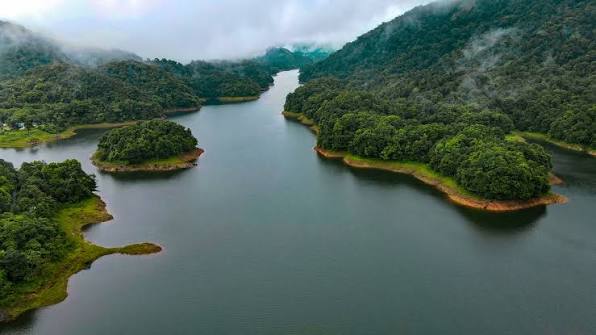
Quick Overview
| Detail | Information |
| River | Kuttiyadi River |
| Location | Koorachundu panchayat, Kozhikode district, Kerala |
| Distance from Kozhikode City | Around 55–68 km |
| Nearest Railway Station | Kozhikode Railway Station, about 55–67 km away |
| Nearest Airport | Calicut International Airport, around 73–81 km away |
| Commissioned | 1972 |
| Dam Type | Masonry gravity dam |
| Dam Height | 39.51 metres above deepest foundation |
| Dam Length | 228.60 metres |
| Reservoir Elevation | Around 750 metres above sea level |
| Storage Capacity | 38.40 million cubic metres |
| Power Generation | Installed capacity of 231.75 MW (Kuttiyadi Hydro Electric Project) |
| Surrounded By | Malabar Wildlife Sanctuary, 7,421 hectares |
| Visiting Hours | Generally 9:00 AM to 5:00 PM (some sources cite 6 AM–8 PM) |
| Entry Fee | Around ₹20–₹40 for adults; higher for foreign nationals |
| Best Time to Visit | October to March |
Where Kakkayam Dam Is Located
Kakkayam Dam sits at Koorachundu, roughly 55 to 68 kilometres from Kozhikode city, tucked right at the outskirts of the Western Ghats. Sources vary a little on exact distances depending on the route taken, but most visitors treat this as a comfortable half-day to full-day trip from Kozhikode rather than a quick errand.
The most common route runs from Calicut city via Mavoor toward Kakkayam, a drive that takes roughly two hours and passes through genuinely scenic villages and forest stretches. Along the way, many travellers stop at Peruvannamuzhi Dam, Thusharagiri Waterfalls, or Kariyathumpara, turning the journey itself into part of the experience. Kozhikode Railway Station and Calicut International Airport both serve as the nearest transport hubs, each sitting roughly 55 to 81 kilometres from the dam depending on your exact route.
The River Behind This Hydroelectric Project
Kakkayam Dam is built across the Kuttiyadi River, and it forms a key part of the larger Kuttiyadi Hydro Electric Project. Sitting at an elevation of around 750 metres above sea level, the dam’s reservoir feeds a penstock that runs down through tunnels and hills to the Kuttiyadi Main power house, which alone carries an installed capacity of 225 MW.
Water released after passing through this main power house doesn’t simply stop there. It continues through two smaller facilities, the Kuttiyadi Tail Race power house and the Kakkayam small hydroelectric project, adding a further 3.75 MW and 3 MW respectively. Eventually, this same water reaches the Peruvannamoozhi Irrigation Project downstream, meaning a single drop of water from Kakkayam potentially generates power three separate times before supporting agriculture further down the line.
A History Rooted in Kerala’s Power Needs
Kakkayam Dam was commissioned in 1972, built specifically to harness the Kuttiyadi River’s flow for hydroelectric generation as part of a broader push to secure Kerala’s growing power needs. Its masonry gravity construction, relying on the sheer mass and weight of stone and rubble set in cement mortar, was a fairly standard engineering approach in Kerala during this period, built to withstand the region’s seismic and hydrological conditions.
Unlike many multipurpose dams that balance irrigation, drinking water, and power generation simultaneously, Kakkayam was designed with a clear primary focus on hydropower. This specialisation does come with a trade-off worth understanding honestly — the dam lacks dedicated flood attenuation infrastructure, and during particularly intense monsoon rainfall, controlled water releases from Kakkayam have occasionally contributed to localized flooding risk downstream in the Kuttiyadi basin, since the reservoir’s capacity fills rapidly during the region’s heavy monsoon season.
Why Kakkayam Sits Inside a Protected Sanctuary
The dam falls within the Malabar Wildlife Sanctuary, a 7,421-hectare protected area that’s part of the broader Western Ghats UNESCO World Heritage designation. This location gives Kakkayam a genuinely rich wildlife backdrop, with elephants, bisons, deer, and wild boars all recorded in the surrounding forest, alongside a healthy variety of bird species.
Because of this sanctuary status, visiting rules here are a bit stricter than at a typical recreational dam. Permission from forest authorities is generally required before proceeding beyond certain points, and camera restrictions have applied near the dam area at various times, so it’s worth checking current rules with the forest office at the dam site before assuming full photography access.
What There Is to Do at Kakkayam
Trekking and rock climbing are genuinely the standout activities here, with routes leading to viewpoints like Kariyathan Rock offering panoramic views over the surrounding valleys and forest. The Urakkuzhi Waterfalls, located just past the dam, adds a rewarding stop for those willing to walk roughly 45 minutes from the dam site, cascading down rocky cliffs into clear pools that make for a genuinely refreshing break.
Boating has become a more organised offering in recent years, with the Kerala Handicrafts Tourism Corporation (or a similarly run local body) operating speedboats accommodating up to six people, including the driver, with pricing around ₹750 for a group of five. Bicycle rides lasting roughly 30 minutes have also been introduced from the dam site, giving visitors another way to explore the immediate surroundings beyond just walking or boating.
Timings and Entry Details
Visiting hours reported across sources vary somewhat, with some listing 9:00 AM to 5:00 PM and others citing an earlier 6:00 AM to 8:00 PM window, so it’s sensible to confirm current timings locally rather than assuming a single fixed schedule. Entry fees also differ by source, generally ranging from around ₹20 to ₹40 for Indian adults, with considerably higher charges, sometimes ₹300, applying to foreign nationals. Combined tickets covering Kakkayam Dam, the Malabar Wildlife Sanctuary, and Urakkuzhi Waterfalls are available at some entry points, simplifying the process if you’re planning to see all three in one visit.
Given the site’s forest department oversight, it’s worth carrying valid identification, since tickets and ID checks are commonly enforced at the entry point.
Best Time to Plan Your Visit
October through March offers the most comfortable conditions, with cooler weather, clearer skies, and the reservoir typically holding a healthy water level following monsoon. Early mornings and late afternoons are particularly recommended for photography and for avoiding the larger crowds that tend to build up during peak daytime hours. Monsoon season, from June through September, brings genuinely dramatic waterfalls and a lush, vivid landscape, though trekking trails can turn slippery during this period, so extra caution is warranted if you’re visiting during the rains.
Frequently Asked Questions
Q1. Do I need special permission to visit Kakkayam Dam given its location inside a wildlife sanctuary?
In many cases, yes. Since the dam sits within the Malabar Wildlife Sanctuary, forest authorities may require permission before proceeding beyond certain points, and camera restrictions have applied at various times, so it’s worth checking current rules with the forest office at the site before your visit.
Q2. Is boating available throughout the year at Kakkayam Dam?
Boating operations depend on current water levels and forest department scheduling, so while it’s a regularly available activity, it’s worth confirming current status locally, particularly if you’re visiting during the drier summer months when reservoir levels can drop.
Q3. What’s the best activity to combine with a Kakkayam Dam visit if I only have half a day?
A visit to the dam followed by the roughly 45-minute walk to Urakkuzhi Waterfalls covers the highlights well within a few hours, offering both the scenic reservoir views and a rewarding waterfall stop without requiring a full-day commitment.
Q4. Can I see wildlife like elephants during my visit to Kakkayam Dam?
It’s genuinely possible, since the surrounding Malabar Wildlife Sanctuary is home to elephants, bisons, and deer, though sightings aren’t guaranteed and depend on factors like time of day and season. Early morning visits tend to offer better chances for wildlife spotting.