 By Sanjeev Sinha
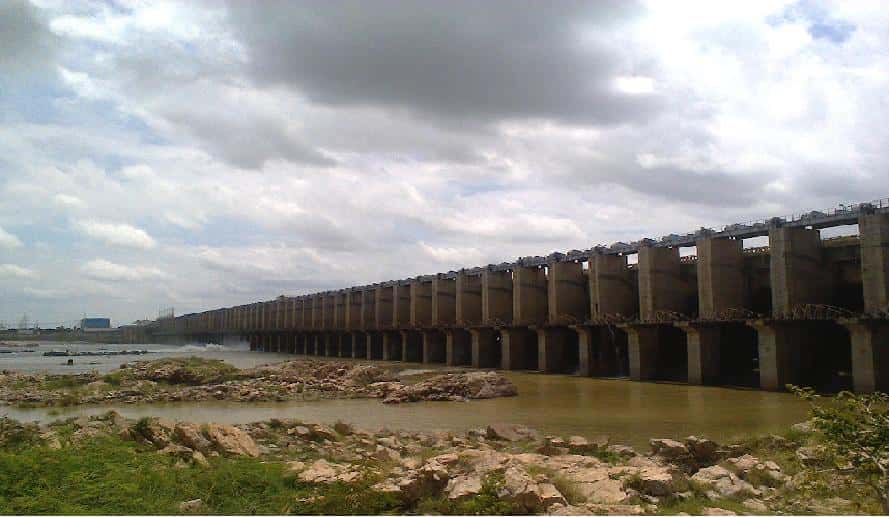
 If you’ve ever wondered how Telangana keeps water flowing to farms in one of its driest belts, Jurala Dam is a big part of that answer. This was the very first major project built on the Krishna River within Telangana, and it remains the only hydroelectric project in the state with year-round water flow, a genuinely rare feature in a region where drought has historically shaped daily life. For anyone travelling through Jogulamba Gadwal, or simply curious about the engineering quietly supporting this drought-prone belt, here’s the complete picture.
Quick Overview
| Detail | Information |
| Also Known As | Priyadarshini Jurala Project (PJP), Indira Priyadarshini Jurala Dam |
| River | Krishna River |
| Location | Near Gadwal, Jogulamba Gadwal district, Telangana (bordering Wanaparthy district) |
| Distance from Gadwal | Around 15–20 km |
| Distance from Hyderabad | Roughly 160–320 km depending on route |
| Nearest Railway Station | Gadwal, about 20–50 km away |
| Nearest Airport | Rajiv Gandhi International Airport, Hyderabad |
| Completed | 1995 |
| Status | First major dam built on the Krishna River in Telangana |
| Dam Type | Composite structure with gravity masonry wall and earthen embankments |
| Dam Height | Around 40 metres |
| Dam Length | Over 1 kilometre (some sources cite around 4 km including embankments) |
| Spillway Gates | Around 62 radial gates |
| Power Generation | 234 MW capacity |
| Full Reservoir Level | 1,045 feet |
| Full Capacity | Around 11.94 TMC (currently reduced due to siltation) |
| Entry Fee | Free |
| Best Time to Visit | Monsoon for open gates; November to February for birdwatching |
Where Jurala Dam Is Located
Jurala Dam sits close to Gadwal town in Jogulamba Gadwal district, right near the border with Wanaparthy district in Telangana. Depending on which source you check, it’s described as being roughly 15 to 20 kilometres from Gadwal or around 30 kilometres from Kollapur, reflecting slightly different approach routes to the site.
From Hyderabad, the drive typically takes around four hours via NH44, passing through Jadcherla, Mahbubnagar, and Kollapur before reaching the dam. Gadwal serves as the most convenient base for staying overnight, with the final stretch to the dam site taking about 45 minutes by road.
The River Behind This Historic Project
The dam is built across the Krishna River, one of South India’s most significant waterways, and its position here is genuinely important within the broader river system. Water released from Jurala flows downstream to feed the massive Srisailam and Nagarjuna Sagar reservoirs further along the Krishna’s course, making this dam an upstream link in a chain of major Telangana and Andhra Pradesh water infrastructure.
What makes Jurala particularly unique is its perennial water flow, something almost no other hydroelectric project in Telangana can claim. This continuous flow comes from discharge released by the upstream Almatti and Narayanpur dams in Karnataka, ensuring Jurala’s reservoir receives water consistently rather than depending purely on local monsoon rainfall.
A History Rooted in Telangana’s Water Security
Jurala Project was completed in 1995, marking the first major dam constructed on the Krishna River within what is now Telangana. Designed by engineer Sripathi Srinivas Reddy, the project was specifically aimed at addressing the drought-prone conditions that have long affected Mahabubnagar and Jogulamba Gadwal districts, providing irrigation, drinking water, and hydroelectric power to a region that genuinely needed all three.
The dam’s power projects are constructed and maintained by the Telangana State Power Generation Corporation, and the plant generates around 200 million units of electricity annually, contributing meaningfully to the region’s energy needs alongside its irrigation role.
One challenge worth noting honestly is siltation. The reservoir’s original full capacity of 11.94 TMC has reportedly dropped to under 7 TMC in recent years due to significant silt accumulation, with an estimated capacity of around 9.74 TMC recorded as far back as 2013. This is a genuine, ongoing operational concern for the project rather than a settled historical footnote.
What Makes Jurala Genuinely Worth Visiting
Unlike the more crowded, heavily developed dams further downstream like Nagarjuna Sagar or Srisailam, Jurala offers a noticeably quieter, less commercialised experience. The reservoir stretches across a wide valley with the Nallamala hills forming a dramatic backdrop, and the relatively undeveloped surroundings make it genuinely appealing for visitors seeking solitude rather than a packed tourist circuit.
The dam features around 62 radial gates, and watching water release during monsoon is consistently described as one of the most spectacular sights here, with the sheer scale of the churning water below the gates making for a genuinely memorable visit. Beyond the dam itself, a Deer Park sits about a kilometre from the reservoir, while the Ramalayam and Parthasaradhi Temple add a spiritual dimension close to the dam site.
Birdlife and Nature Around the Reservoir
The reservoir attracts a genuinely good variety of resident and migratory birds, particularly between November and February. Visitors have reported spotting painted storks, herons, egrets, kingfishers, and occasionally flocks of pelicans around the calm backwaters, making early morning, roughly between 7 and 9 AM, the best window for serious birdwatching.
Fishing is also common here, and while there are no official boating facilities operated by the tourism department, local fishermen sometimes offer rides on their boats, which visitors can negotiate directly if interested in getting closer to the water.
Timings and Practical Details
Entry to Jurala Dam is free, and there’s no strict formal timing system reported, though visiting during daylight hours is naturally recommended for safety and better views. Facilities directly at the site remain fairly basic, with only small snack stalls available rather than proper restaurants, so carrying a packed picnic is genuinely the better option if you’re planning to spend a few hours there.
Given the site’s relatively undeveloped nature, it’s important to exercise real caution near the water’s edge, especially when the gates are open and water is being released, since currents can become genuinely powerful during these periods.
Best Time to Plan Your Visit
Monsoon season offers the most dramatic experience, when the gates open and water release turns the dam into a genuinely powerful visual spectacle. If birdwatching and pleasant weather matter more to you, November through February provides both comfortable temperatures and peak migratory bird activity around the reservoir. Many visitors combine a Jurala trip with nearby attractions like Somasila Eco-Tourism Camp, Kollapur Fort, or the historic Alampur temples, roughly 80 kilometres away, to build out a fuller weekend itinerary in the region.
Frequently Asked Questions
Q1. Why is Jurala Dam considered unique compared to other Telangana dams?
It’s the only hydroelectric project in Telangana with year-round water flow, thanks to consistent discharge from the upstream Almatti and Narayanpur dams in Karnataka, rather than depending solely on local rainfall like most other reservoirs in the state.
Q2. Is boating available at Jurala Dam?
There are no official boating facilities run by the tourism department, but local fishermen sometimes offer rides on their boats, which visitors can arrange and negotiate directly if interested.
Q3. What’s the best time of day for birdwatching at the reservoir?
Early morning, roughly between 7 and 9 AM, offers the best chance of spotting migratory birds like painted storks, herons, and pelicans, particularly during the November to February season.
Q4. Are there dining options available near the dam site?
Options are limited to small snack stalls near the dam, so it’s advisable to carry your own packed food and water rather than relying on finding a proper restaurant nearby.