 By Sanjeev Sinha
 If you’ve ever lived in Thane, Kalyan-Dombivli, or Navi Mumbai and simply assumed water flows out of your tap by magic, Barvi Dam is genuinely part of the answer. This reservoir quietly supplies drinking water to millions of people across the Mumbai Metropolitan Region, and it’s also become one of the most popular monsoon getaways for anyone within riding distance of Badlapur. Here’s everything worth knowing before you plan your visit.
| Detail | Information |
| River | Barvi River, a tributary of the Ulhas River |
| Location | Near Badlapur, Thane district, Maharashtra |
| Distance from Badlapur Railway Station | Around 17–18 km |
| Nearest Railway Station | Badlapur (Central Line, Mumbai Suburban) |
| Construction Completed | 1978 |
| Dam Type | Earthfill dam |
| Dam Height | 48.78 metres above lowest foundation |
| Dam Length | 746 metres |
| Spillway Capacity | 1,585 cubic metres per second |
| Live Storage Capacity | 176.94–338.84 MCM (sources vary; height-raising has expanded capacity) |
| Primary Purpose | Drinking water for Thane, Navi Mumbai, Kalyan-Dombivli, Ulhasnagar, Mira-Bhayander, Bhiwandi |
| Daily Water Supply | Around 700–800 MLD |
| Families Displaced | 765 |
| Swimming | Strictly prohibited |
| Best Time to Visit | Monsoon season, June to September |
Where Barvi Dam Is Located
Barvi Dam sits roughly 17 to 18 kilometres from Badlapur Railway Station on the Central Line of Mumbai’s suburban network, making it a genuinely accessible day trip for anyone in the Mumbai Metropolitan Region. From the station, a rickshaw or local ST bus covers the remaining distance, with rickshaw fares typically running between ₹250 and ₹350.
The route itself has developed a strong following among bikers and weekend travellers, with the Badlapur-Barvi-Murbad stretch offering genuinely scenic riding through Thane district’s greener, hillier terrain, a welcome contrast to the urban density most visitors are escaping from.
The River Behind Mumbai’s Water Supply
The dam is built across the Barvi River, a tributary of the larger Ulhas River system that plays a central role in supplying water to the entire Mumbai Metropolitan Region. Some geological records also refer to this waterway locally as the Kalyanthane river, reflecting the kind of naming variation common across smaller Indian rivers depending on which stretch or community you’re referencing.
What makes this river system genuinely significant is how it fits into a much larger regional water network. Barvi’s supply integrates with other reservoirs in the Ulhas basin, including the well-known Bhatsa Dam, working together through an extensive network of pipelines and canals to keep water flowing across a genuinely vast, densely populated metropolitan area.
A History Rooted in Growing Urban Water Demand
Planning for Barvi Dam began in the early 1970s, driven by the Government of Maharashtra’s need to address rapidly increasing water demands across Thane district and Mumbai’s expanding suburbs. Construction started in the mid-1970s, with the dam designed as an earthfill structure, and stone quarried directly from the site itself to minimise the need for sourcing materials externally, a practical decision that also tied the project closely to the local geology.
The dam was completed in 1978, and it has since undergone height-raising projects aimed at expanding its overall storage capacity, a genuinely necessary response given how much the surrounding urban population has grown in the decades since the original construction.
The Human Cost Behind This Water Security
It’s worth being honest about this rather than skipping past it. Building Barvi Dam and expanding it over the years affected 765 families, whose displacement led to compensation packages and, according to some reports, job commitments for affected household members. Raising the dam’s height in more recent rehabilitation and construction work has continued to affect local communities, reflecting the ongoing, real trade-offs that come with expanding water infrastructure to meet a growing metropolitan region’s needs.
What Barvi Dam Does for the Mumbai Metropolitan Region Today
The numbers here are genuinely significant. Barvi Dam supplies approximately 700 to 800 million litres of treated potable water daily, drawn from its live storage capacity, to Thane district, Navi Mumbai, Kalyan-Dombivli, Ulhasnagar, Mira-Bhayander, and Bhiwandi, along with portions of the broader Mumbai Metropolitan Region. Specific allocations reported include 155 MLD directed to Bhiwandi and 75 MLD to Mira-Bhayander, giving you a sense of just how widely this single reservoir’s output gets distributed.
Water drawn from the reservoir undergoes treatment at facilities including the Jambul purification plant before reaching end users, and the dam’s spillway, with a capacity of 1,585 cubic metres per second, plays an important role in managing flood risk from the Barvi River basin during heavy monsoon inflow.
Why Barvi Has Become a Monsoon Favourite
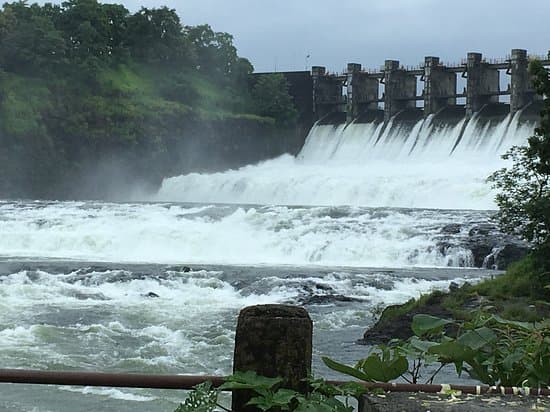
Beyond its infrastructure role, Barvi Dam has genuinely earned its reputation as one of the best monsoon getaways within reach of Mumbai. The surrounding dense forest backdrop, combined with the dam’s scenic setting, creates a genuinely different atmosphere from the city, and the area comes alive during the rainy season when the reservoir fills and the greenery around it turns vivid.
River Village Resort and other properties nearby, along with options often searched for as “Barvi Dam resort” or “Barvi Dam farmhouse,” have grown in popularity specifically because of this monsoon appeal, giving visitors places to stay overnight rather than just doing a quick day trip.
What There Is to Do at Barvi Dam
Nature and river photography rank among the most popular activities here, with the combination of water, forest, and hills offering genuinely rewarding compositions, especially during and right after monsoon. Bird photography is another common draw, and the area’s biodiversity has even attracted attention from butterfly researchers, reflecting a genuinely rich natural environment beyond just the reservoir itself.
Scenic drives and bike rides along the Badlapur-Barvi-Murbad route remain a favourite weekend activity, and picnicking or day camping with friends and family is common, given the peaceful, forested surroundings. Sitting by the water and simply enjoying the calm is genuinely one of the main reasons people make this trip, rather than expecting an activity-packed itinerary.
An Important Safety Note
This is genuinely essential to know before you visit. Swimming and entering the dam water is strictly prohibited, since this is an active drinking water source for millions of people, and safety concerns around water depth and currents apply here just as they would at any large reservoir. Visitors are encouraged to enjoy the water from the banks rather than getting in, and it’s worth respecting this rule both for personal safety and to help keep the water source uncontaminated for the communities depending on it.
Practical Tips Before You Go
Given that the area isn’t well-lit after sunset, it’s advisable to plan your visit during daylight hours rather than lingering into the evening. During monsoon specifically, carrying mosquito repellent is a genuinely sensible precaution given the surrounding forest and standing water. Visitors are also asked to respect the natural setting by avoiding littering and loud music, helping keep this spot enjoyable for everyone who comes here seeking a bit of peace.
Timings and Best Time to Visit
Barvi Dam doesn’t appear to operate under a strict, formally published visiting-hours system, though daylight hours are clearly the recommended window given the lack of lighting after dark. Monsoon season, roughly June through September, stands out as the most popular and visually rewarding time to visit, when the reservoir fills, waterfalls appear along the surrounding hills, and the entire landscape turns a deep, saturated green that’s genuinely worth the drive from Mumbai or Thane.
Frequently Asked Questions
Q1. Is swimming allowed at Barvi Dam?
No, swimming and entering the water is strictly prohibited, since this is an active drinking water source supplying millions of residents across the Mumbai Metropolitan Region. Visitors should enjoy the water from the banks rather than getting in.
Q2. How do I reach Barvi Dam from Mumbai without a private vehicle?
Take a suburban train to Badlapur Railway Station on the Central Line, then hire a rickshaw or local ST bus for the remaining 17 to 18 kilometres to the dam, with rickshaw fares typically ranging between ₹250 and ₹350.
Q3. What’s the best time of year to visit Barvi Dam?
Monsoon season, from June through September, is widely considered the best time, when the reservoir fills to its most scenic level and the surrounding forest turns a vivid green, making it a genuinely popular weekend destination during this period.
Q4. Can I stay overnight near Barvi Dam?
Yes, several resorts and farmhouses, including options like River Village Resort, operate near the dam specifically catering to visitors wanting an overnight monsoon getaway rather than a rushed day trip.