 By Sanjeev Sinha
 If you’re a Pune-based birdwatcher, there’s a good chance Veer Dam is already on your radar without you fully knowing its backstory. This isn’t just a scenic reservoir on the Nira River — it’s turned into one of Maharashtra’s genuinely important birding destinations, hosting over 170 species including migratory bar-headed geese and demoiselle cranes, all while quietly irrigating nearly 34,000 hectares across three drought-prone districts. Here’s everything worth knowing before you plan your visit.
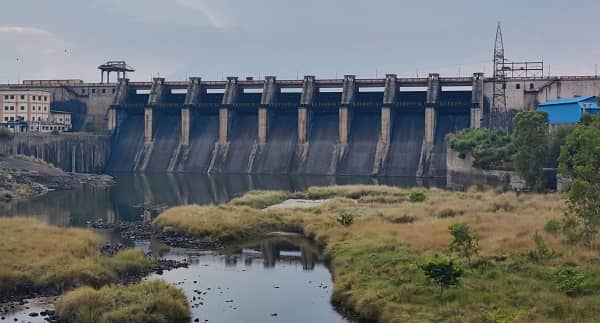
Veer Dam Quick Overview
| Detail | Information |
| River | Nira River |
| Location | Near Shirwal, Khandala taluka, Satara district (border with Pune district) |
| Distance from Pune | Around 70 km |
| Constructed | 1965–1966 |
| Dam Type | Rubble-concrete dam |
| Dam Height | 36 metres |
| Spillway Gates | 9 |
| Storage Capacity | 9.83 TMC |
| Reservoir Name | Yesaji Kank Reservoir |
| Power Generation | 9 MW hydroelectric |
| Irrigation Coverage | 33,788 hectares across Satara, Pune, Solapur districts |
| Fed By | Bhatghar Dam and Nira-Devghar Dam |
| Bird Species Recorded | Over 170 |
| Managed By | Maharashtra Krishna Valley Development Corporation (MKVDC) |
| Best Time to Visit | October to February, for birdwatching |
Where Veer Dam Is Located
Veer Dam sits near Shirwal in Khandala taluka, Satara district, right at the border shared with Pune district, roughly 70 kilometres from Pune city. State Highway 131 passes directly in front of the dam, making it a genuinely convenient stop for anyone travelling this stretch between Pune and Satara.
The surrounding villages, including Vathar, Shedgewadi, Rui, Andori, Padegaon, Khandala, Bhade, and Shirwal, depend directly on this dam for their water security, reflecting how deeply integrated this piece of infrastructure is with daily life in the region rather than being a purely standalone attraction.
The River Behind This Irrigation Lifeline
The dam is built across the Nira River, and it holds the distinction of being the largest dam on this river in Maharashtra. What makes Veer’s water supply genuinely reliable, even during dry summer months, is its position downstream of two other significant reservoirs — Bhatghar Dam, with a capacity of 24 TMC, and Nira-Devghar Dam, with 11 TMC. Water released from these upstream sources feeds into Veer, ensuring the Nira Right and Left Bank canals continue carrying water even when local rainfall alone wouldn’t be sufficient.
This layered water system is exactly why the surrounding Khandala and Phaltan talukas, historically low-rainfall regions, have been able to sustain such significant agricultural transformation over the decades.
A History Rooted in Post-Independence Water Security
Veer Dam was constructed in 1965, with its main structure completed by 1966, undertaken by the Government of Maharashtra during a period of intense focus on expanding the state’s irrigation capacity. This urgency wasn’t abstract — Maharashtra experienced its worst drought in 1972, and the broader push to secure water infrastructure across the state, including projects like Veer, was a direct response to the genuine vulnerability that dry-prone regions like Khandala taluka faced.
The reservoir itself carries a name with genuine historical weight — Yesaji Kank Reservoir, honouring a warrior from the era of Shivaji Maharaj. This naming choice reflects a broader pattern across Maharashtra’s water infrastructure, where local historical figures are commemorated through the state’s modern engineering projects.
The Genuine Agricultural Transformation This Dam Enabled
The scale of impact here is worth appreciating properly. Before the dam’s construction, irrigated land in Khandala taluka totalled just 680 hectares. By 2022, that figure had expanded to 2,669 hectares in the taluka alone, part of a broader 33,788 hectares irrigated across Satara, Pune, and Solapur districts combined. This transformation has directly benefited over 137,000 residents according to the 2011 Census, reducing vulnerability to droughts and enabling year-round farming rather than the rain-dependent cultivation that dominated this region previously.
Given the reliable water availability, sugarcane has become a particularly favoured crop among farmers in the dam’s command area, a genuinely water-intensive choice that reflects just how much confidence local agriculture now has in Veer’s consistent supply.
Modernisation and Ongoing Safety Oversight
This is genuinely current and worth knowing. Starting in 2021, the Veer Hydroelectric Project underwent significant renovation, including refurbishment of turbine runners, blades, and guide vanes with plasma coating, along with upgrades to digital governors, excitation systems, and transformer replacements. SCADA-based monitoring was also implemented for improved efficiency and reliability, with the project’s full 9 MW capacity fully recommissioned in June 2023.
Given its height exceeding 30 metres and gated spillway capacity, Veer Dam is classified as a Class-I structure under India’s Dam Safety Act, 2021, placing it under regular surveillance, inspection, and maintenance protocols overseen by the State Dam Safety Organization in Nashik. An Emergency Action Plan and Disaster Management Plan were reported as still under preparation as of 2023, reflecting an ongoing, active safety compliance process rather than a fully settled matter.
Why Veer Dam Has Become a Genuine Birding Hotspot
This is easily one of the most rewarding aspects of a Veer Dam visit for nature enthusiasts. The stretch of the Nira River here, spanning roughly 7 to 8 kilometres, is extremely rich with avifauna, hosting over 170 recorded bird species. Bar-headed geese and demoiselle cranes are particular highlights during migratory season, alongside a good variety of waders, raptors, and flycatchers throughout the year.
This has genuinely established Veer as a key birdwatching destination for the wider Pune region, drawing photographers and casual nature enthusiasts alike, particularly during the cooler months when migratory activity peaks.
What There Is to Do at Veer Dam
Beyond birdwatching, the dam’s setting along the Nira offers a genuinely peaceful spot for a scenic drive or a quiet halt if you’re travelling along SH-131. The reservoir’s surrounding landscape, framed by the low hills typical of this stretch of Maharashtra, makes for pleasant photography, particularly during early morning or late afternoon light.
Given the dam’s role as active irrigation and hydroelectric infrastructure rather than a developed tourist complex, visitors should expect a fairly understated experience focused on nature observation rather than extensive recreational facilities.
Timings and Practical Details
There isn’t a strict, formally published visiting-hours system for Veer Dam, given its primary function as working water infrastructure rather than a ticketed tourist attraction. Daylight hours remain the sensible window for both safety and the best birdwatching conditions, with early morning generally offering the most active bird sightings.
Best Time to Plan Your Visit
October through February stands out as the ideal window, coinciding with peak migratory bird activity and considerably more comfortable weather than Maharashtra’s warmer months. This period offers the best combination of pleasant temperatures for extended birdwatching and the highest likelihood of spotting species like bar-headed geese and demoiselle cranes during their seasonal visit to the region.
Frequently Asked Questions
Q: Why is Veer Dam considered a good birdwatching destination near Pune?
A: The 7 to 8 kilometre stretch of the Nira River around the dam supports over 170 recorded bird species, including migratory bar-headed geese and demoiselle cranes, making it one of the more significant birding spots accessible from Pune city.
Q: How does Veer Dam maintain water supply even during dry summer months?
A: It receives water from two upstream reservoirs, Bhatghar Dam and Nira-Devghar Dam, ensuring the Nira Right and Left Bank canals continue carrying water even when local rainfall alone would be insufficient during summer.
Q: What recent upgrades has the Veer Hydroelectric Project undergone?
A: Starting in 2021, the project underwent renovation including turbine refurbishment, digital governor upgrades, and SCADA-based monitoring implementation, with the full 9 MW capacity fully recommissioned in June 2023.
Q: Is Veer Dam a developed tourist attraction with visitor facilities?
A: Not particularly. It functions primarily as active irrigation and hydroelectric infrastructure, so visitors should expect a fairly understated experience centred on scenic views and birdwatching rather than extensive recreational amenities.