 By Sanjeev Sinha
 Ask any Rajkot local where their tap water actually comes from, and Aji Dam is almost always part of the answer. This isn’t just a pretty reservoir on the city’s outskirts — it’s genuinely called the lifeline of Rajkot, and for good reason. Beyond its water-supply role, it’s also turned into the kind of place where families spend their Sunday evenings, couples watch the sunset, and kids run around a zoo right next to a working dam. If you’re in Rajkot or planning a Saurashtra trip, here’s everything worth knowing.
Quick Overview
| Detail | Information |
| River | Aji River |
| Location | Outskirts of Rajkot city, Gujarat |
| Distance from Rajkot Junction | Around 8–10 km |
| Construction Started | 1952 |
| Completed | 1954 |
| Dam Length | Around 2,426 metres |
| Status | Rajkot’s primary drinking water source, along with Nyari Dam |
| Recent Development | Filled through SAUNI (Saurashtra Narmada Avtaran Irrigation) scheme, inaugurated June 2017 |
| Managed By | Rajkot Municipal Corporation |
| Attractions Nearby | Aji Dam Garden, Pradyuman Zoological Park, amusement park |
| Visiting Hours | Generally 6:00 AM to 6:00 PM |
| Entry Fee | Free; rides and specific activities charged separately |
| Best Time to Visit | October to February |
Where Aji Dam Is Located
Aji Dam sits on the outskirts of Rajkot, roughly 8 to 10 kilometres from Rajkot Junction, in the southwestern part of the city. The drive from central Rajkot typically takes around 15 to 20 minutes, making it an easy after-work or weekend destination rather than requiring a dedicated day trip.
Public transport options directly to the dam are limited, so most visitors rely on private vehicles, taxis, or auto-rickshaws to get there, which is generally straightforward given how close it sits to the main city.
The River Behind Rajkot’s Water Supply
The dam is built across the Aji River, one of the principal rivers of the Saurashtra region, which actually divides Rajkot city into its east and west halves as it flows through. Originating in the hilly areas of Sardhar and Hingolgadh, the Aji stretches roughly 250 kilometres before eventually reaching the Gulf of Kutch, picking up water from tributaries like the Nyari, Khokaldadi, Bhankudi, and Dondi rivers along the way.
There are actually four dams built across the Aji River system, but Aji Dam itself, positioned downstream, is the most significant of them, working alongside the nearby Nyari Dam to form the backbone of Rajkot’s water supply.
A History Rooted in Post-Independence Water Planning
Construction on Aji Dam began in 1952 and was completed by 1954, making it one of the earlier significant water infrastructure projects undertaken in independent India’s Saurashtra region. Given Gujarat’s naturally arid and water-stressed climate, securing a reliable water source for a growing city like Rajkot was genuinely essential, and this dam has fulfilled that role for seven decades now.
A more recent chapter in the dam’s story came in June 2017, when Prime Minister Narendra Modi inaugurated the filling of Aji Dam through the Saurashtra Narmada Avtaran Irrigation scheme, commonly known as SAUNI. This project channels Narmada river water into water-scarce reservoirs across Saurashtra, and Aji Dam’s inclusion in this scheme has helped bolster its water levels considerably beyond what natural rainfall alone could sustain in a region historically prone to drought.
From Utility Structure to Family Destination
What genuinely sets Aji Dam apart from a purely functional reservoir is how thoroughly it’s been developed for recreation over the decades. The Rajkot Municipal Corporation has built and maintained an extensive garden complex right at the foot of the dam, complete with an amusement park, a children’s play area, and food courts serving local Rajkot snacks like fafda and jalebi.
Adjacent to the dam sits Pradyuman Zoological Park, housing a genuine mix of indigenous and exotic wildlife, along with a crocodile park, fish house, and aviary within the broader complex. This combination of dam, garden, and zoo has effectively turned Aji Dam into a three-in-one destination, appealing to nature lovers, families with kids, and casual evening walkers all at once.
What There Is to Do at Aji Dam
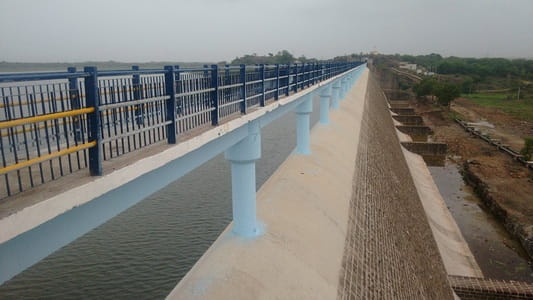
A walkway atop the dam lets visitors take a leisurely stroll while appreciating the sheer scale of the reservoir, and it’s particularly popular during cooler months when the surrounding trees and flowers bloom. Sunset here has developed a genuine following among photographers and couples, with the changing sky colours reflecting off the water creating a scene locals return to again and again.
During winter, migratory birds add another layer of interest, settling in the garden’s trees and around the reservoir, making early mornings rewarding for casual birdwatchers. Boating is occasionally available depending on water levels and management decisions, typically more reliable in the post-monsoon and winter months rather than during peak summer.
For those visiting with family, setting aside two to four hours lets you comfortably cover the dam walkway, the zoo, and the garden without feeling rushed, and weekends here do get noticeably busier, particularly around festivals like Diwali and Uttarayan.
Timings and Entry Details
Most sources place general visiting hours between 6:00 AM and 6:00 PM, though some describe the complex as open from morning until after sunset. Entry to the dam, garden, and general complex is free, with charges applying only to specific activities like amusement park rides, zoo visits, or boating.
Given the area’s popularity, especially on weekends, it’s worth planning an earlier visit if you’d prefer a quieter, less crowded experience.
Best Time to Plan Your Visit
October through February offers the most comfortable conditions for visiting, with Gujarat’s warm, humid climate giving way to drier weather and milder temperatures ranging roughly between 16 and 20 degrees Celsius. This window also coincides with the garden’s flowering season, when the trees and blooms genuinely add to the visual appeal of the entire complex. Visiting during or right after monsoon offers its own reward too, with the dam typically at a fuller, more dramatic level.
Frequently Asked Questions
Q1. Is Aji Dam suitable for a quick evening visit or does it need a full day?
It works well as a short outing, typically 30 minutes to a couple of hours if you’re just enjoying the reservoir view and garden, or up to three to four hours if you’re planning to include the zoo and amusement park as well.
Q2. Is boating always available at Aji Dam?
No, boating is seasonal and depends on current water levels and management decisions. It’s generally more reliable after monsoon and through winter, and may pause during peak summer or maintenance periods.
Q3. Why is Aji Dam sometimes connected to the Narmada river in recent news?
Since 2017, Aji Dam has been included in the SAUNI scheme, which channels Narmada river water to water-scarce reservoirs across Saurashtra, helping maintain the dam’s water levels beyond what local rainfall alone would provide.
Q4. Is Aji Dam accessible by public transport from central Rajkot?
Public transport options are limited, so most visitors rely on private vehicles, taxis, or auto-rickshaws to reach the dam, which typically takes around 15 to 20 minutes from the city centre.