 By Sanjeev Sinha
 If you’ve lived in Bhopal for any length of time, chances are your family’s Sunday drive has ended up at Kerwa Dam at least once. It’s the city’s go-to escape when the concrete starts feeling heavy — a working reservoir that quietly supplies part of Bhopal’s water and power needs, while also functioning as the capital’s favourite spot for ziplining, boating, and watching the monsoon fill an entire lake to the brim. Here’s everything worth knowing before you plan your visit.
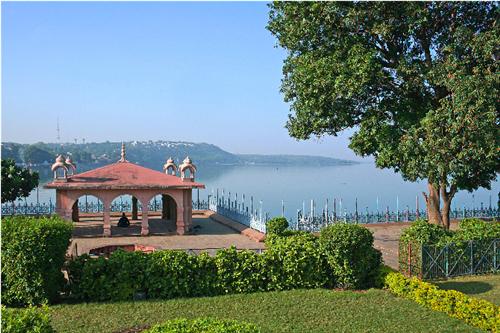
Quick Overview
| Detail | Information |
| River | Kerwa River |
| Location | Mendora village, Bhopal, Madhya Pradesh |
| Distance from Bhopal City | Around 15 km southwest |
| Nearest Airport | Raja Bhoj Airport, about 25 km away |
| Total Area (including catchment) | Around 69 sq. km |
| Primary Purpose | Drinking water supply, hydroelectric power, and eco-tourism |
| Managed By | Kerwa Eco-tourism Development Society |
| Notable Feature | 1-kilometre eco-tourism walking trail |
| Visiting Hours | Generally 8:00 AM to 7:00 PM |
| Entry Fee | Free (charges apply for activities like ziplining, around ₹540) |
| Best Time to Visit | October to March; monsoon for a full reservoir |
Where Kerwa Dam Is Located
Kerwa Dam sits at Mendora village, roughly 15 kilometres southwest of Bhopal city, making it a genuinely easy half-day escape rather than requiring extensive planning. The drive here is well connected by road, though it’s worth knowing the route tends to get crowded during weekends, evenings, and school timings, since several schools are located along the way.
Raja Bhoj Airport, about 25 kilometres away, remains the nearest air link for visitors travelling from outside Bhopal, and local taxis are readily available from the airport straight to the dam if you’re arriving that way.
The River Behind This Reservoir
The dam is built across the Kerwa River, and its resulting reservoir spans an impressive 69 square kilometres when you include the full catchment area. This scale is exactly why Kerwa has become such a significant piece of infrastructure for Bhopal, serving multiple purposes simultaneously rather than functioning as a single-use water body.
Unlike some dams built purely for one function, Kerwa genuinely balances several roles — supplying drinking water to Bhopal city, generating hydroelectric power, and increasingly, supporting a structured eco-tourism programme that’s turned the surrounding area into a genuine recreational destination.
A Dam Built With Multiple Purposes in Mind
Kerwa Dam was constructed to address Bhopal’s growing water needs as the city expanded, and its design as a multi-purpose structure reflects a genuinely practical approach to infrastructure planning. Beyond drinking water, the dam contributes to hydroelectric power generation, adding a renewable energy component to its overall utility for the region.
Over time, what started as a purely functional water reservoir gradually evolved into something considerably more. The surrounding area has been deliberately developed as an eco-tourism destination, managed by the Kerwa Eco-tourism Development Society, which oversees ground-level management and implements a nominal entry system specifically to prevent overcrowding and maintain the site properly for visitors.
Why Locals Compare It to Kaliyasot Dam
Bhopal has another well-known reservoir nearby called Kaliyasot Dam, and comparisons between the two come up frequently in local conversation. Kerwa is consistently described as the more serene, calmer option of the two, offering a genuinely peaceful natural landscape that draws both tourists and locals looking for an outing with family or friends, away from the more bustling character sometimes associated with Kaliyasot.
This reputation for tranquility is a big part of why Kerwa has become such a reliable weekend destination for Bhopal residents specifically, rather than just a stopover for out-of-town visitors passing through.
What There Is to Do at Kerwa Dam
The eco-tourism development here includes a dedicated 1-kilometre walking trail lined with trees, shrubs, and flowering plants, making it a genuinely pleasant option for a relaxed nature walk rather than just a quick photo stop. Birdwatching along this trail and around the reservoir’s edges rewards patient visitors, particularly during cooler months when a wider variety of species tend to be active.
For those seeking more adventure, Kerwa offers a genuinely solid lineup of activities including ziplining, paintball, rappelling, and river crossing, largely centred around a nearby jungle camp and adventure park. A long zipline stretching across the dam has become something of a signature attraction here, and boating on the reservoir remains a classic, family-friendly option when conditions allow.
Photography enthusiasts consistently rate sunrise and sunset here among the best in Bhopal, with the still water reflecting changing sky colours against a backdrop of greenery. During monsoon, when the reservoir fills to its brim, visitors describe the atmosphere as genuinely soothing, with the combination of cool breeze, light drizzle, and a full lake creating conditions locals actively plan trips around.
Timings and Entry Details
Most sources place general visiting hours between 8:00 AM and 7:00 PM daily. Entry to the main dam area is generally free, though individual activities like ziplining carry their own charges, with rates around ₹540 per person for the ropeway experience. Pricing and timings for specific adventure activities like paintball and river crossing tend to vary, so it’s worth confirming current rates on arrival rather than assuming a fixed cost.
Carrying a photo ID is advisable for entry, and given the site’s semi-natural setting, bringing bottled water, snacks, and sunscreen is a sensible precaution rather than relying entirely on what’s available on-site.
Practical Tips Before You Visit
Weekend and holiday traffic along the approach road can genuinely slow down your trip, so planning around off-peak hours, particularly avoiding late afternoon on Sundays, tends to make for a smoother visit. It’s also worth noting that some areas near resorts and private properties around the dam are restricted to guests only, so general visitors should stick to the public dam area and designated eco-tourism zones.
Safety near the water’s edge deserves genuine attention too, since several visitor accounts specifically caution against getting too close to the dam’s edge, given how deep and expansive the reservoir is in parts.
Best Time to Plan Your Visit
October through March offers the most comfortable weather for walking, boating, and general sightseeing, with pleasant temperatures and relatively high water levels following the monsoon season. That said, monsoon itself, roughly July through September, is when Kerwa Dam looks genuinely at its most dramatic, with the reservoir filled to capacity and the surrounding landscape turning a vivid, saturated green that many locals specifically wait for each year.
Frequently Asked Questions
Q1. Is there an entry fee to visit Kerwa Dam?
General entry to the dam area is free, though specific adventure activities like ziplining carry separate charges, typically around ₹540 per person for the ropeway experience.
Q2. What’s the best time of day to avoid crowds at Kerwa Dam?
Weekday mornings tend to be considerably quieter than weekend evenings, since the approach road and dam area get genuinely busy with local families, particularly after school hours and on Sundays.
Q3. Is boating always available at Kerwa Dam?
Boating availability can depend on current water levels and management decisions, so it’s worth confirming on arrival rather than assuming it’s guaranteed, especially if you’re visiting outside the typical October to March window.
Q4. Can I stay overnight near Kerwa Dam?
Yes, resorts like Kerwa Resort offer accommodation with views of the reservoir, though it’s worth noting that certain areas and facilities near these properties may be restricted to overnight guests rather than open to general day visitors.