 By Sanjeev Sinha
 If you work anywhere near Hinjewadi’s IT corridor, chances are a colleague has already dragged you to Kasarsai for a sunset break after a long week of deadlines. It’s become that kind of place — the go-to escape for Pune’s tech crowd, college students, and families who want greenery and quiet without driving three hours to Lonavala. What makes Kasarsai genuinely useful to know about isn’t just the view, though. It’s an active irrigation dam that also happens to double as one of Pune’s most accessible weekend getaways, open round the clock with almost no formal barriers to entry.
Here’s a complete, practical guide before you plan your trip.
Quick Overview
| Detail | Information |
| River | Kasarsai River, a tributary of the Indrayani River |
| Location | Kasarsai Village, Maval Taluka, Pune District, Maharashtra |
| Distance from Hinjewadi IT Park | Around 10–12 km |
| Distance from Pune City | Roughly 25–30 km |
| Nearest Railway Station | Pune Junction, about 35 km away |
| Nearest Airport | Pune Airport (Lohegaon), around 40 km away |
| Dam Access | Open 24 hours, no formal entry gate or ticket |
| Boating Timings | 10:00 AM to 5:30 PM (subject to water level) |
| Boating Cost | Roughly ₹50 to ₹150 per person, depending on boat type |
| Restaurant/Dhaba Timings | Around 9:00 AM to 7:00 PM |
| Primary Purpose | Irrigation and local water supply |
| Best Time to Visit | October to February; monsoon for dramatic overflow views |
| Popular Activities | Boating, fishing, birdwatching, camping, horse and camel rides |
Where Exactly Is Kasarsai Dam
Kasarsai Dam sits in Kasarsai Village, tucked into the Maval taluka of Pune district, roughly 25 to 30 kilometres from Pune city. What really puts it on the map, though, is its proximity to Hinjewadi — barely 10 to 12 kilometres away. That short distance is exactly why it’s turned into an after-work or weekend default for the thousands of professionals working in Pune’s IT hub.
The drive itself is part of the charm. Heading out via Hinjewadi Phase 3 or the Marunji road, you watch the tech-park skyline fade into open farmland and rolling hills within twenty minutes. If you’re coming from Pune city directly, routes via Wakad or the Pune-Mumbai highway connect smoothly, though the last two to three kilometres before the dam tend to narrow considerably, so a little patience helps, especially on weekend evenings when traffic backs up.
The River Behind Kasarsai
The dam is built across the Kasarsai River, a smaller tributary that eventually joins the larger Indrayani River — one of the region’s more significant waterways, known for its religious and agricultural importance across the Pune-Maharashtra belt. Some sources describe Kasarsai Dam as sitting directly on the Indrayani, but more detailed accounts clarify it’s actually the Kasarsai River itself, with the Indrayani connection coming further downstream.
Regardless of the exact naming nuance, the dam’s core function stays the same — regulating water flow for irrigation and supporting local water needs across nearby villages and farmland in Maval taluka.
A Brief Look at Its Purpose and History
Unlike some of India’s more famous dams with dramatic freedom-struggle-era backstories, Kasarsai’s history is much simpler and more functional. It was built primarily as an irrigation dam, meant to support agriculture in the surrounding villages of Maval taluka. Over the decades, as Hinjewadi transformed from farmland into one of India’s largest IT campuses, Kasarsai quietly evolved alongside it — from a purely functional water body into one of the most visited recreational spots in the wider Pune-Pimpri-Chinchwad region.
This dual identity is what makes Kasarsai interesting. It’s still doing its original job of irrigation and water regulation, but it’s simultaneously become a genuine tourism draw purely because of its location and setting.
What Makes This Spot Worth the Drive
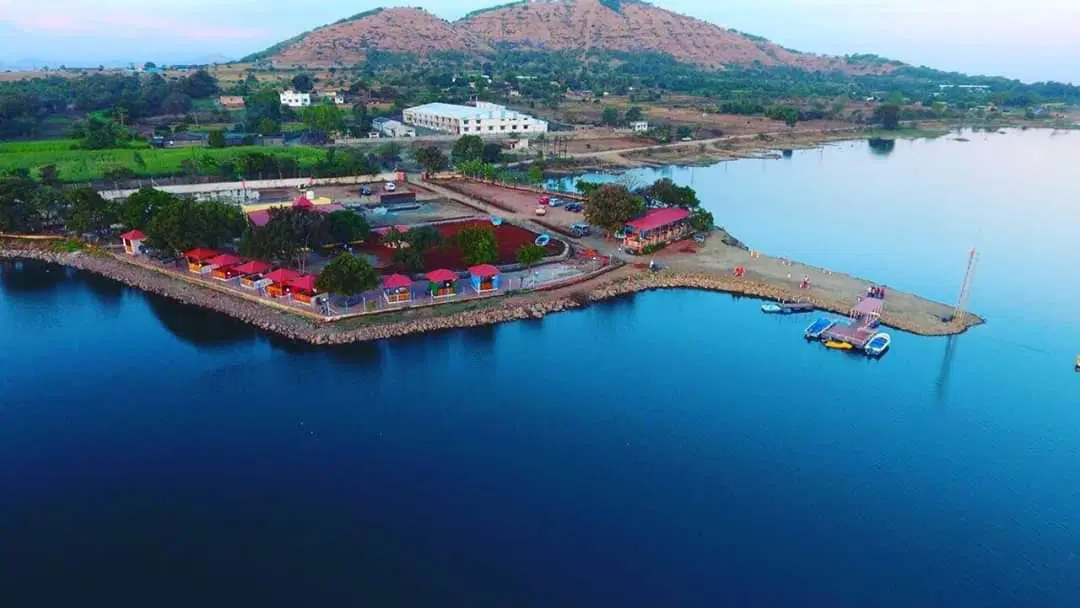
The immediate draw is the view — lush hills on one side, open farmland on the other, and calm backwaters that turn a shade of gold during sunset. Boating is the single most popular activity here, with both pedal and motorboats available through the resident boat club, priced modestly enough that it doesn’t feel like a tourist trap.
Beyond boating, fishing enthusiasts often bring their own gear to try for catfish, rohu, and mrigal in the reservoir. Birdwatchers get a genuine treat too, especially during monsoon and winter months, when kingfishers, herons, egrets, and cormorants are common sights, with occasional rare visitors like flamingos and pelicans showing up during specific seasons. For those wanting a longer stay, camping near the dam has grown in popularity, often paired with bonfires and simple outdoor meals arranged by local operators.
Small eateries and dhabas near the site keep things simple — think hot maggi, chai, and quick snacks rather than elaborate dining, which honestly fits the relaxed, no-frills vibe of the place.
Timings You Actually Need to Know
Here’s the part that surprises most first-time visitors — Kasarsai Dam doesn’t have a formal entry gate or fixed visiting hours. You can technically show up anytime, whether that’s an early sunrise visit or a late-evening stroll. That said, the activities that make the trip worthwhile do run on specific schedules.
Boating typically operates between 10:00 AM and 5:30 PM, though this can shift slightly depending on water levels, especially right after heavy monsoon rain. The on-site restaurant and dhaba generally function from around 9:00 AM to 7:00 PM, so if you’re planning food around your visit, keep that window in mind rather than showing up very early or very late expecting a hot meal.
Best Time to Plan Your Visit
Winter, from October through February, offers the most comfortable conditions — cool mornings, pleasant afternoons, and calm reservoir waters that make for excellent photography and relaxed sightseeing. Monsoon season, June through September, transforms the entire landscape into a much greener, more dramatic version of itself, with the dam often overflowing, though you should expect regular rain and should be extra cautious near the water during this period.
Evenings, particularly around sunset, remain the single most popular time to visit regardless of season, so if you prefer a quieter experience, an early morning visit is worth considering instead.
Frequently Asked Questions
Q1. Is there an entry fee to visit Kasarsai Dam?
No, there’s no formal entry gate or ticket required to access the dam area itself. You’ll only pay separately for activities like boating, camping, or horse and camel rides.
Q2. Can I visit Kasarsai Dam late at night or early morning?
Yes, the dam site itself is accessible 24 hours a day since there’s no gate restricting entry. However, activities like boating and food stalls operate only within their specific daytime hours, so plan accordingly if those are part of your visit.
Q3. Is Kasarsai Dam a good day trip option from Pune city?
Absolutely — at around 25 to 30 km from Pune and just 10 to 12 km from Hinjewadi, it works well as a half-day escape without needing an overnight stay, unless you’re specifically planning to camp.
Q4. What should I carry if I’m visiting for boating or camping?
Comfortable footwear, drinking water, and basic snacks are advisable, since eateries near the dam are limited and mainly offer quick snacks rather than full meals. If camping, carrying your own essentials is a good idea, as facilities are fairly basic.